When packing for your volunteer trip, focus on lightweight, versatile clothing suited to the climate, including modest options for conservative areas. Bring durable shoes, a sun hat, a reusable water bottle, and a rain jacket or umbrella. Don’t forget your travel documents, local currency, and any gear needed for your activities. Pack essentials that show cultural awareness and guarantee comfort. Continue exploring to discover even more tips for preparing effectively for your service adventure.
Key Takeaways
- Pack lightweight, quick-drying clothing suitable for the climate and modest enough for conservative areas.
- Include durable shoes for walking and physical work, plus versatile gear for various outreach activities.
- Bring essential travel documents, local currency, and a small translation guide for effective communication.
- Prepare cultural-appropriate accessories and attire that demonstrate respect and awareness of local customs.
- Carry practical items like a rain jacket, reusable water bottle, and a compact backpack to stay prepared and organized.

Packing for volunteer trips requires careful planning to guarantee you have everything you need without overloading your luggage. When preparing for service and outreach travel, it’s essential to consider your local travel essentials. These include items like lightweight clothing suited to the climate, a durable pair of shoes for walking or physical work, a hat or cap for sun protection, and a reusable water bottle to stay hydrated. Think about the activities you’ll be doing and pack versatile, comfortable gear that can serve multiple purposes. Don’t forget basic toiletries, a small first aid kit, and any necessary medications. Keeping your packing list streamlined ensures you won’t be weighed down by unnecessary items, allowing you to move freely and focus on your mission.
Understanding and respecting the local culture is vital for a successful volunteer experience. Incorporate cultural sensitivity tips into your packing list, such as modest clothing if you’re visiting conservative areas, or culturally appropriate accessories. Respectful attire shows your awareness of local customs and helps foster positive interactions with the community. It’s also wise to carry a small translation guide or phrasebook if language barriers exist, along with a few local currency notes for small purchases or tips. Being prepared in this way demonstrates your respect and willingness to engage meaningfully, which can open doors to deeper connections.
Respect local customs with modest clothing, translation tools, and small currency for meaningful engagement.
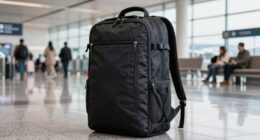
When selecting gear, prioritize practicality over style. Pack lightweight, quick-drying clothes that are easy to wash and dry overnight. Include a rain jacket or umbrella if your destination has a rainy season. A compact, multi-purpose backpack or tote can be handy for daily excursions and carrying supplies. Remember, the goal is to be prepared without bringing excessive gear; every item should serve a clear purpose. Also, consider bringing a small notebook or journal to document your experiences and reflect on your service, which can be rewarding and insightful. Additionally, understanding at-home beauty tech devices can be a useful conversation starter or a way to stay relaxed during downtime, so consider packing a small, portable skincare device if appropriate.
Finally, double-check your packing list before departure. Confirm you have your travel documents, relevant permits, and any necessary identification. By thoughtfully packing with your local travel essentials and cultural sensitivity tips in mind, you’ll be ready to focus on the meaningful work ahead, confident that you’ve prepared thoroughly without unnecessary baggage. This careful planning not only makes your trip smoother but also shows respect for the community you’re serving, setting the stage for a rewarding volunteer experience.
Frequently Asked Questions
What Essential Documents Should I Carry for Volunteer Travel?
When you’re preparing for volunteer travel, carry essential documents like your valid passport, visas, and any required permits. Don’t forget to bring travel insurance details and a list of emergency contacts, including local authorities and your embassy. Keep digital copies of these documents on your device, and carry physical copies in a waterproof folder. Staying organized guarantees you’re prepared for any unexpected situations during your trip.
How Can I Pack Sustainably for My Service Trip?
Did you know that travelers generate over 300 million tons of CO2 annually? To pack sustainably, focus on eco-friendly packing by choosing sustainable travel gear like reusable bottles, eco-friendly toiletries, and biodegradable bags. Opt for versatile clothing, pack only what you need, and avoid single-use items. This not only reduces waste but also minimizes your carbon footprint, making your service trip more environmentally responsible and impactful.
What Gear Is Necessary for Remote or Rugged Locations?
When heading to remote or rugged locations, you need essential remote area gear like durable hiking boots, a multi-tool, and a reliable headlamp. Rugged terrain equipment such as lightweight, weather-resistant clothing and a sturdy backpack are vital. Pack a first aid kit, extra batteries, and navigation tools like a compass or GPS device. Prioritize gear that’s versatile, durable, and suitable for challenging conditions to guarantee safety and efficiency on your trip.
How Do I Handle Medication and Health Supplies While Traveling?
You should keep your medication storage organized and accessible, ideally in a labeled, portable container. Pack your health kit essentials like pain relievers, bandages, antiseptic wipes, and any necessary prescriptions. Carry extra doses of critical medication in case of delays, and store everything in a cool, dry place. Always check expiration dates and keep your medications with you during travel to guarantee safety and quick access when needed.
Are There Specific Clothing Recommendations for Different Climates?
When packing for different climates, focus on clothing layering and weather-appropriate attire. You should bring lightweight, breathable fabrics for hot weather, and add insulation or waterproof layers for colder or rainy conditions. Always check the forecast and pack versatile pieces that can be combined for comfort and protection. Adjust your clothing choices to stay comfortable, dry, and prepared for unexpected weather changes during your volunteer trip.
Conclusion
As you pack your bag, remember you’re filling a vessel of hope and connection. Each item symbolizes your readiness to serve—a beacon shining through the darkness, a seed planted in kindness. Your gear becomes a bridge, linking hearts across distances. When you step onto your journey, let your prepared bag remind you that even the smallest tools can spark big change. Carry your purpose with you, and watch how your efforts blossom into lasting impact.