
Budget airlines often seem cheaper but hide extra costs like baggage fees, snacks, and entertainment charges that can add up quickly. Major airlines typically include many amenities in their higher fares, making your overall cost more predictable. If you’re looking to save upfront, a budget carrier might work, but be aware of hidden fees. To understand how to make smarter travel choices and avoid surprises, keep exploring these differences further.
Open a free Amazon Business account
Business pricing, bulk buying and tax-exempt orders.
As an affiliate, we earn on qualifying purchases.
Key Takeaways
- Budget airlines offer lower upfront fares but often charge extra for baggage, meals, and entertainment, increasing total costs.
- Major airlines typically include amenities like free checked bags, meals, and entertainment, providing a more inclusive experience.
- Additional fees on budget carriers can sometimes surpass the initial savings compared to the higher but all-inclusive prices of major airlines.
- Choosing between airline types depends on whether travelers prioritize lower initial costs or comfort and convenience.
- Understanding hidden fees and included services helps travelers make cost-effective decisions aligned with their preferences.
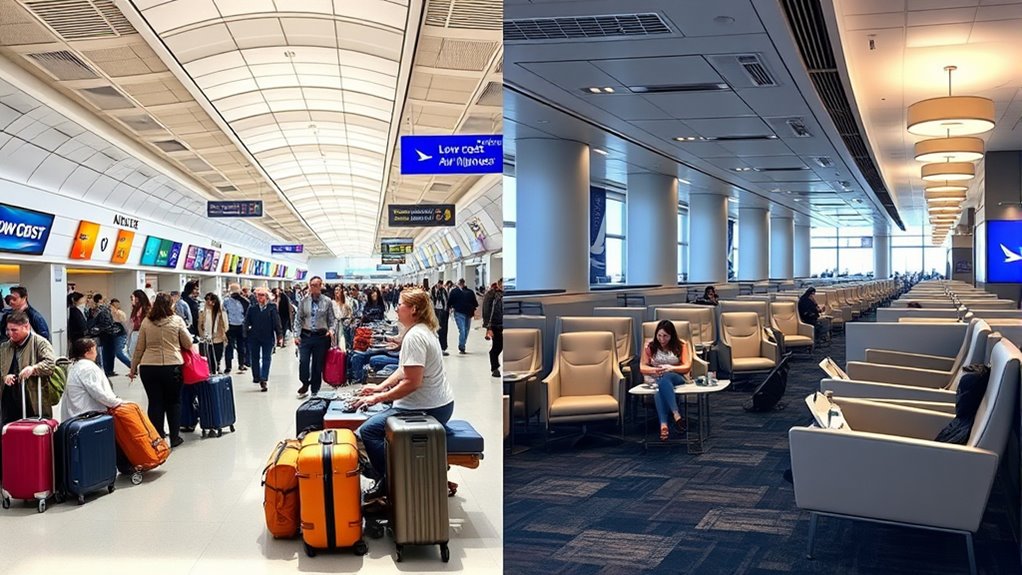
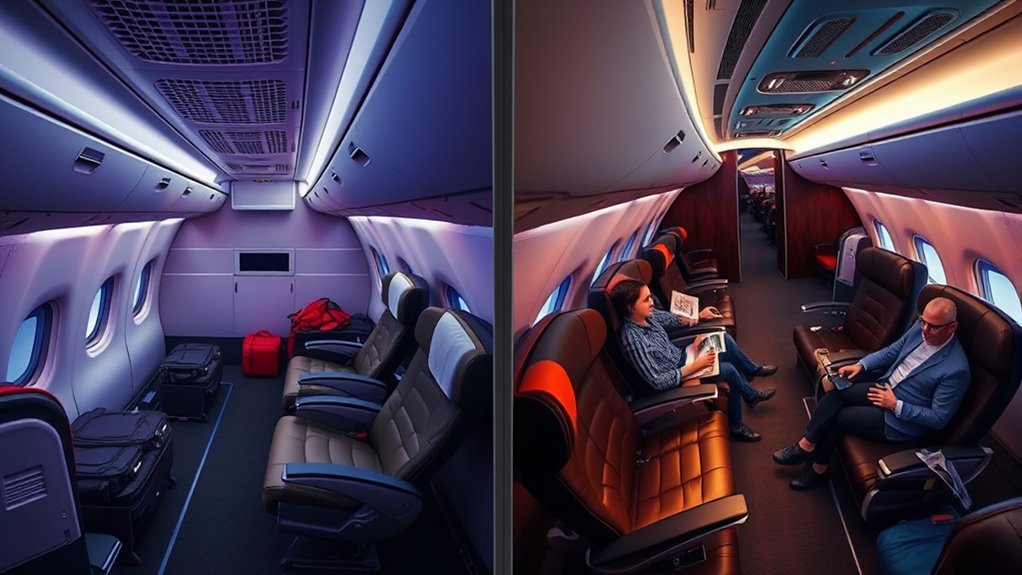
Ever wondered how budget airlines compare to major carriers? When you’re choosing between the two, it’s essential to take into account what you’ll get in terms of in-flight amenities and baggage policies. Budget airlines often strip down their services to keep ticket prices low, which means you might not find the same comforts as on major airlines. For example, in-flight amenities like free meals, entertainment, and comfortable seating are usually limited or entirely paid upgrades. On many budget carriers, snacks and drinks cost extra, and in-flight entertainment might be non-existent or require you to download an app before boarding. If you’re used to flying with larger airlines that include these amenities in the ticket price, flying budget might come as a surprise—you’re paying less upfront but could end up shelling out more if you want extra comfort during the flight. Additionally, baggage policies can vary greatly between the two, influencing your total travel costs. Baggage policies are another critical factor. Budget airlines tend to have strict and often cheaper baggage fees, but you need to be aware of their specific policies. Many budget carriers allow only a small personal item for free, such as a backpack or purse, but charge extra for checked baggage or larger carry-ons. These fees can add up quickly if you’re not careful, sometimes exceeding the cost of the ticket itself. Major airlines, on the other hand, often include at least one checked bag in the fare, making it easier to pack without worries about additional charges. Some also offer more generous baggage allowances and flexible policies, which can be a plus if you’re traveling with more luggage or need to change your plans last minute. It’s tempting to go for the cheaper ticket, but you need to weigh the total cost, including baggage fees and in-flight amenities. Budget airlines might save you money on the ticket itself, but if you end up paying extra for baggage or food, the overall expense could be comparable to or even more than flying with a major carrier. Conversely, major airlines’ upfront prices might be higher, but they often include more comforts and fewer surprises regarding baggage. Ultimately, your choice depends on your priorities—whether you’re willing to sacrifice some amenities for lower initial costs or prefer a more comfortable, all-inclusive experience. Understanding these differences helps you make smarter decisions and avoid unexpected expenses when you fly.
As an affiliate, we earn on qualifying purchases.
Frequently Asked Questions
How Do Baggage Fees Differ Between Budget and Major Airlines?
You’ll find baggage fee structures differ markedly between budget and major airlines. Budget airlines often charge for checked luggage, with fees increasing for larger luggage weight limits, making it essential to pack light or pay extra. Major airlines usually include a standard baggage allowance in your fare, but may still charge for additional or overweight luggage. Always check each airline’s baggage policies to avoid unexpected costs.
What Are the Cancellation and Refund Policies for Both Airline Types?
Cancellation and refund policies vary vastly between budget and major airlines. Budget airlines often have firm, final policies, offering limited ticket flexibility and minimal customer service support, making refunds or cancellations tricky. Major airlines usually provide more lenient policies, allowing cancellations with some fee, better ticket flexibility, and dedicated customer service. Always check the airline’s specific policies before booking, so you know what to expect if plans change unexpectedly.
Do Budget Airlines Offer In-Flight Amenities Comparable to Major Airlines?
You’ll find that budget airlines generally don’t offer in-flight entertainment or premium seating comfort like major airlines do. They focus on keeping costs low, so amenities such as in-flight movies, Wi-Fi, or spacious seats are often unavailable or require extra fees. If you prioritize in-flight comfort and entertainment, major airlines are your best bet. However, if you’re just looking for a cheap flight, you might be willing to forgo these extras.
How Do Loyalty Programs Compare Between Budget and Major Airlines?
You’ll find that loyalty programs differ considerably between budget and major airlines. Major airlines often offer extensive frequent flyer programs where you earn reward points for flights, upgrades, and partner services, making it easier to redeem for free flights or perks. Budget airlines usually have simpler or less rewarding programs, but they might still offer some incentives. With a frequent flyer, you benefit from accumulating reward points faster, especially with airline alliances.
Are There Safety Concerns Associated With Budget Airlines?
You might wonder if budget airlines compromise aviation safety, but rest assured, they adhere to strict airline regulations just like major carriers. While some worry about hidden risks, aviation safety standards guarantee all airlines meet rigorous criteria. Budget airlines operate under the same oversight, making safety concerns largely unfounded. So, your journey remains as secure as it is affordable, with regulations keeping everyone safe in the skies.
As an affiliate, we earn on qualifying purchases.
Conclusion
So, next time you book your flight, remember that the choice between budget and major airlines isn’t just about price. Sometimes, the smallest details—like baggage fees or in-flight comfort—can surprise you. It’s funny how, just when you think you’re saving, those hidden costs appear out of nowhere. Keep your eyes open, compare all the benefits, and choose what truly fits your trip. After all, the best flights often come down to the little things you least expect.
As an affiliate, we earn on qualifying purchases.
As an affiliate, we earn on qualifying purchases.
Evergreen bestsellers Picks
bestsellers
As an affiliate, we earn on qualifying purchases.