You need a voltage converter instead of just an adapter when your devices are not compatible with the local voltage, which varies worldwide (like 110V vs. 220V). Adapters only change the plug shape, not the voltage, so they won’t protect your electronics from power differences. If your device’s power specifications don’t match the destination voltage, a converter is essential to prevent damage. Discover more to stay safe and protect your devices abroad.
Listen free for 30 days with Audible
Thousands of audiobooks and originals — cancel anytime.
As an affiliate, we earn on qualifying purchases.
Key Takeaways
- Adapters only change plug shapes; converters alter voltage and current to match device requirements.
- Use a voltage converter when your device’s voltage rating differs from the local supply.
- Adapters are sufficient for devices compatible with local voltage standards; converters are not needed.
- High-power appliances like hair dryers often require a voltage converter for safe operation.
- Check device specifications to determine if a converter or just an adapter is necessary for international travel.
voltage converter for international travel
As an affiliate, we earn on qualifying purchases.
As an affiliate, we earn on qualifying purchases.
Understanding Voltage and Frequency Differences

When traveling internationally, it’s important to understand that voltage and frequency vary from country to country. These differences can affect your devices’ performance and safety. Before plugging in your electronics, check the plug compatibility to confirm your plug fits the outlets. Power ratings are also essential; some devices are designed for specific voltage levels, like 110V or 220V, and using them incorrectly can cause damage or hazards. Knowing your device’s voltage and frequency requirements helps you determine whether you need a simple adapter or a more complex voltage converter. Keep in mind that some appliances are sensitive to frequency changes, which can impact their operation. Always verify your device’s specifications to avoid mishaps and guarantee safe, reliable use abroad. Additionally, understanding electrical standards in different countries can help you select the right travel solution.
As an affiliate, we earn on qualifying purchases.
The Role of Adapters in International Travel

Adapters are essential tools for international travel because they allow your device’s plug to fit into different types of outlets around the world. Different countries have various socket types, which can prevent your devices from connecting without the proper adapter. By ensuring plug compatibility, adapters make it easy to use your electronics abroad without worrying about incompatible socket designs. They come in a variety of shapes and sizes to match specific regional outlet configurations, saving you from needing multiple devices. With the right adapter, you can confidently connect your phone, camera, or laptop to foreign sockets, ensuring continuous power during your trip. Remember, adapters only change plug shapes, so they don’t convert voltage or current—just the physical connection. Understanding voltage compatibility is crucial to prevent damage to your devices when using adapters abroad. Additionally, being aware of power standards can help you avoid potential issues with electrical compatibility.
As an affiliate, we earn on qualifying purchases.
When a Voltage Converter Is Essential

While adapters guarantee your devices can physically connect to international outlets, they don’t alter the electrical voltage or current. You need a voltage converter when your device isn’t compatible with the voltage standards of the country you’re visiting. If your device doesn’t support the local voltage, plugging it directly into the outlet could damage it or cause safety issues. A converter ensures device compatibility and protects against power surges that can harm sensitive electronics. Additionally, a converter with built-in power surge protection provides extra safety during voltage fluctuations. When using high-powered appliances like hair dryers or cameras, a voltage converter becomes essential to prevent damage and maintain proper functioning. In these cases, a converter isn’t just helpful—it’s necessary for safe, reliable operation. Proper device compatibility is crucial to avoid costly repairs or safety hazards, especially with sensitive electronics that require stable voltage levels. Understanding electrical standards can help you choose the right converter for your needs and ensure safe usage. Being aware of voltage fluctuations in some regions can further help prevent unexpected damage to your devices. For example, some vehicles with advanced electronic systems may also require voltage conversion to operate safely abroad.
high power voltage converter for hair dryer
As an affiliate, we earn on qualifying purchases.
As an affiliate, we earn on qualifying purchases.
Types of Voltage Converters and Their Uses
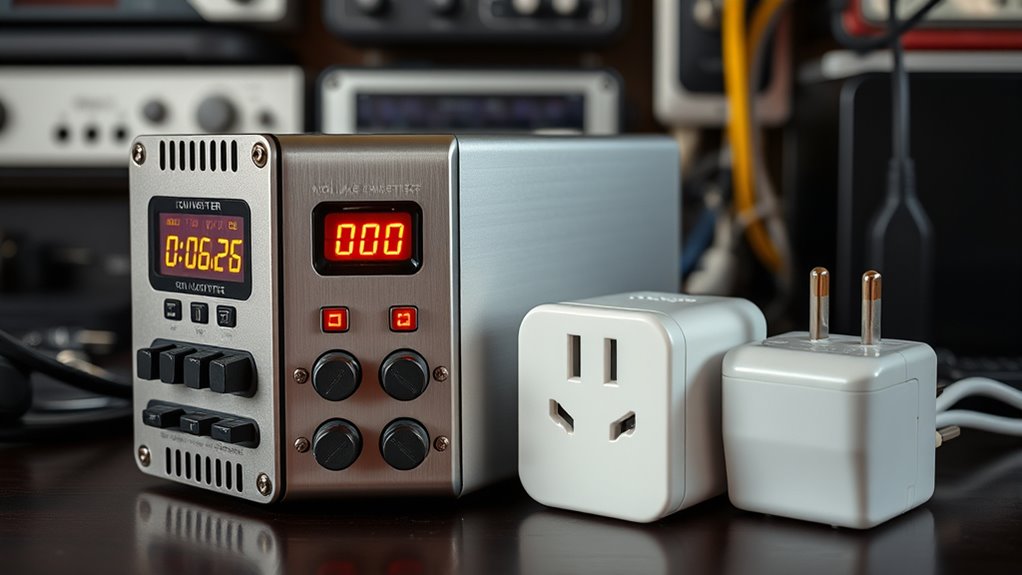
There are several types of voltage converters designed to meet different needs, each suited for specific devices and situations. Step-up converters increase voltage, ideal for using US devices in countries with 220V power. Step-down converters decrease voltage, perfect for bringing foreign appliances to your country’s standard. Some converters include automatic voltage regulation, offering safer operation for sensitive electronics like laptops and cameras. When choosing, consider the power ratings—higher wattage devices need more robust converters to avoid damage. Additionally, plug types matter: some converters come with interchangeable plugs to match different outlets worldwide. Understanding these variations helps you select the right converter for your device, ensuring safe and efficient operation during your travels or international projects. Voltage compatibility is a key factor to prevent damage and ensure proper functioning of your electronics. Being aware of electrical standards can further help you avoid potential issues related to differing voltage and frequency requirements. Proper knowledge of power ratings ensures that you select a converter capable of handling your device’s energy needs without risking overloads.
Practical Tips for Safe Device Usage Abroad

Using the right voltage converter is key to protecting your devices, but even with the proper equipment, practicing safe usage abroad is essential. First, always check the plug types at your destination and bring the correct plug adapters to fit sockets securely. Avoid forcing incompatible plugs, which can damage outlets and your device’s power cords. Inspect your power cords for frays or damage before plugging in, and never overload outlets or extension cords. Keep your devices away from water and high humidity environments. Use surge protectors when possible to guard against voltage spikes. Remember, proper handling of plug types and power cords not only ensures safety but also prolongs your device’s lifespan. Staying cautious helps you enjoy your trip without risking electrical mishaps.
Frequently Asked Questions
Can I Use a Universal Adapter Without a Voltage Converter?
Yes, you can use a universal adapter without a voltage converter if your device is compatible with the local voltage. Check the device’s voltage range and make sure it matches the country’s voltage to prevent damage. Safety considerations are vital; using a converter is necessary for incompatible voltages. Always verify device compatibility and voltage requirements to avoid risks. When in doubt, use a voltage converter to guarantee safe operation.
How Do I Determine if My Device Is Dual Voltage?
Imagine a device that’s a chameleon, blending perfectly with different power environments—that’s what dual voltage means. To determine if your device is dual voltage, check the power compatibility on its label or device specifications. Look for phrases like “100-240V” or “worldwide voltage.” If you see this, you can use it in multiple countries without a converter. If not, you might need a converter for safe operation.
What Are the Risks of Using the Wrong Voltage Converter?
Using the wrong voltage converter can cause serious safety hazards, like electrical fires or device damage. If your converter isn’t compatible with your device, it might overheat or fail, risking safety and costly repairs. Always check your device’s voltage requirements and confirm the converter matches these specifications. Ignoring compatibility can compromise safety and damage your device, so choose the right converter carefully to keep both safe and functioning properly.
Can a Converter Damage Modern Electronic Devices?
A stitch in time saves nine, and using the wrong converter can indeed damage your modern electronic devices. If the converter isn’t compatible with your device‘s voltage and wattage, it risks causing electrical faults, compromising electronic compatibility, and endangering device safety. Always make certain you select the right converter, matching your device’s specifications, to prevent damage and keep your electronics functioning smoothly.
Are There Any Portable Voltage Converters Suitable for Travel?
Yes, there are travel-friendly converters available that are perfect for your trips. Look for compact voltage solutions that easily fit into your luggage without adding bulk. These portable voltage converters are designed for convenience, allowing you to safely use your devices abroad. Make sure to choose one compatible with your device’s wattage and voltage requirements, so you can enjoy your travels without worrying about electrical issues.
Conclusion
So, next time you blindly plug in your device abroad, remember—your shiny new converter might just be the hero or the villain in your travel story. It’s the tiny gatekeeper that keeps your gadgets alive or turns them into modern art sculptures. Think of it as the unsung guardian of your electronic dreams—until, of course, it doesn’t. Because, in the end, a little caution now saves you from a fiery device or a very awkward silence.
Fall Picks
fall essentials
As an affiliate, we earn on qualifying purchases.