
If you’re serious about capturing stunning travel photos, a dedicated camera offers better image quality, especially in low light, thanks to larger sensors and advanced lenses. It also provides more control over settings like focus, exposure, and zoom, giving you creative flexibility. While smartphones are portable and convenient, they often fall short in challenging lighting or zoom details. Want to discover which option suits your adventures best? Keep exploring to find out more.
Listen free for 30 days with Audible
Thousands of audiobooks and originals — cancel anytime.
As an affiliate, we earn on qualifying purchases.
Key Takeaways
- Smartphones are portable and convenient for spontaneous travel shots but often lack the image quality of dedicated cameras.
- Dedicated cameras excel in low-light conditions, offering sharper, clearer photos in challenging environments.
- Optical zoom in cameras provides better detail at distance, unlike digital zoom on smartphones which reduces quality.
- Advanced manual controls in dedicated cameras allow for creative flexibility and professional-level image customization.
- For casual travel photography, smartphones are sufficient; for high-quality, versatile images, a dedicated camera is recommended.
Image Quality and Resolution

When comparing image quality and resolution, dedicated cameras typically outperform smartphones due to their larger sensors and advanced lens systems. This advantage translates into sharper, more detailed photos, especially when capturing fine textures and distant subjects. Lens versatility plays a vital role here; dedicated cameras offer interchangeable lenses, allowing you to adapt to various scenes, from wide landscapes to close-up portraits. Additionally, autofocus speed on dedicated cameras is often faster and more accurate, ensuring you don’t miss spontaneous moments. These features combined give you greater control over your images, resulting in higher quality and resolution. Furthermore, the specialized sensors in dedicated cameras are designed to perform better in various lighting conditions, providing clearer images with less noise. While smartphones have improved considerably, their fixed lenses and limited autofocus speed still can’t fully match the capabilities of a dedicated camera in producing crisp, professional-level photos. For travelers seeking professional-level photos, investing in a dedicated camera can make a significant difference in capturing the true essence of their adventures. Moreover, dedicated cameras often include manual controls, empowering photographers to fine-tune settings for optimal results in different environments. Additionally, the ability to shoot in raw format allows for more extensive post-processing, further enhancing image quality. As technology advances, dedicated cameras continue to incorporate innovative features like AI-driven autofocus, providing even better performance in challenging scenarios.
Low-Light Performance

When shooting in low light, sensor sensitivity becomes critical for capturing clear images without too much grain. Noise reduction techniques help improve image quality but can sometimes soften details. Understanding how cameras and smartphones handle these factors can help you choose the best device for night photography. Additionally, advancements in AI-powered automation are enabling more sophisticated image processing, resulting in better low-light performance. Recognizing the technological impact on these features allows photographers to better leverage device capabilities for optimal results.
Sensor Sensitivity
Sensor sensitivity plays a crucial role in low-light performance, and cameras generally excel in this area because of their larger sensors and advanced processing capabilities. Higher sensor sensitivity allows your camera to capture more light, resulting in better image quality in dark environments. This is especially important when trying to avoid grainy images in low-light conditions. Different camera types offer varying levels of sensor sensitivity, impacting your ability to shoot in low light. Here’s a quick comparison:
| Camera Type | Sensor Sensitivity | Image Quality in Low Light |
|---|---|---|
| Smartphone | Moderate | Good but limited |
| Compact Camera | High | Excellent |
| DSLR | Very high | Superior |
| Mirrorless | High | Very good |
| Professional | Extremely high | Outstanding |
Choosing the right camera depends on your low-light needs and how much you prioritize image quality. Additionally, the sensor size significantly influences overall low-light performance and image clarity.
Noise Reduction
Ever notice how some low-light photos turn out grainy or blurry? That’s often due to noise, which becomes more apparent when your camera struggles to balance exposure. A real camera with advanced noise reduction capabilities can help by processing images to minimize grain without sacrificing detail. Lens versatility also plays a role; a good camera offers options to switch lenses, helping you adapt to different lighting conditions. Faster autofocus speed means you can capture fleeting moments without delay, reducing the chances of blurry shots. Smartphone noise reduction has improved but still lags behind dedicated cameras in challenging lighting. If you want crisp, clear low-light photos, investing in a camera with superior noise reduction and quick autofocus can make a noticeable difference. Additionally, understanding IRA tax laws in different states can help optimize your financial planning, ensuring your savings grow efficiently without unexpected tax burdens. Incorporating advanced cybersecurity measures into your gear can also protect your valuable travel photos from digital threats. Moreover, choosing a camera with good sensor quality can significantly improve low-light performance and overall image clarity.
Zoom Capabilities
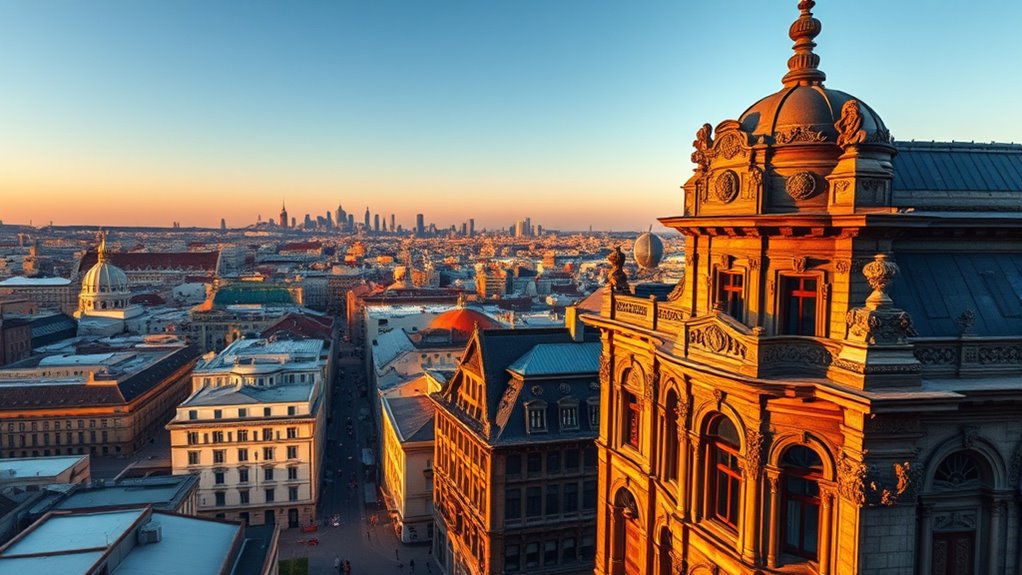
While smartphones have made significant advances in zoom capabilities, they still face limitations compared to dedicated cameras. Smartphone zooms are often digital, which can reduce image quality at higher magnifications. Dedicated cameras, on the other hand, offer optical zoom, providing sharper, clearer images when zoomed in. With a real camera, you also gain tripod compatibility, allowing steady shots at high zoom levels without shake. Lens versatility plays a big role, too—you can swap out lenses for different focal lengths, enhancing your zoom options and overall image quality. This flexibility guarantees you can capture distant subjects with detail and clarity that smartphones struggle to match, especially in challenging lighting or when maximum zoom is necessary. Additionally, total‑cost clarity and maintenance considerations can influence whether a dedicated camera or smartphone best suits your travel photography needs. Moreover, the availability of specialized zoom lenses can significantly expand your creative possibilities beyond what a smartphone can offer. For example, using interchangeable lenses allows for customized zoom ranges tailored to specific shooting scenarios. Furthermore, sensor size plays a crucial role in image quality, especially at high zoom levels, enabling better light capture and reduced noise.
Size, Weight, and Portability

You’ll notice that smartphones are much more compact and lightweight than dedicated cameras, making them easy to carry everywhere. This portability means you can grab your device quickly without bulk or fuss. When it comes to convenience, smartphones have the clear edge for everyday use. Additionally, Hyundai Tuning techniques demonstrate how optimizing equipment can improve overall performance, similar to how enhancing your camera setup can elevate travel photos. Understanding the security considerations involved in digital photography can help protect your images and personal data while traveling. Moreover, considering electric bike costs can inform how you budget for travel gear and accessories, ensuring a balance between quality and affordability. Incorporating personal growth strategies like mindful photography can also enhance your travel experience and capture more meaningful moments. Furthermore, optimizing your remote work setup can enable you to edit and share travel photos on the go, making your experience more connected and productive.
Compactness and Bulk
When comparing cameras and smartphones, size and weight play a crucial role in their practicality and ease of use. A smartphone’s compact design means you can carry it effortlessly everywhere, fitting easily in your pocket or bag. Cameras, however, tend to be bulkier, which can be a hassle during travel. Consider these points:
- Lens versatility: Cameras often have larger lenses, but their bulk can limit quick access. The wave and wind environment of beaches can also impact camera equipment, making portability even more important.
- Autofocus speed: Cameras may offer faster autofocus, but their size makes quick handling more difficult.
- Portability: Smartphones excel in portability, making spontaneous shots easier without extra gear.
- Specialized features: Cameras often include advanced technology that can enhance image quality in various conditions. Additionally, some cameras incorporate manual controls that allow for precise adjustments tailored to different scenes, which smartphones typically lack.
Ultimately, if you prioritize lightweight convenience, a smartphone’s compactness beats a camera’s bulk. But if you need advanced lens options and faster autofocus, a camera’s size may be justified.
Carrying Convenience
The size and weight of a camera or smartphone directly impact how easily you can carry them throughout the day. A compact smartphone slips effortlessly into your pocket or bag, offering unmatched portability and convenience. Its lightweight design means you can capture spontaneous moments without hassle. On the other hand, a camera, especially a larger model, adds bulk, which can be cumbersome during long excursions. However, many cameras boast an aesthetic appeal and build quality that reflect brand prestige, making them feel premium and stylish. While a smartphone prioritizes ease of carry, a camera’s size and weight might require you to plan ahead. Additionally, considering camera ergonomics can help determine what feels most comfortable during extended use. The design and build quality of a camera can also influence your overall experience and satisfaction. Moreover, selecting a camera with portability features can help bridge the gap between convenience and image quality. For travelers, precious metals investment considerations can influence gear choices, as some opt for more durable and reliable equipment to safeguard their assets on the go. Ultimately, your choice depends on balancing portability with the desire for higher image quality and the visual appeal that a dedicated camera can provide.
Manual Controls and Creative Flexibility

Manual controls give you the power to fine-tune your camera settings, revealing a level of creative flexibility that smartphones often can’t match. With a dedicated camera, you can adjust settings like shutter speed, ISO, and aperture to craft the perfect shot. This control extends to lens versatility, allowing you to switch lenses for different scenarios, from wide landscapes to detailed close-ups. Manual focus lets you precisely select your focus point, ensuring sharp images even in tricky lighting conditions. Whether you’re capturing fast-moving subjects or aiming for artistic depth of field, these features enhance your creative options.
- Switch between wide-angle and telephoto lenses for varied perspectives
- Precisely control focus to sharpen specific subjects
- Adjust exposure settings for perfect lighting in any environment
Battery Life and Storage Options
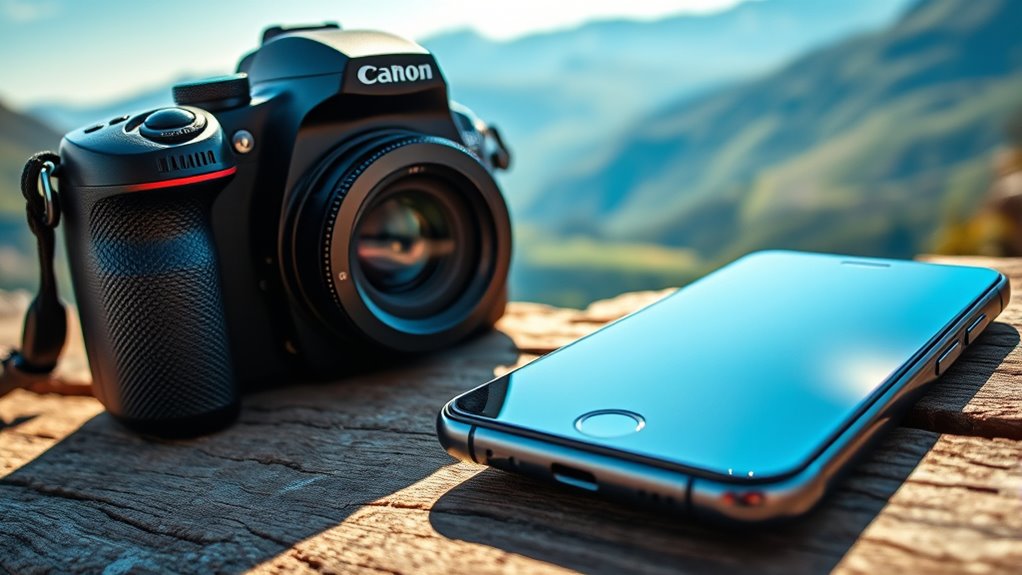
While manual controls unlock your creative potential, addressing practical aspects like battery life and storage options is equally important for capturing and preserving your images. A camera often offers better battery longevity, meaning you can shoot longer without worrying about running out of power. Smartphone batteries tend to drain faster, especially during extended shoots or video recording. Storage capacity is another key factor; cameras typically support larger, removable memory cards, giving you more space for high-resolution photos and videos. With a smartphone, you’re limited to internal storage or cloud backups, which can fill up quickly. Ensuring you have enough storage and a reliable power source is vital when traveling, so consider your needs and plan accordingly to avoid missing out on those perfect shots.
Ease of Use and Convenience

Smartphones are generally more user-friendly and convenient than traditional cameras, especially for everyday photography. With instant access to features like quick photo editing and seamless social sharing, you can capture and share moments effortlessly. No need to carry extra equipment or learn complex settings—just point, shoot, and go. Plus, smartphones automatically organize your photos, making it easy to find and revisit memories later. They also offer intuitive interfaces that simplify photo adjustments, so you don’t have to be a pro to enhance your images.
Smartphones make capturing, editing, and sharing photos effortless with intuitive features and automatic organization.
- Instantly edit photos on your device
- Share your shots directly to social media
- Quickly access and organize your photo gallery
Cost and Long-Term Investment
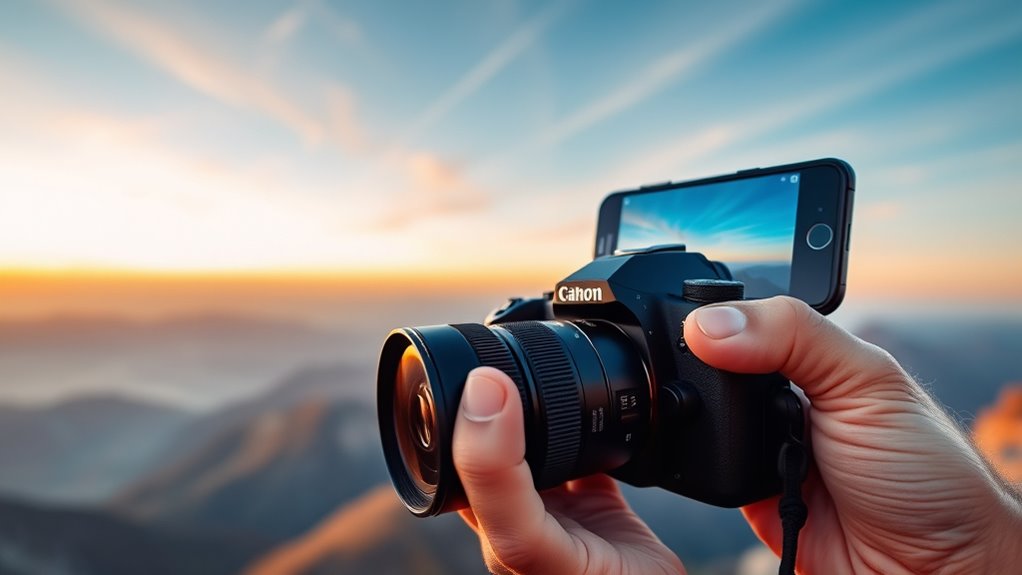
Although smartphones are more affordable upfront, investing in a dedicated camera can be a better long-term choice if you prioritize image quality and versatility. A higher-quality camera often offers superior lens options, sensors, and durability, making it a worthwhile investment. When choosing a camera, consider the brand reputation, as trusted brands typically provide reliable performance and better resale value. Warranty coverage is also essential; it can save you money and hassle if repairs are needed down the line. While the initial cost may be higher, a quality camera can last for years, reducing the need for frequent upgrades. Over time, the improved durability, performance, and support make a dedicated camera a smarter financial decision for serious travelers and photography enthusiasts.
Frequently Asked Questions
How Do Camera and Smartphone Photos Compare in Video Recording Quality?
You’ll find that camera and smartphone videos differ mainly in video stabilization and audio quality. Cameras often provide better stabilization, resulting in smoother footage, while smartphones excel in capturing clearer audio thanks to built-in microphones. Smartphones are more convenient and versatile for quick shots, but dedicated cameras can deliver superior quality, especially in challenging lighting conditions or when you want professional-grade results. Choose based on your priorities for travel videos.
Can Smartphone Cameras Be Upgraded With Accessories for Better Photos?
Yes, you can upgrade your smartphone camera with lens accessories to enhance your photos. These add-ons act like a magnifying glass, bringing new perspectives to your shots. Pair them with photo editing apps to fine-tune your images and make them pop. With these tools, your smartphone can become a powerful photography companion, capturing stunning travel moments without the need for a bulky camera.
Are Dedicated Cameras More Durable Than Smartphones in Extreme Weather?
Dedicated cameras generally offer better weather resistance and rugged durability than smartphones, making them ideal for extreme weather conditions. You can find models with sealed bodies, weatherproofing, and sturdy build quality that shield against rain, dust, and cold. This means you can focus on capturing moments without worrying about your gear failing. If you’re exploring harsh environments, investing in a durable camera ensures your photos turn out great, no matter the weather.
How Does Editing Flexibility Differ Between Camera Images and Smartphone Photos?
Imagine fine-tuning a masterpiece or quickly enhancing a snapshot — that’s the difference in editing flexibility. Camera images often offer higher resolution, giving you more detail to work with in advanced photo editing software and post-processing options. Smartphone photos are convenient but limited in raw quality. With a camera, you get more control and better results after editing, making your travel photos truly stand out.
Which Device Offers Better Privacy and Data Security for Travel Photos?
You’ll find that smartphones often offer better privacy and data security for travel photos through built-in features like data encryption and secure cloud storage options. These tools protect your images from unauthorized access and make backups easy. Cameras lack integrated security, so you’ll need to manually encrypt photos and choose secure storage solutions. Overall, smartphones give you more seamless control over privacy, especially with encryption and cloud services, during your travels.
Conclusion
Choosing between a camera and a smartphone is like picking between a trusted compass and a GPS—the right tool depends on your journey. If you crave flexibility and higher quality, a dedicated camera is your steady map. But if convenience and instant sharing matter most, your smartphone is the quick shortcut. Ultimately, it’s about matching your travel style. Both can help you capture life’s moments—just pick the one that best guides your creative adventure.
Flea & tick season Picks
flea and tick prevention
As an affiliate, we earn on qualifying purchases.