Choosing between hard, soft, and hybrid luggage depends on your travel needs. Hard cases offer great protection for fragile items but can be heavier and less flexible. Soft luggage is lightweight, flexible, and easy to access, ideal for casual trips. Hybrid options combine both features for balanced durability and weight. Consider your typical travel environment, packing style, and airline restrictions to make the best choice—exploring further will help you find the perfect fit.
Key Takeaways
- Consider durability needs: hard luggage offers better protection for fragile items, while soft luggage is more flexible and lightweight.
- Evaluate weight restrictions: soft and hybrid luggage are generally lighter, helping you stay within airline weight limits.
- Assess storage flexibility: soft and hybrid options provide external pockets and expansion for easier access and increased capacity.
- Match luggage type to travel conditions: hard cases suit rough handling and fragile items; soft and hybrid are better for casual, flexible packing.
- Balance personal priorities: choose hard for maximum protection, soft for lightweight convenience, or hybrid for a versatile compromise.

Are you wondering which luggage type best suits your travel needs? Choosing between hard, soft, and hybrid luggage depends on several factors, including durability considerations and weight restrictions. Each type offers unique benefits and drawbacks, so understanding these aspects can help you make the right choice for your trips.
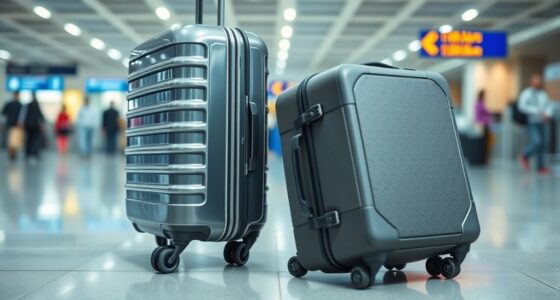
Hard luggage, often made from polycarbonate, ABS, or aluminum, provides excellent durability considerations. It’s designed to withstand rough handling, making it ideal for protecting fragile items. If you tend to travel frequently or fly with fragile equipment, hard-sided suitcases can offer peace of mind. However, they tend to be heavier than soft options, which can be a concern if you’re trying to meet strict weight restrictions imposed by airlines. The added weight can eat into your allowable baggage limit, so it’s essential to weigh whether the protective benefits outweigh the extra pounds.
Hard luggage offers excellent durability for fragile items but tends to be heavier, impacting weight restrictions.
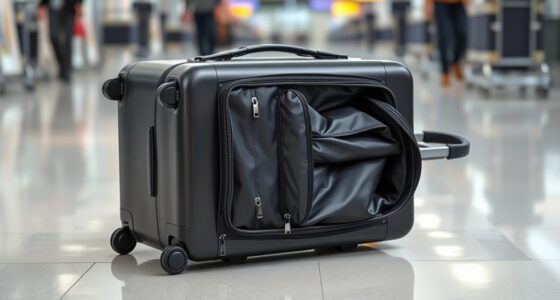
Soft luggage, on the other hand, is typically crafted from fabrics like nylon, polyester, or ballistic cloth. It’s often lighter than hard-sided counterparts, which helps when you’re trying to stay within weight restrictions. Soft luggage also tends to be more flexible, allowing you to squeeze in additional items or fit into tight storage spaces. Its exterior often features external pockets, making it easier to access travel essentials quickly. Additionally, soft luggage may offer more opportunities for customization and expansion. However, durability considerations come into play here; fabric bags may not be as resistant to impacts or rough handling. They can also be more susceptible to tears or wear over time, especially if you frequently travel in rugged environments.
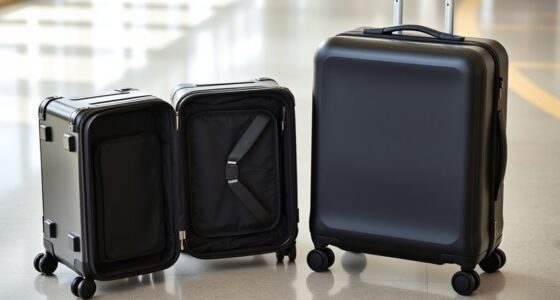
Hybrid luggage combines elements of both hard and soft designs. It usually features a hard shell in the main compartment for protection while incorporating soft, flexible materials in other areas for added convenience. This type can offer a balanced approach, providing durability considerations for the most vulnerable parts of your belongings while keeping weight restrictions manageable. Hybrids often have reinforced corners and protective features, making them suitable for travelers who want a sturdy yet lightweight option.
Ultimately, your choice will depend on your travel style and priorities. If you prioritize maximum protection and durability considerations, a hard case might be best—even if it means slightly exceeding weight restrictions. If reducing weight and having flexible packing options are more important, soft luggage could be the way to go. And if you’re looking for a versatile solution that offers a bit of both worlds, a hybrid might serve you well. Take time to evaluate your typical travel conditions, airline weight restrictions, and personal preferences before making a decision. Considering the impact of materials used on durability and weight can help inform your choice.
Frequently Asked Questions
Which Suitcase Type Is Best for International Travel?
For international travel, a hard or hybrid suitcase with expandability options is your best choice. It protects your belongings and offers flexibility for souvenirs or extra items. Decide between a carry-on or checked size based on your trip duration and airline restrictions. Hard suitcases are durable, while soft ones are lightweight and easier to squeeze into tight spaces. Choose what suits your travel style and packing needs best.
Are Hybrid Suitcases More Durable Than Hard or Soft Cases?
Hybrid suitcases generally offer a better durability comparison than soft or hard cases because they combine the best of both worlds. Their material resilience varies depending on the construction, but they tend to be more resistant to impacts and wear over time. You’ll find that hybrid cases often withstand rough handling better, making them a smart choice if you want a balance of flexibility and durability during your travels.
How Do Luggage Weights Compare Among Different Types?
Think of your luggage as a weighty dance partner—different types move differently. Hard suitcases tend to be lighter, helping with weight restrictions, while soft and hybrid cases may be heavier due to materials and added features. When considering weight differences, soft and hybrid luggage often offer better packing efficiency, but weight varies based on design. Choose wisely to balance durability, capacity, and ease of handling for your travels.
Can Soft Luggage Be Secured With Lock Systems Effectively?
Yes, soft luggage can be secured with lock systems effectively, especially when it features built-in security features like lockable zippers or integrated TSA-approved locks. These security features help prevent theft and unauthorized access, giving you peace of mind during travel. Just make certain the locks are sturdy and compatible with your luggage to maximize theft prevention. Properly securing your soft luggage allows you to protect your belongings without sacrificing convenience.
What Maintenance Is Required for Each Luggage Type?
You should regularly check zippers for smooth operation and lubricate them to prevent sticking, especially on soft and hybrid luggage. Fabric cleaning involves spot cleaning or gentle washing to keep soft luggage looking fresh, while hard luggage needs occasional wipe-down with a damp cloth to remove dirt. While soft luggage requires attention to fabric care, hard cases mainly need hardware checks, making maintenance straightforward for both types.
Conclusion
Choosing the right luggage is like selecting a trusted companion for your journeys—each type symbolizing a different adventure. Hard shells stand for resilience, soft bags embody flexibility, and hybrids combine both strengths. Think of your suitcase as a vessel carrying your stories; pick one that mirrors your travel spirit. Ultimately, your choice shapes your experience, turning every trip into a chapter worth remembering. So, find the one that feels like part of your story, and let your travels unfold effortlessly.