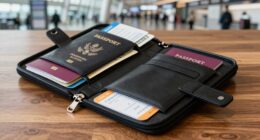
When choosing between ATMs and currency exchange counters abroad, opt for ATMs to save on fees and get better rates, but stay cautious of potential charges and use secure, well-lit machines. Currency exchanges can be convenient but may have hidden fees and less favorable rates, plus security risks. Balancing convenience, security, and costs is key—if you want to discover smart strategies for cash access on your trip, keep exploring these options carefully.
Key Takeaways
- Use ATMs in secure, well-lit locations to minimize fees and security risks when withdrawing cash abroad.
- Compare total costs, including exchange rates and fees, between ATMs and currency exchange counters before choosing.
- Be aware that currency exchange booths may have limited hours, longer lines, and hidden fees impacting overall cost.
- Notify your bank of travel plans to prevent fraud alerts and ensure smooth ATM access abroad.
- Prioritize security by shielding PIN entry, checking ATM chip technology, and avoiding suspicious or untrusted exchange providers.

When you’re traveling abroad, deciding whether to use ATMs or currency exchange services can considerably impact your budget and convenience. Understanding the differences in fees comparison and security concerns helps you make smarter choices that save money and keep your funds safe. ATMs often seem straightforward, but fees can add up quickly if you’re not careful. Many banks charge withdrawal fees, and your home bank might impose a foreign transaction fee. Some ATMs also levy their own surcharge, so it’s essential to know which machines are cost-effective. In contrast, currency exchange counters might promise better rates but often include hidden fees or less favorable rates that diminish your dollars’ value. Comparing the total costs of each option helps you avoid surprises and choose the most affordable method.
Compare ATM fees and currency exchange rates to save money and stay secure while traveling abroad.
Security concerns play a significant role in your decision. Using ATMs in well-lit, secure locations—like bank branches or major shopping centers—reduces the risk of card skimming or theft. Always shield your PIN when entering it and be cautious of anyone nearby. On the other hand, currency exchange booths, especially those in tourist-heavy areas, can sometimes be targets for scam artists or might provide counterfeit bills. While some exchange services are reliable, others might not be, so researching reputable providers beforehand is a good idea. If you opt for an ATM, ensure your card has chip technology for added security, and notify your bank of your travel plans to prevent fraud alerts or account freezes. When exchanging money at a physical counter, check the rates and ask about any fees upfront, so you’re aware of the actual amount you’ll receive.
Another factor to contemplate is convenience. ATMs are typically more accessible, especially in urban areas or at airports, allowing you to withdraw cash whenever needed. This flexibility often makes ATMs the preferred choice for many travelers. Currency exchange services, however, might be limited in location and hours, forcing you to plan ahead. While exchange booths can sometimes offer better initial rates, they may also have longer lines or require you to carry large amounts of cash, which could be risky. Additionally, some Gold IRA markets provide information on secure and reliable options for precious metals investments, which highlights the importance of choosing trusted providers. Weighing these aspects against fees comparison and security concerns lets you decide based on your comfort level and travel plans.
Ultimately, being informed about the costs and risks associated with both options helps you get cash abroad smartly. By choosing the right method—whether withdrawing from ATMs in secure locations or exchanging money at trusted counters—you can make your money go further and enjoy your trip with peace of mind.
best travel ATM card with low fees
As an affiliate, we earn on qualifying purchases.
As an affiliate, we earn on qualifying purchases.
Frequently Asked Questions
Are There International Fees for Using ATMS Abroad?
Yes, there are international ATM fees when you use ATMs abroad. You might encounter foreign transaction charges, which are fees for currency conversion or using a foreign network. These fees vary depending on your bank or card provider. To save, check if your bank offers fee-free international ATM withdrawals or consider using a travel-friendly card. Always review your bank’s policies before traveling to avoid unexpected charges.
Which Method Offers Better Exchange Rate Margins?
Think of exchange rate margins as a tightrope walk—you want to stay balanced. Typically, ATMs offer better exchange rate margins than currency exchanges, especially if you avoid dynamic rates and watch out for hidden fees. With ATMs, you’re more likely to get closer to the real market rate, whereas currency exchanges often add extra charges. So, withdrawing cash from an ATM usually saves you money and keeps your budget on steady footing.
Can I Withdraw Multiple Currencies From a Single ATM?
You can’t usually withdraw multiple currencies from a single ATM because most are only compatible with one currency at a time. To access multi-currency options, look for ATMs that support multi currency transactions or are compatible with your bank’s multi currency cards. Always check the ATM’s compatibility beforehand to avoid unnecessary fees or failed transactions. This way, you can efficiently manage your cash needs abroad without multiple visits.
How Secure Are Currency Exchange Counters?
Currency exchange counters can be reasonably secure, but you should stay alert to counterfeit risks and physical security issues. Always choose reputable counters, watch for counterfeit bills, and keep your money close. Be cautious of suspicious behavior and avoid exchanging large sums in poorly lit or crowded areas. By staying vigilant, you reduce risks and protect your cash while ensuring a safer exchange experience abroad.
Do ATMS Accept Foreign Cards Without Extra Charges?
Like a key opening new doors, your foreign card often opens ATMs without extra charges, but watch out for foreign transaction fees that can quietly add up. You can typically withdraw cash within ATM withdrawal limits, but some banks may impose fees or restrictions. Always check your bank’s policies beforehand. Using your card abroad is convenient, yet staying aware of these details guarantees smooth, cost-effective access to your money.

VENTURE 4TH Money Belt for Travel – Slim Hidden Under-Clothes RFID Blocking Anti-Theft Passport Holder & Travel Wallet Pouch for Men & Women to Protect Cash, Cards & Documents (Black)
HIDDEN MONEY BELT FOR TRAVEL – Slim Concealed Passport Holder Under Clothes: At just 0.2" thick, this slim…
As an affiliate, we earn on qualifying purchases.
As an affiliate, we earn on qualifying purchases.
Conclusion
So, whether you choose an ATM or a currency exchange, be savvy and plan ahead. Think of it like wielding a sword in a medieval marketplace—you want the sharpest edge for the best deal. Using ATMs often offers better rates, but know your bank’s fees first. Like a trusty knight’s armor, being prepared guarantees you avoid surprises. Ultimately, smart choices keep your cash safe and your travels smooth, turning a potential quagmire into a breeze.
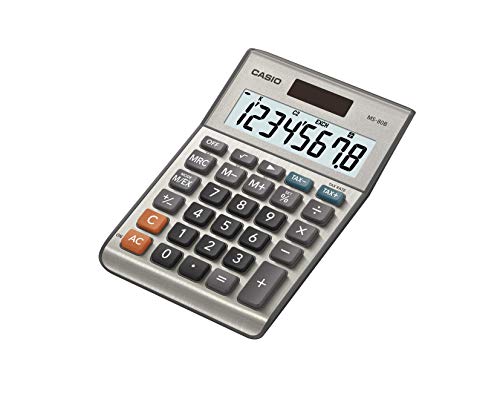
Casio MS-80B Calculator – Desktop Calculator with Tax & Currency Tools | General Purpose | Large Display | Ideal for Home, Office & Everyday Math
LARGE EIGHT-DIGIT DISPLAY – Clear and easy-to-read 8-digit display, perfect for everyday calculations and ensuring accurate results in…
As an affiliate, we earn on qualifying purchases.
As an affiliate, we earn on qualifying purchases.

HERO Neck Wallet – RFID Blocking Passport Holder, Easy to Conceal Travel Pouch (Army Grey)
LIFETIME REPLACEMENT GUARANTEE – We individually test every HERO Neck Wallet in the USA before shipping. And every…
As an affiliate, we earn on qualifying purchases.
As an affiliate, we earn on qualifying purchases.