
Before you go, review your vaccination needs based on your destination and verify your routine shots are up to date. Consult a healthcare provider or travel medicine specialist at least a few weeks in advance to get personalized advice, necessary vaccines, and medication guidelines. Pack a well-stocked health kit with essential supplies, and keep your prescriptions in their original containers. Continuing will give you all the steps to prepare safely and confidently for your trip.

Get travel and outdoor gear delivered free — and shop member deals
- Fast, free delivery on millions of items
- Access to Prime Big Deal Days deals on October 6–7
- Prime Video, Amazon Music and more included
Key Takeaways
- Consult a healthcare provider or travel medicine specialist before your trip to discuss necessary vaccines and health precautions.
- Ensure all routine vaccinations are up-to-date and get any region-specific immunizations recommended for your destination.
- Prepare a comprehensive travel health kit with medications, sun protection, antiseptics, and other essential health supplies.
- Carry copies of prescriptions and keep medications in their original labeled containers to meet travel documentation requirements.
- Review destination-specific medication restrictions and health advisories to ensure compliance and safety during travel.
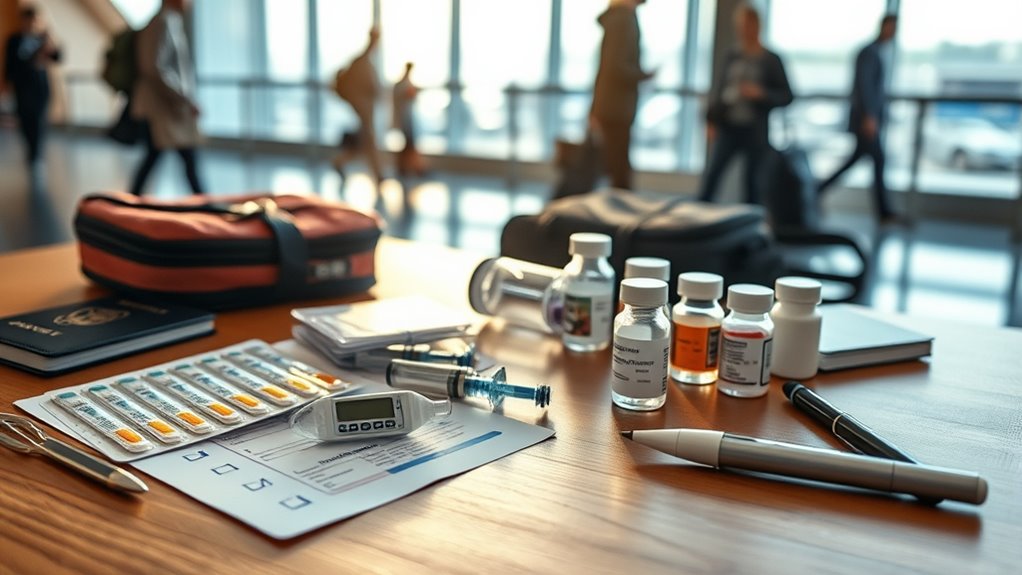
Planning your trip requires more than just packing bags and booking accommodations; it also involves preparing your health. Proper health preparation helps ensure you stay safe and comfortable while exploring new destinations. One of the first steps is understanding medication guidelines. If you take prescription medications, make sure you have enough to cover your entire trip, plus a few extra days in case of delays. Keep medications in their original containers, labeled clearly, and carry copies of your prescriptions. This makes it easier to pass through security and provides proof if you need to seek medical help abroad. Additionally, check if any medications are restricted or require special documentation in your destination country.
Creating a travel health kit is equally important. Your kit should include basic supplies such as bandages, antiseptic wipes, pain relievers, and any personal health items like allergy medications or inhalers. Consider packing electrolyte packets or rehydration salts if you’ll be in a hot climate or engaging in strenuous activities. It’s wise to include sunscreen, insect repellent, and anti-diarrheal medicines, especially if you’re visiting regions with different sanitation standards or higher risk of certain illnesses. Having these items on hand can prevent minor issues from turning into bigger health concerns. Additionally, understanding the role of vaccines in disease prevention can help you make informed decisions about protecting yourself during your travels.
Before you leave, consult your healthcare provider or a travel medicine specialist. They can advise you on specific vaccines you might need based on your destination and health history. Some vaccines require multiple doses or booster shots, so plan accordingly. Make sure your routine vaccinations are up to date, including tetanus, measles, or influenza. Your doctor can also provide personalized advice regarding medications to bring, potential side effects, and any health precautions specific to your travel plans.
As an affiliate, we earn on qualifying purchases.
Frequently Asked Questions
Are There Any Travel Vaccines Required for Domestic Trips?
For most domestic travel, there are no specific vaccine requirements. However, it’s a good idea to stay up-to-date on routine vaccines like measles, mumps, and influenza, especially if you’re traveling to areas with recent outbreaks. Check with your healthcare provider for personalized advice. While you generally don’t need special vaccines, ensuring your routine immunizations are current helps protect your health during your domestic trip.
How Far in Advance Should I Schedule My Vaccinations?
You should schedule your vaccinations at least 4 to 6 weeks before your trip to allow time for your body to build immunity. Timing considerations are essential because some vaccines require multiple doses or have specific intervals between them. Proper vaccination scheduling ensures you’re fully protected when you travel. Don’t wait until the last minute—early planning helps avoid delays and ensures you meet all health requirements for your destination.
Can I Get Vaccinated if I Have Allergies?
Yes, you can usually get vaccinated if you have allergies, but you need to navigate allergy considerations carefully. Think of vaccine safety as a delicate dance—your allergies might influence the steps. Talk to your healthcare provider about your allergy history, especially if you’ve had severe reactions before. They can tailor advice or suggest allergy testing, ensuring your immunization journey stays safe and smooth, like a well-choreographed routine.
Are There Any Age Restrictions for Travel Vaccines?
Age restrictions for travel vaccines vary depending on the specific vaccine and your health status. Generally, children and adults are eligible for most vaccines, but some may have age limits or special considerations. You should check vaccine eligibility with your healthcare provider or local health department to guarantee you’re appropriate for the recommended vaccines based on your age. They can advise you on any necessary adjustments or precautions for your age group.
What Should I Do if I Missed My Vaccination Appointment?
Missed your vaccination appointment? Don’t worry—life happens. You should contact your healthcare provider promptly to discuss rescheduling options. While it might feel like a setback, it’s just a pause before your trip, not the end. Rescheduling guarantees you stay protected and ready for travel. Act quickly, stay proactive, and your vaccine schedule can be easily adjusted. Your health and trip preparation are still well within reach.
travel vaccination record holder
As an affiliate, we earn on qualifying purchases.
As an affiliate, we earn on qualifying purchases.
Conclusion
By getting your vaccines and health checks done before traveling, you’re basically building a fortress around yourself against illness. Don’t underestimate the power of proper prep—it can turn a potential nightmare trip into an unforgettable adventure. Think of it as your secret weapon for smooth sailing. So, don’t wait until the last minute; your health is your most valuable travel companion. Prepare now and make your trip truly extraordinary!
As an affiliate, we earn on qualifying purchases.
travel insect repellent and sunscreen
As an affiliate, we earn on qualifying purchases.
As an affiliate, we earn on qualifying purchases.
Fall Picks
fall essentials
As an affiliate, we earn on qualifying purchases.