TL;DR
Japan’s most liveable cities, Osaka and Tokyo, are built around four core principles that prioritize accessibility, community, and tradition. These design rules contribute to high rankings in the 2026 Global Liveability Index.
Japan’s cities, including Osaka and Tokyo, are ranked among the world’s most liveable in the 2026 Global Liveability Index, thanks to four fundamental urban design principles that prioritize accessibility, community, and tradition. These rules have been intentionally implemented to reduce daily friction and enhance residents’ quality of life.
According to recent reports, Osaka ranked seventh and Tokyo tenth in the index, with Japan being the only Asian country with two cities in the top 10. Experts attribute this success to urban planning that focuses on creating cities built around everyday life, accessible transportation, preservation of local identity, and community-oriented design.
Urban planners and residents highlight that Japanese cities are designed to facilitate daily activities on foot or by public transit, minimizing reliance on cars. Neighborhood shopping streets, known as shotengai, feature small businesses, local amenities, and pedestrian-friendly layouts that foster social interaction and a sense of community.
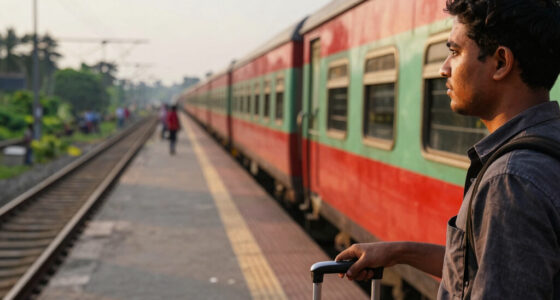
Public transportation is another cornerstone, with Japan’s extensive, reliable, and accessible rail network enabling residents of all ages and abilities to move freely. The country’s compliance with the 2006 ‘Barrier-Free’ law has led to widespread installation of elevators, ramps, and other accessibility features in transit stations, making travel easier for wheelchair users and the elderly.
Despite its modernity, Japan also maintains a deep respect for tradition and a sense of place. Neighborhoods preserve their local character, blending historical continuity with contemporary urban needs. This balance between tradition and modernity contributes to the overall sense of stability and community that residents value highly.
Four Simple Rules Behind Japan’s Most Liveable Cities
Osaka and Tokyo reduce the friction of ordinary life through neighbourhood-scale planning, inclusive public transport, continuity of place and spaces that make community contact part of the daily routine.
Liveability starts with the ordinary
Japan’s model is less about one spectacular project than thousands of small decisions that make work, groceries, healthcare, parks and social life easier to reach.
Build around daily life
Homes, shops, clinics, schools and public spaces sit close enough to connect on foot, by bicycle or through a short transit journey.
Design transport for everyone
Reliable rail is reinforced by elevators, ramps, tactile paving and clear station connections that support different ages and abilities.
Preserve local identity
Modern infrastructure grows around distinct neighbourhood patterns, long-standing businesses and familiar streets rather than erasing them.
Make community unavoidable
Shotengai shopping streets, small shops and walkable public spaces create repeated, low-pressure encounters between neighbours.
One connected trip, not five separate obstacles
Accessible design works as a system. A single missing link can restrict an entire journey, so the path from front door to destination must remain continuous.
Neighbourhood
Walkable streets and nearby services begin the journey.
Station entry
Ramps, lifts and clear routes remove the first barrier.
Rail network
Frequent services expand the practical reach of the city.
Easy transfer
Connected platforms reduce effort and uncertainty.
Daily destination
Work, care, shopping and friends remain within reach.
Where the model concentrates effort
Accessibility requirements accelerated the installation of elevators, ramps and other station improvements. The benefits extend from wheelchair users to older residents, parents with strollers and travellers carrying luggage.
What changes when everyday life leads the plan?
The Japanese pattern treats mobility, commerce, identity and social connection as mutually reinforcing parts of one urban system.
| Urban dimension | Japan’s liveability pattern | Car-first pattern | Resident effect |
|---|---|---|---|
| Daily destinations | ✓Mixed and close together | ~Separated by long trips | Less time and planning required |
| Mobility choice | ✓Walking, cycling and rail | ~Private vehicle dominates | More independence across ages |
| Accessibility | ✓Integrated into transit | ~Often handled as an add-on | Broader participation in city life |
| Local commerce | ✓Small shops on daily routes | ~Large remote retail centres | Repeated neighbourhood contact |
| Sense of place | ✓Continuity with local history | ~Standardised development | Stability, memory and belonging |
The city is measured in lived experience
Accessibility, proximity and local commerce appear as technical planning choices, but residents experience them as freedom, safety and belonging.
The same ramps, elevators and space used by a wheelchair user also help parents, older people and travellers.
Josh Grisdale Accessible city advocateLiveability comes down to whether ordinary destinations can be reached without organising the whole day around a car.
Francis Aguillard Urban design expertSmall shops, easy transit and a feeling of safety turn grocery shopping into a connection with the neighbourhood.
Patrick Lydon Osaka residentSimple rules do not mean simple transplantation
Other cities can borrow the principles, but successful adoption depends on existing street patterns, funding, governance, culture and land availability.
A globally useful framework
Proximity, inclusive mobility, local identity and community space address congestion, inequality and aging populations without requiring every city to look like Tokyo or Osaka.
Continuous refinement
Japan is expected to keep investing in accessible infrastructure and shared spaces while researchers monitor demographic change, urban growth and long-term quality-of-life outcomes.
A liveable city makes the good choice the easy choice.
When daily needs are close, transit is inclusive, local character survives and public life encourages connection, quality of life emerges from the structure of every ordinary day.
Why Japan’s Urban Design Principles Are Globally Influential
Japan’s approach offers a model for creating more inclusive, community-focused cities worldwide. Its emphasis on accessibility, local identity, and pedestrian-friendly planning results in higher quality of life, social cohesion, and urban resilience. As urban areas globally face challenges of congestion and inequality, Japan’s simple yet effective rules could inform future city development efforts.
portable wheelchair ramps for public transit
As an affiliate, we earn on qualifying purchases.
As an affiliate, we earn on qualifying purchases.
Historical and Policy Foundations of Japan’s Urban Planning
Japan’s urban planning has long prioritized community well-being and accessibility. The 2006 ‘Barrier-Free’ law mandated widespread accessibility improvements, which have been progressively implemented across cities. The integration of traditional neighborhood layouts with modern infrastructure reflects Japan’s cultural values of patience, continuity, and respect for local identity. Recent rankings in 2026 confirm these efforts’ success, with Osaka and Tokyo leading in liveability.
“Japan is built to work for everyone. The same ramps, elevators, and space I use as a wheelchair user help a parent with a stroller, an older person, or someone arriving from the airport.”
— Josh Grisdale, accessible city advocate
pedestrian-friendly shopping street signs
As an affiliate, we earn on qualifying purchases.
As an affiliate, we earn on qualifying purchases.
Unanswered Questions About Japan’s Urban Planning Replication
While Japan’s cities are highly regarded, it remains unclear how easily these design principles can be adopted in larger or differently structured cities elsewhere. Factors such as cultural differences, land availability, and funding may influence the feasibility of implementing similar strategies globally. Additionally, ongoing demographic changes and urban growth could challenge the sustainability of current models.
accessible public transportation travel accessories
As an affiliate, we earn on qualifying purchases.
As an affiliate, we earn on qualifying purchases.
Future Developments in Japan’s Urban Design Initiatives
Japan is expected to continue refining its urban infrastructure, with ongoing investments in accessibility and community spaces. Researchers and policymakers are monitoring how these principles impact quality of life over time. International interest in Japan’s model may lead to adaptations in other cities seeking to improve livability, especially as they address aging populations and urban congestion.
compact traditional Japanese neighborhood decor
As an affiliate, we earn on qualifying purchases.
As an affiliate, we earn on qualifying purchases.
Key Questions
What are the four rules behind Japan’s livable cities?
The four rules include building cities around daily life, designing accessible transportation, preserving local identity, and fostering community-oriented urban planning.
Can Japan’s urban design principles be applied elsewhere?
While promising, the application depends on local cultural, economic, and geographic factors. Adaptation may require significant modifications.
How do Japan’s cities support people with disabilities?
Japan has extensively retrofitted its infrastructure with elevators, ramps, and tactile paving, making transport and public spaces accessible for all.
What impact do these design principles have on residents’ quality of life?
Residents report higher safety, social connection, and ease of mobility, contributing to overall well-being and community cohesion.
Source: Hacker News