
TL;DR
Russian Deputy Prime Minister Alexander Novak said the country’s first diesel shipment to the United States is scheduled to depart Thursday, October 22. President Vladimir Putin said the initial tanker will carry 40,000 tons; the timing, delivery schedule and broader terms still require confirmation from the parties involved.
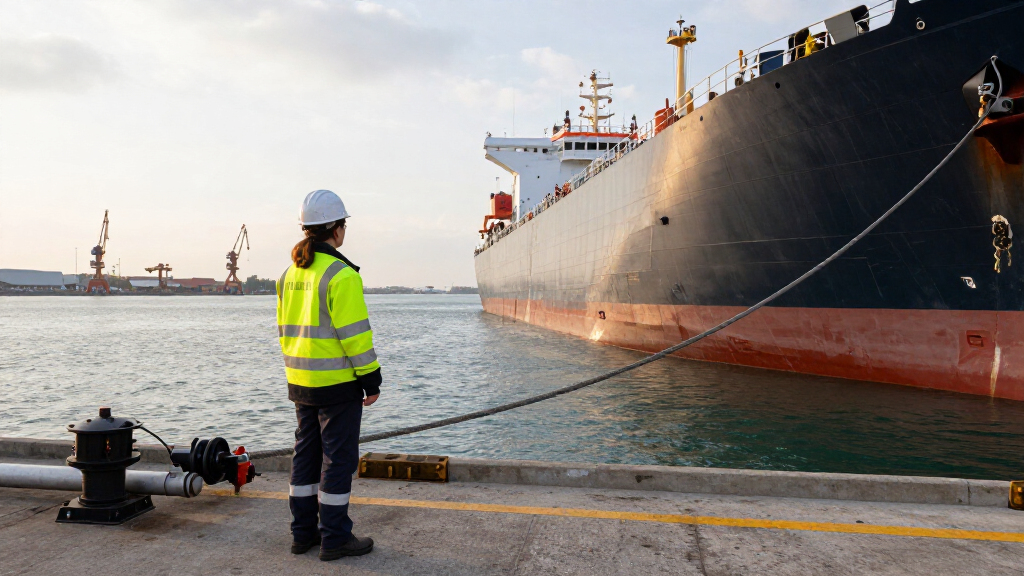
Russia says its first diesel shipment to the United States is scheduled to depart Thursday, October 22, Russian Deputy Prime Minister Alexander Novak said. President Vladimir Putin said the initial tanker will carry 40,000 tons, marking the first reported shipment under a recently announced Russia–U.S. fuel deal.
Novak said the contract covering the shipment was in its “final stage” and that further diesel deliveries would follow. He also said Russia was preparing to send several tankers to the United States, though the report did not specify how many vessels are involved or provide their destinations and arrival dates.
Putin, speaking at a meeting with U.S. envoy Steve Witkoff, said the first tanker would leave in “two to three days.” The timing Novak gave—October 22—was more specific. Both statements describe a planned departure; the source report does not confirm that the vessel has sailed or that the fuel has arrived.
Novak said Russia could restore its diesel export volumes fully by the end of 2026. For now, he said, exports are resuming within the capabilities of Russian oil refineries. The report did not provide current export volumes or a breakdown of how much fuel is intended for U.S. buyers.
A Test of the Diesel Agreement
The planned shipment would put into practice a fuel arrangement announced by Putin and U.S. President Donald Trump after their October 9 phone call. If it proceeds, it could make Russian diesel available to U.S. buyers despite sanctions that have restricted Russian energy trade. The U.S. Treasury Department has issued a temporary license allowing Russian diesel to reach the global market, according to the report.
The deal also matters beyond the first tanker because the announced volumes are much larger than the initial cargo. Trump said the sides had agreed to the “immediate” delivery of more than 300,000 tons, followed by 500,000 tons in November and a further one million tons. Those figures are statements attributed to Trump, not confirmation that the fuel has been shipped or that every stated delivery will occur.
For consumers and energy traders, the practical effect will depend on whether the cargoes depart, where they are delivered and how much supply reaches buyers. The report gives no information about prices, purchasers or any effect on U.S. fuel costs. Ukraine’s President Volodymyr Zelensky criticized the arrangement, calling it an “investment in war.”
As an affiliate, we earn on qualifying purchases.
From October 9 Call to First Cargo
The sequence began with a phone call on October 9 between Trump and Putin. The leaders subsequently announced an agreement involving Russian diesel supplies to U.S. and global markets. The Treasury Department’s temporary license is the reported mechanism permitting the fuel to reach the global market despite U.S. sanctions.
On October 21, Novak described the first U.S.-bound shipment as scheduled for the next day and said the contract was nearing completion. Putin separately described the tanker’s departure as expected within two to three days and gave the 40,000-ton cargo estimate. The accounts agree that a first shipment is planned, while offering slightly different timing language. Neither account, as reported, establishes that loading is complete or the tanker has left port.
“The signing of the relevant contract is “in its final stage.””
— Russian Deputy Prime Minister Alexander Novak
As an affiliate, we earn on qualifying purchases.
Contract, Cargo and Delivery Status
The report does not confirm whether the contract has been signed, whether the tanker has finished loading or whether it departed on October 22. It also does not identify the vessel, the U.S. port or buyer, the route, payment arrangements, or the expected arrival date. The difference between Novak’s specific October 22 schedule and Putin’s “two to three days” estimate leaves the precise departure status dependent on confirmation from the parties.
The temporary U.S. license’s detailed conditions and duration are not provided in the report. Nor is there independent confirmation in the source material of the larger delivery figures cited by Trump or of Russia’s forecast that it could restore diesel export volumes by year-end 2026. Those remain announced plans and projections, not completed deliveries.
As an affiliate, we earn on qualifying purchases.
Confirmation of the Tanker’s Departure
The immediate next development is whether the tanker leaves as scheduled on October 22. Confirmation from Russian officials, U.S. authorities or shipping records could establish the vessel’s departure, cargo and destination. Further reporting will also be needed to determine whether the contract is signed and whether the follow-on shipments described by Novak and Trump are scheduled and dispatched.
Readers should distinguish the planned first 40,000-ton cargo from the larger volumes announced for later delivery. The available report does not establish arrival dates or confirm that the additional amounts will reach the United States. Russia’s export outlook, including Novak’s end-of-2026 forecast, will depend on refinery capacity and subsequent shipment data.
As an affiliate, we earn on qualifying purchases.
Key Questions
When is the first Russian diesel shipment to the U.S. scheduled to depart?
Novak said it was scheduled to depart on Thursday, October 22, 2026. Putin separately said the tanker would leave in two to three days. The report does not confirm that it has departed.
How much diesel is in the first shipment?
Putin said the first tanker would carry 40,000 tons of diesel. The report does not independently verify the cargo or say how much has been loaded.
How can Russian diesel reach the market despite U.S. sanctions?
The report says the U.S. Treasury Department issued a temporary license allowing Russian diesel to reach the global market. It does not provide the license’s conditions or duration.
Are the larger promised diesel deliveries confirmed?
No. Trump was reported as saying the sides agreed on more than 300,000 tons for immediate delivery, 500,000 tons in November and another one million tons later. These are announced figures; the report does not confirm that those cargoes have shipped.
Source: rss