TL;DR

Get travel and outdoor gear delivered free with Prime
- Fast, free delivery on millions of items
- Prime Video, Amazon Music and more included
- Member-only deals all year
More US flights are experiencing prolonged delays on the tarmac, with over 700 delays exceeding three hours in 2025. Experts warn this trend could worsen in 2026, raising concerns about passenger welfare and airline regulation enforcement.
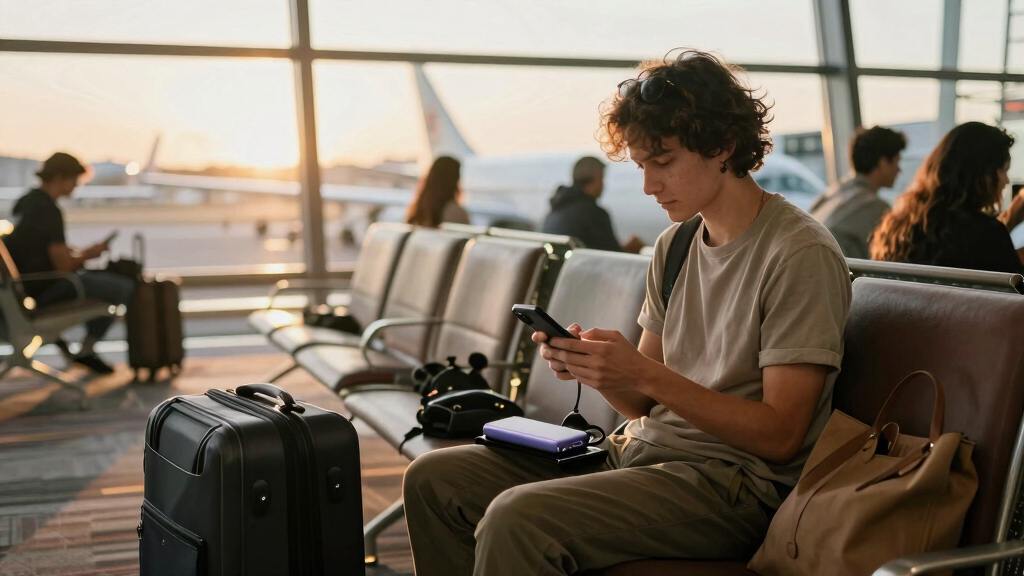
Extended tarmac delays are becoming more frequent in the United States, with over 700 incidents of delays exceeding three hours reported in 2025, according to federal data. For tips on traveling comfortably during delays, see our airplane bed alternatives. This surge raises concerns about passenger welfare and airline compliance, as delays continue despite weather conditions improving and regulations in place.
Data from the Department of Transportation indicates that in the first five months of 2025, 342 domestic flights were held on the tarmac for more than three hours. Experts note this number could surpass previous records set in 2025, which saw more than 700 such delays, making 2026 a potentially record-breaking year.
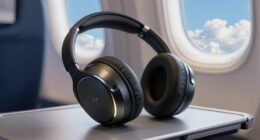
Several factors contribute to these delays, including weather disruptions, air traffic control shortages, and airline operational decisions aimed at maximizing aircraft utilization. To improve your in-flight experience, consider our airplane headphone adapters. Airlines for America attributes the increase to unpredictable weather patterns, which climate experts say are linked to climate change, though weather severity has not doubled or tripled.
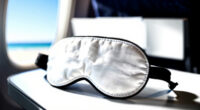
Historically, regulations introduced in 2010 imposed fines on airlines for delays exceeding three hours, but enforcement has waned in recent years. If you’re looking for ways to sleep better on long flights, check out our best eye masks for airplane sleep. The Federal Aviation Administration reports that since the beginning of the Trump administration, no fines have been issued for such delays, raising questions about regulatory compliance.
Impacts of Rising Tarmac Delays on Passengers and Airlines
The increase in prolonged delays on the tarmac affects millions of travelers, leading to discomfort, missed connections, and potential safety concerns. The decline in enforcement of regulations may embolden airlines to prioritize operational efficiency over passenger welfare, risking further deterioration of service quality. If the trend continues, 2026 could see the highest number of extended delays since the DOT began monitoring in 2010, with broader implications for airline regulation and consumer protection.
As an affiliate, we earn on qualifying purchases.
Historical Trends and Regulatory Changes in Tarmac Delays
Extended tarmac delays surged in the late 2000s, prompting the Department of Transportation to implement rules in 2010 that allowed fines for delays over three hours. These measures initially reduced the frequency of such delays, but enforcement has sharply declined in recent years. The Trump administration, and now the Biden administration, have seen a significant drop in fines issued, despite rising delay numbers.
Weather-related disruptions have always contributed to delays, but recent years have seen a spike that correlates with climate change-driven weather volatility. Meanwhile, airline operational strategies, such as holding planes on the tarmac to free gate space, continue to exacerbate the problem.
Notably, incidents like the 2007 JetBlue flight that sat on the tarmac for 10 hours remain rare but highlight the potential severity of delays, which are now becoming more common.
“Even in cases where enforcement actions have been taken in past years, airlines often avoid penalties because fines are minimal compared to operational costs.”
— Teresa Murray, PIRG
As an affiliate, we earn on qualifying purchases.
Unresolved Questions About Regulatory Enforcement and Future Trends
It remains unclear whether the decline in fines reflects a lack of regulatory will, changes in airline behavior, or both. Experts warn that unless enforcement increases, delays may continue to rise. Additionally, the precise impact of climate change on weather-related delays is still under investigation, and future regulatory responses are uncertain.
As an affiliate, we earn on qualifying purchases.
Next Steps: Monitoring Regulations and Airline Practices in 2026
Federal regulators are under pressure to revisit enforcement policies and strengthen penalties for excessive delays. Airlines may also adjust operational strategies in response to public and regulatory scrutiny. The upcoming months will reveal whether policy reforms or industry shifts can curb the rising trend of tarmac delays in 2026.
travel comfort kit for long flights
As an affiliate, we earn on qualifying purchases.
As an affiliate, we earn on qualifying purchases.
Key Questions
Why are tarmac delays increasing despite regulations?
Fines for delays have been rarely enforced in recent years, reducing the deterrent effect. Airlines also cite unpredictable weather and operational pressures as contributing factors.
What are the health and safety risks of long delays on the tarmac?
Extended delays can cause heat exhaustion, dehydration, and safety hazards, especially when cabins lack proper climate control or access to amenities.
Are there regulations to prevent delays longer than three hours?
Yes, since 2010, airlines can be fined for delays exceeding three hours, but enforcement has declined, and many delays still occur without penalty.
How might climate change influence future delays?
Climate change has increased weather volatility, which can disrupt flight schedules. However, its precise role in the recent surge remains under study.
What can travelers do to avoid or prepare for delays?
Passengers should check real-time flight updates, consider travel insurance, and stay informed about airline policies and weather forecasts.
Source: The Atlantic
Halloween Picks
halloween
As an affiliate, we earn on qualifying purchases.