
To make museums and historical sites fun for kids, turn visits into interactive adventures. Use scavenger hunts, themed challenges, or costume roles to boost engagement and learning. Encourage active participation through storytelling, role-playing, and using props or badges as rewards. Layer activities to keep energy high and curiosity alive. With these creative ideas, your kids will enjoy exploring history and culture while gaining valuable insights. Keep exploring to discover even more ways to make learning exciting!

Get travel and outdoor gear delivered free with Prime
- Fast, free delivery on millions of items
- Prime Video, Amazon Music and more included
- Member-only deals all year
Key Takeaways
- Incorporate interactive scavenger hunts to encourage exploration and active participation.
- Use themed costume tours to immerse children in historical roles and stories.
- Combine games, costumes, and challenges for layered, engaging learning experiences.
- Keep activities short and customizable to maintain focus and cater to different interests.
- Reward kids with badges or stickers to motivate involvement and reinforce learning.
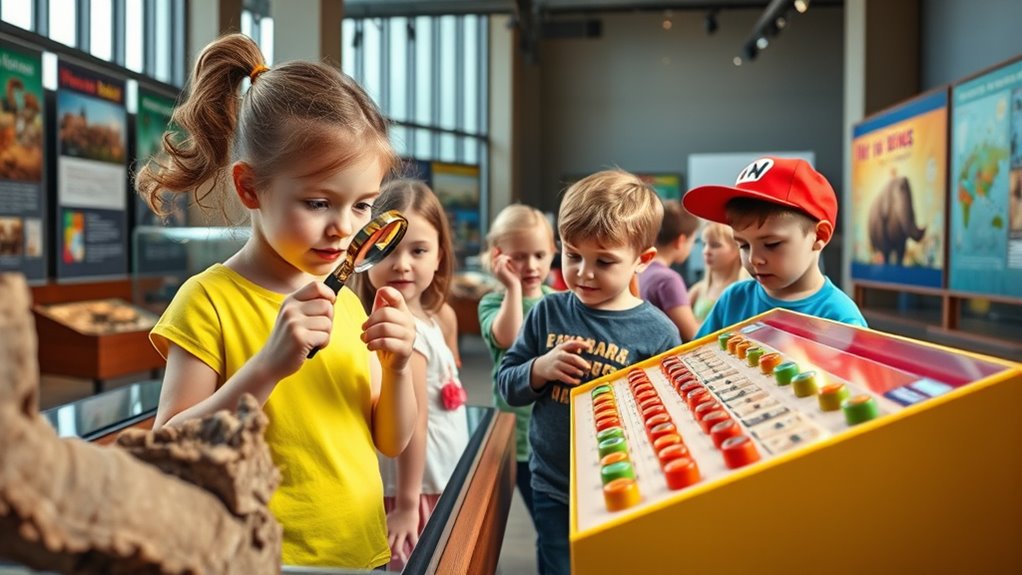
Visiting museums and historical sites can be an exciting adventure for kids when you find ways to make the experience engaging and interactive. One great way to do this is by incorporating interactive scavenger hunts into your visit. These hunts turn a passive tour into a lively game, encouraging kids to explore and pay close attention to details they might otherwise overlook. You can create your own scavenger hunt list based on specific exhibits or artifacts, or see if the museum offers pre-made versions tailored for children. As they search for items, they’ll learn about history, art, or science in a fun, hands-on way. Keep the scavenger hunt short and simple to maintain their interest, and offer small rewards for completing it, like a badge or a sticker. This approach keeps kids motivated and makes the visit feel more like an adventure than a chore. Additionally, integrating interactive learning methods can further enhance their engagement and understanding.
Another effective technique is to participate in themed costume tours. Many museums and historical sites offer these immersive experiences, where kids dress up as historical figures or characters related to the exhibits. Wearing costumes helps children connect with the past or the theme of the museum on a personal level. It transforms the visit into a role-playing game, sparking their imagination and making history come alive. Plus, themed costume tours often include storytelling elements, where guides share engaging stories or reenactments, making the history more memorable. When you encourage your kids to get involved in dressing up and acting out scenes, they become active participants rather than passive observers. This deepens their understanding and appreciation of the subject matter.
To maximize the fun, you can combine these activities—organize a scavenger hunt that leads to a costume station, where kids can change into a historical outfit and continue exploring. This layered approach keeps their energy high and their minds engaged. Remember, the goal is to make learning feel like play. Use props, costumes, and interactive challenges to captivate their curiosity and turn a typical museum visit into a memorable adventure. When kids are actively involved, they’re more likely to retain what they learn and develop a genuine interest in history and culture. So, plan ahead with these interactive ideas, and watch your children’s faces light up with excitement as they discover the stories behind the exhibits in a fun, meaningful way.
Products Worth Considering

Amazon Kindle Paperwhite (2024) – 16GB, 7 Glare-Free Display, Waterproof

Apple AirPods Pro Wireless Earbuds

DJI Mini 3 Drone with DJI RC Controller
As an affiliate, we earn on qualifying purchases.
Frequently Asked Questions
How Can I Prepare Children for Unfamiliar Museum Environments?
To prepare children for unfamiliar museum environments, start by discussing museum etiquette, like being respectful and quiet. Pack travel essentials such as snacks, a small notebook, and a camera to keep them engaged. Talk about what they might see and hear, and set expectations for behavior. Visiting the museum beforehand or showing pictures can help reduce surprises, making their visit more enjoyable and educational.
What Are Age-Appropriate Museum Activities for Different Children?
You can tailor museum activities to different ages by incorporating interactive scavenger hunts for older kids, which keep them engaged and encourage exploration. For younger children, creative art stations allow them to express themselves while learning about exhibits. Always adjust the complexity of activities to match their age, ensuring they’re fun and educational. This approach keeps kids excited, helps them learn more, and makes the museum visit memorable for everyone.
How Do I Keep Kids Engaged During Long Museum Visits?
To keep kids engaged during long museum visits, you should incorporate interactive activities like scavenger hunts or quizzes. Bring along museum snack ideas to keep their energy up and use travel gear tips such as comfortable shoes and a portable chair for breaks. Engage them with questions about exhibits, and switch activities often to maintain their interest, making the experience fun and educational for everyone.
Are There Specific Museums With Interactive Exhibits for Kids?
Yes, many museums feature interactive exhibits perfect for kids. Look for places with hands-on exhibits, where they can touch, build, or explore. Scavenger hunts are also great to keep them engaged, turning the visit into a fun game. Museums like the Smithsonian’s National Museum of Natural History or local science centers often offer these activities. These hands-on experiences make learning exciting and memorable for kids.
How Can I Involve Kids in the Historical Storytelling Process?
You can involve kids in the historical storytelling process by encouraging interactive storytelling and family participation. Ask them to act out scenes, imagine themselves in historical settings, or create their own stories based on exhibits. Use questions to spark their curiosity and let them share ideas. This active involvement makes history come alive, keeps them engaged, and fosters a deeper understanding of the past through fun, collaborative experiences.
Conclusion
By turning exploration into a treasure hunt and stories into lively adventures, you transform museums into magical playgrounds of learning. When you make history come alive, kids won’t just see exhibits—they’ll feel the heartbeat of the past, dancing under their fingertips. Embrace your role as a guide, sparking curiosity like sparks in a fireworks display. With a little creativity, every visit becomes a memorable voyage, where education and fun blend into a symphony of discovery that echoes long after you leave.