TL;DR

Get travel and outdoor gear delivered free — and shop member deals
- Fast, free delivery on millions of items
- Access to Prime Big Deal Days deals on October 6–7
- Prime Video, Amazon Music and more included
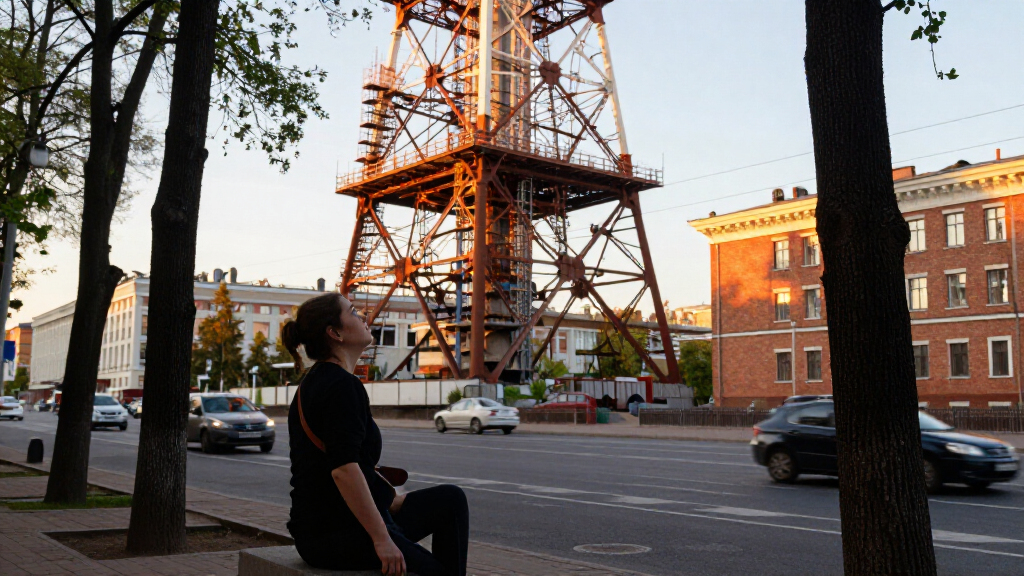
The Russian Television and Radio Broadcasting Network plans to dismantle almost all of Moscow’s 1922 Shukhov Tower this fall and replace it with a replica by 2028. Preservation specialists argue that keeping the tower’s original steel is part of preserving Shukhov’s work; the available report does not give RTRS’s detailed rationale or the full scope of the planned replacement.
Moscow’s Shukhov Tower, the 1922 lattice structure designed by engineer Vladimir Shukhov, is due to be mostly dismantled this fall and replaced with a replica by 2028, according to a report by Meduza. The plan by tower owner RTRS, Russia’s television and radio broadcasting network, has drawn objections from specialists who say that replacing the original steel would mean losing part of Shukhov’s work.
The planned overhaul would remove almost all of the tower’s existing structure, Meduza reports, with a replica to take its place. The report describes the work as a restoration plan by RTRS, but the scope reported would replace much of the original steel. It does not include a detailed engineering plan, a schedule beyond the fall start and 2028 target, or an explanation from RTRS of why it chose this approach.
Preservation specialists cited by Meduza dispute the idea that a replica would preserve the tower in full. Their position is that the original material matters alongside the structure’s recognizable shape. The report says specialists view removing almost all of the steel as tantamount to destroying Shukhov’s work. That is their assessment of the plan, rather than a stated conclusion from RTRS.
The tower was built between 1919 and 1922 and stands 144 meters (about 470 feet) tall. Its lattice uses straight metal rods arranged at angles and secured by rings. The design made the tower relatively light and allowed wind to pass through it. It became a landmark in Moscow’s Shabolovka neighborhood and served as a major radio and television transmitter.
The Value of the Original Steel
The dispute concerns what a restoration is meant to preserve. A replica could retain the tower’s outline and visual presence, while removing most of the metal installed for Shukhov’s original design. Specialists quoted by Meduza argue that this material is part of the work’s historical and engineering value, so its loss would change what remains of the landmark.
The decision also affects a prominent piece of Moscow’s architectural heritage. The tower was an engineering landmark of the early Soviet period and played a central role in the development of broadcasting in the country. The planned replacement therefore raises a practical question for preservation: how much original fabric can be removed before a restored monument becomes a reconstruction?
A Tower Built for Broadcasting
Shukhov developed lattice hyperboloid structures using straight rods arranged in angled patterns. The design could achieve strength with comparatively little metal and required shallower foundations than conventional towers, according to the Meduza report. Shukhov’s first such tower was built for an exhibition in Nizhny Novgorod in 1896.
The Shabolovka project was backed by Soviet leader Vladimir Lenin, who supported a powerful Moscow radio station. Construction took place amid shortages after the Civil War, and the tower was completed at 144 meters, shorter than the 350-meter design originally envisioned. It became the country’s main radio transmitter and later carried television signals. Regular television broadcasts from the tower began in March 1939; it remained the Soviet Union’s main television tower until the Ostankino Tower was built.
““they chose the highest site they could find as close to the Kremlin as possible.””
— Alexandra Selivanova, architectural historian and former director of the Shabolovka Avant-Garde Center
What the Replacement Plan Leaves Open
The available report does not set out RTRS’s technical case for dismantling the tower, what assessments informed the decision, or how much original metal would remain. It also does not specify how the replacement would be assembled, whether the 2028 target is a completion deadline, or what oversight and preservation protections apply.
The objections described by Meduza come from specialists; the source material does not provide a detailed response from RTRS. It is also unclear whether the plan could change following the criticism or whether any formal heritage review is under way. The reported timeline is a plan, not confirmation that dismantling has begun.
The Fall Work and 2028 Target
RTRS’s reported plan is to begin dismantling the tower in fall 2026 and replace it with a replica by 2028. The next relevant details are the release of engineering documents, an explanation of how the original steel will be handled, and any response from the owner to preservation concerns. The report does not identify a specific start date or further milestones.
Key Questions
What is planned for the Shukhov Tower?
According to Meduza, owner RTRS plans to dismantle almost all of it this fall and replace it with a replica by 2028.
Why are specialists objecting?
Specialists cited by Meduza say preserving the tower’s original steel matters alongside its shape. They argue that replacing most of the metal would mean losing part of Shukhov’s work.
When was the tower built?
The Shabolovka Tower was built between 1919 and 1922. It stands 144 meters tall and became a major radio and television transmitter.
Has dismantling started?
The report describes dismantling as planned for fall 2026. It does not say that work has begun or provide a specific start date.
Source: rss
Fall Picks
fall essentials
As an affiliate, we earn on qualifying purchases.