Travel comfort hinges on using layers and timing to adapt easily to changing temperatures and environments. By packing versatile clothing, you can add or remove layers as needed, staying comfortable throughout your journey. Planning your timing at airports also helps you avoid rushing and stress, making shifts smoother. Mastering these strategies keeps you relaxed and prepared. Keep exploring to discover more tips that can help make your trip even more comfortable.

Get travel and outdoor gear delivered free with Prime
- Fast, free delivery on millions of items
- Prime Video, Amazon Music and more included
- Member-only deals all year
Key Takeaways
- Layering allows quick adaptation to indoor and outdoor temperature changes, enhancing overall comfort during travel.
- Proper timing of airport activities reduces stress and ensures smoother transitions between different travel stages.
- Combining strategic clothing layers with well-planned schedule minimizes discomfort from climate fluctuations.
- Managing hydration and meals in sync with travel timing helps maintain physical well-being and comfort.
- Thoughtful planning of layers and timing creates a relaxed travel experience, reducing fatigue and anxiety.
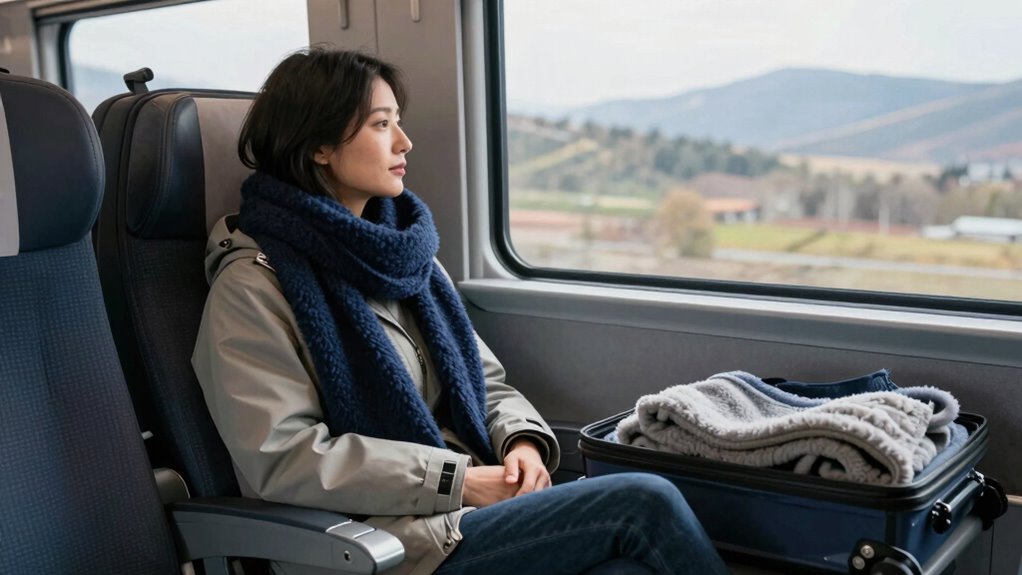
When it comes to travel comfort, mastering the art of layering and timing can make all the difference in how enjoyable your journey is. You want to arrive at your destination feeling refreshed rather than exhausted, and that starts with smart packing essentials and strategic airport navigation. The key is understanding how to build your outfit in layers that adapt to changing temperatures and how to time your movements to avoid stress and long waits.
First, focus on your packing essentials. A well-thought-out packing list ensures you have versatile clothing pieces that can be layered easily. Think lightweight, breathable fabrics that you can add or remove depending on the climate. Include a cozy sweater or jacket, a scarf, and comfortable shoes. These items help you stay comfortable during long flights, layovers, and even waiting in lines. Packing efficiently means you avoid overstuffing your suitcase, but also make sure you have what you need to stay comfortable and prepared. When you’re navigating the airport, having these essentials accessible allows you to adjust quickly from the cool air-conditioned terminals to the warmer outdoor environments or vice versa. Being aware of your climate adaptability can help you prepare better for different environments. Additionally, considering the contrast ratio between indoor and outdoor temperatures can help you choose the most appropriate clothing layers. Paying attention to climate zones can further enhance your comfort by guiding your packing choices based on your destination’s specific weather patterns. Incorporating layering techniques into your packing strategy can also optimize space and versatility.
Pack versatile, breathable layers and essentials for comfort and quick adjustment during your journey.
Timing your airport navigation is equally crucial. Arriving early gives you the luxury of moving through security and check-in at a relaxed pace. Rushing only increases stress, which can undo the comfort you’re trying to maintain. Use your waiting time to layer up or peel off clothing as needed without feeling rushed. If you arrive with enough buffer, you can find a quiet spot to change or adjust your layers before boarding. Smart timing also means knowing when to head to your gate, especially if you’re aware of potential delays or boarding procedures. Being ahead of the crowd reduces anxiety and keeps your travel experience smooth. Additionally, planning your layovers and transfer times carefully can help you avoid unnecessary hurried movements and allow for more comfortable transitions. Proper planning can also help you stay relaxed by reducing the need for last-minute decisions or rushed movements.
Additionally, consider the timing of your meals and hydration. Eating before flights, especially with layered clothing, can prevent discomfort caused by hunger or dehydration. Staying well-hydrated during your journey helps your body adjust to different climates and reduces fatigue. Proper timing ensures you’re not overstuffed or waiting too long to eat, which can lead to discomfort.
Ultimately, travel comfort hinges on how well you plan for the physical and temporal aspects of your trip. By packing the right essentials and timing your airport navigation wisely, you set yourself up for a smoother, more comfortable journey. It’s about being prepared to adapt, stay relaxed, and enjoy the experience from start to finish.
Products Worth Considering

Amazon Kindle Paperwhite (12th Generation, 2024), 16 GB, 7-inch Display, Jade

Sony WH-1000XM4 Wireless Noise Cancelling Headphones, Black

DJI Mini 3 Drone with DJI RC Controller
As an affiliate, we earn on qualifying purchases.
Frequently Asked Questions
How Can I Adjust My Travel Layers for Different Climates?
To adjust your travel layers for different climates, you should choose versatile layering materials like moisture-wicking base layers, insulating mid-layers, and waterproof outer shells. Pack travel accessories such as compact scarves, gloves, or hats to add or shed based on the weather. Always check the forecast before packing, and layer smartly so you can easily adapt to temperature changes, ensuring comfort throughout your journey.
What Are the Best Times to Avoid Peak Travel Discomfort?
You should avoid peak travel discomfort by choosing off-peak times when airports are less crowded and airport amenities are more accessible. Traveling early mornings or late evenings often means fewer lines and better access to travel accessories like comfortable neck pillows and noise-canceling headphones. During these times, airport amenities are less busy, making your experience more relaxed. Planning your flights thoughtfully helps you stay comfortable and stress-free throughout your journey.
How Do Layering Strategies Differ for Long-Haul vs. Short Trips?
For long-haul trips, you’ll need versatile layering essentials like lightweight sweaters and stretchy travel clothing to stay comfortable during extended hours. Short trips demand quick, easy-to-pack options, such as moisture-wicking shirts and a light jacket. Studies show travelers who layer effectively report 30% less discomfort. Focus on adaptable travel clothing, so you’re prepared for varying temperatures and environments, regardless of trip length.
Can Timing Impact the Quality of Sleep During Travel?
Timing definitely impacts your sleep quality during travel. By aligning your sleep environment with your natural rhythms, you can optimize rest and reduce fatigue. For example, adjusting your sleep environment—like using blackout curtains or noise-canceling headphones—helps create a restful space, aiding rest optimization. Planning your sleep timing to match your destination’s time zone can also minimize jet lag, ensuring you wake up refreshed and ready to explore.
How Do I Balance Comfort and Practicality With Layers and Timing?
You can balance comfort and practicality by packing versatile travel accessories like a neck pillow and eye mask, which enhance rest without bulk. Use smart luggage organization to keep layers accessible, so you can adjust to changing temperatures or comfort needs easily. Timing your breaks and sleep periods helps maintain energy. Prioritize essentials, pack efficiently, and plan your layers and rest periods to guarantee a smoother, more comfortable journey.
Conclusion
Remember, achieving travel comfort is like tending a delicate garden—you need to layer your protections and time your actions just right. When you combine the right gear, plan your timing wisely, and listen to your body, you create a smooth journey that blooms with ease. Keep these layers in mind, and your travel experience will flourish, turning a potentially bumpy ride into a well-orchestrated dance across the globe.