
TL;DR

Get travel and outdoor gear delivered free — and shop member deals
- Fast, free delivery on millions of items
- Access to Prime Big Deal Days deals on October 6–7
- Prime Video, Amazon Music and more included
Portable camping hammocks are lightweight, compact, and versatile gear for outdoor relaxation or sleep. Picking the right one involves considering weight, durability, setup, and weather protection—this guide covers it all.
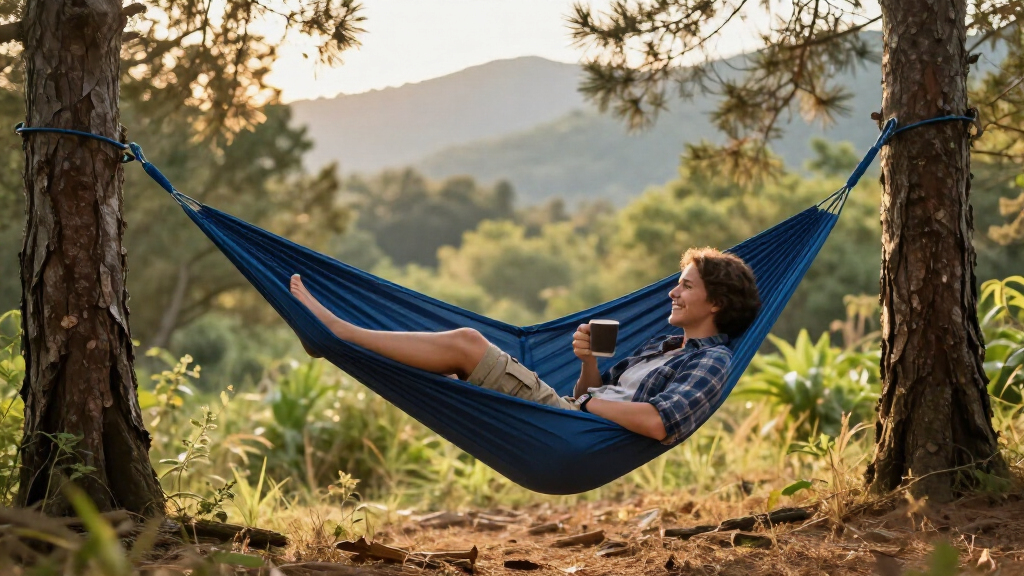
If you’re tired of sleeping on uneven ground or lugging bulky tents, a portable camping hammock could be your game-changer. These lightweight beds hang effortlessly between trees or anchor points, offering a cozy spot to relax or sleep under the stars.
But not all hammocks are created equal. The right model balances weight, durability, comfort, and weather protection. This guide helps you pick your perfect portable hammock, from setup tips to must-know features. Ready to elevate your outdoor experience? Let’s dive in.
Choose a hammock with a weight capacity at least 50% higher than your body weight for safety and durability.
Use wide tree straps and avoid thin cords to protect bark and prevent fabric damage.
Adjust your hammock to a slight diagonal for the most comfortable sleeping position.
Add a tarp and insulation to turn your hammock into a weatherproof sleeping spot.
Regularly inspect and clean your hammock to extend its lifespan and ensure safety.
What Makes a Portable Camping Hammock Truly Travel-Ready?
Portable camping hammocks are designed to be lightweight, compact, and quick to set up. They typically weigh less than 2 pounds and fold into small pouches, fitting easily into your backpack or daypack. Imagine slipping your hammock into a side pocket after a long hike—no fuss, no bulk.
For example, the ENO Eagles Nest Outfitters DoubleNest weighs just 19 ounces and packs down to the size of a grapefruit. Its ripstop nylon fabric dries fast and resists tears. When choosing a hammock, look for a model that balances weight and durability—because a fragile fabric won’t hold up on rough trails.
Plus, consider how it packs. Some models include a stuff sack or compression pack, making storage neat and manageable. A compact hammock not only saves space but also encourages you to bring it along on every adventure—whether it’s a quick kayak trip or a weeklong backpacking trek.
Understanding why lightweight, compact design matters is crucial: it directly influences what gear you can carry. A heavy or bulky hammock can weigh you down, limit your other gear options, and make your pack less manageable. Conversely, an ultralight hammock enhances mobility, allowing for spontaneous stops or extended trips without the burden of extra weight. This balance between portability and durability requires careful material choice—materials that are both strong and lightweight—because the tradeoff often involves balancing weight savings against tear resistance or weather durability.
portable camping hammock lightweight
As an affiliate, we earn on qualifying purchases.
As an affiliate, we earn on qualifying purchases.
How to Pick a Hammock That Supports All Your Adventures
- Check the weight capacity. Aim for at least 400 pounds if you plan to share or carry gear inside. Don’t go just by the number—test the fabric and suspension hardware.
- Match the size to your body. Longer and wider hammocks (around 10–11 feet long and 60 inches wide) give more comfort and sleeping options. For instance, a wider hammock lets you sleep diagonally, flattening the fabric and easing pressure points.
- Look at the fabric and stitching. Ripstop nylon or polyester is best—light but strong. Reinforced seams prevent tearing under stress.
- Consider suspension systems. Tree straps with 1-inch width distribute pressure evenly, protecting bark and making setup easier. Avoid thin cord that can damage trees or cut into fabric.
- Weatherproof features. A built-in bug net, rain tarp compatibility, and quick-drying material extend usability. Think about where and when you’ll camp.
Choosing a hammock isn’t just about matching features—it’s about understanding how these features influence your outdoor experience. For example, a higher weight capacity ensures safety when sharing your hammock or carrying gear, but it might come with a slight weight penalty. Longer, wider models enhance comfort but may add to pack size. Material choices impact durability against rough terrain or weather exposure. Suspension systems affect setup speed and tree health; poor hardware can lead to accidents or damage. Weatherproof features broaden your use season but may add weight or complexity. Weighing these tradeoffs helps you find a versatile hammock that supports your adventures without compromising portability or safety.
ultralight backpacking hammock with rain fly
As an affiliate, we earn on qualifying purchases.
As an affiliate, we earn on qualifying purchases.
The Setup Secrets: How to Hang Your Hammock Safely and Comfortably
Getting your hammock just right takes a few simple steps. First, find two sturdy trees about 12–15 feet apart. Use wide straps—at least 1 inch—to avoid damaging bark and distribute weight evenly. Wrap the straps around the trees, then clip or tie the hammock’s carabiners or loops to the straps.
Adjust the height so the lowest point hangs about 18 inches above the ground. This height reduces injury risk if you slip out. A good rule of thumb: when you sit in the hammock, your feet should touch the ground lightly, and the fabric should curve into a gentle ‘U’ shape.
For extra comfort, aim for a slight diagonal lying position—this flattens the fabric, mimicking a natural sleeping angle. Use a ridgeline—an adjustable cord stretched between the trees—to keep the suspension even and to hang your tarp or gear.
Remember, always test the setup with some weight before fully trusting it overnight. Check for stability, fabric integrity, and secure attachment points. Practice makes perfect, especially if you plan to camp solo.
Deepening your understanding of hanging techniques is essential because improper setup can lead to discomfort or safety issues. For example, a hammock hung too high or too low can cause strain or instability. The angle of suspension affects comfort; a steeper angle might feel secure but less restful, while a shallow angle can lead to excessive swinging. Using a ridgeline helps maintain consistent tension and prevents sagging, which is vital for comfort and gear hanging. Practicing different setups allows you to quickly adapt to various trees and environments, ensuring a safe, restful night outdoors.
compact travel hammock for camping
As an affiliate, we earn on qualifying purchases.
As an affiliate, we earn on qualifying purchases.
Weatherproofing and Extras: Making Your Hammock All-Weather Ready
A hammock alone won’t keep you dry or bug-free. To enjoy your hammock in rain or insect-heavy areas, add a tarp and bug net. A lightweight tarp can be pitched over your hammock, creating a waterproof shield. Look for models that pack down small but set up quickly.
For example, the ENO DryFly tarp weighs around 12 ounces and offers full coverage. Pair it with a bug net that zips closed, like the Sea to Summit Ultra-Sil Net, which adds only a few ounces.
Insulation is another key. Air beneath you cools fast, especially in mild weather. Use a sleeping pad or an underquilt—these insulate from below without compressing like a sleeping bag. A good example: the Klymit Insulated V Lite sleeping pad packs small and triples as a sitting pad.
Incorporate these extras into your pack, and your hammock becomes a year-round outdoor lounge or sleep spot. Just remember: always check weather forecasts before heading out.
Understanding the importance of weatherproofing is crucial because exposure to rain, wind, or insects can ruin your outdoor experience or compromise safety. A tarp provides a physical barrier against rain and wind, preventing you from getting wet and reducing wind chill. Choosing the right tarp size and pitch angle is important—too small or poorly pitched can lead to leaks or insufficient coverage. A bug net is not just about comfort but also health, preventing bites and insect-borne illnesses. Insulation options like underquilts or pads are essential in cooler weather; neglecting insulation can lead to hypothermia or discomfort, especially when sleeping in variable climates. Integrating these accessories thoughtfully enhances your hammock’s functionality, making it adaptable to changing weather conditions and extending your camping season.
durable ripstop nylon camping hammock
As an affiliate, we earn on qualifying purchases.
As an affiliate, we earn on qualifying purchases.
Comfort Tips: How to Sleep Better in Your Portable Hammock
Comfort in a hammock isn’t just about size—it’s about setup and position. Lie diagonally across the hammock, not straight in line with the suspension. This angle flattens the fabric and creates a near-rectangular sleeping surface.
Adjust the sag—too tight, and it feels cramped; too loose, and you’ll swing wildly. Aim for a gentle curve that supports your shoulders and hips evenly. Use a ridgeline to keep tension steady.
Personalize your sleep: add a pillow, and wear soft, moisture-wicking clothes. If you’re cold, insulate beneath you with a pad or underquilt. Trust me, a little extra effort here turns a camping hammock from a hammock into a cozy bed under the stars.
For instance, one camper found that adding a small inflatable pillow made all the difference in preventing neck stiffness after a long night. Recognizing that proper positioning and additional comfort accessories can significantly improve sleep quality is key—because even the best hammock won’t be restful if you’re uncomfortable or misaligned.
Caring for Your Hammock: Keep It Strong and Long-Lasting
Longevity depends on simple maintenance. Always dry your hammock thoroughly after rain or washing. Store it in a cool, dry place, away from direct sunlight which can weaken fabric over time.
Inspect regularly for tears, frayed stitching, or damaged hardware. Replace worn straps or broken carabiners immediately. A quick pre-use check can prevent accidents or damage during your trip.
If you follow the manufacturer’s cleaning instructions—usually gentle hand wash with mild soap and air dry—you’ll keep your hammock in top shape for years.
Imagine pulling out a hammock that’s bright, clean, and ready to hang—ready for that weekend escape or spontaneous adventure.
Maintaining your hammock isn’t just about appearance; it’s about safety and performance. Proper care prevents small issues from becoming major failures, which could compromise your safety or ruin your trip. Regular inspections catch early signs of wear, such as frayed stitching or hardware corrosion, allowing timely replacements. Using recommended cleaning methods preserves fabric strength and prevents mold or deterioration. Thoughtful storage—dry, cool, and out of direct sunlight—slows material degradation. Ultimately, investing time in maintenance ensures your hammock remains reliable, safe, and comfortable over many adventures, making it a trusted companion for years to come.
The Future of Portable Hammocks: What’s Coming Next?
Expect even lighter, more durable materials in future models. Manufacturers are experimenting with ripstop fabrics that weigh less but hold more weight, and quick-setup suspension systems that cut setup time in half. Integrated accessories—like built-in storage pockets or LED lights—are becoming popular.
For example, some brands are now offering hammock-shelter combos that include a rain tarp, bug net, and even solar-charging pockets in one pack. These innovations make hammock camping more accessible, comfortable, and versatile for all seasons.
As the market evolves, look for models that blend ultralight design with high durability—perfect for backpackers who want to minimize pack weight without sacrificing comfort.
Anticipate advancements that focus on multi-functionality, such as modular attachments or integrated lighting, which can enhance usability and safety. These innovations aim to reduce setup time, increase weather resistance, and add convenience features—making hammock camping more intuitive and enjoyable for all outdoor enthusiasts.
Frequently Asked Questions
Can I sleep overnight in a camping hammock?
Yes, if your hammock is rated for overnight use and you have appropriate insulation and weather protection. Many models are designed for sleeping, offering comfort and support for a full night under the stars.
Do I need a tarp and bug net?
While not always necessary, they are highly recommended in rain or insect-prone areas. A tarp keeps you dry, and a bug net protects against bites—making your hammock usable in more conditions.
How do I stay warm in a hammock?
Use an insulated underquilt or sleeping pad underneath, and dress appropriately for the weather. Proper insulation prevents heat loss through the fabric, which can feel cold even in mild weather.
Is hanging a hammock harmful to trees?
It can be if you use thin cords or hardware that damages bark. Wide straps—at least 1 inch—spread the load and protect trees. Always follow local guidelines and avoid hanging over dead or unstable trees.
What’s the best way to pack my hammock?
Fold or roll it neatly, place it in its stuff sack or compression bag, and store it in a cool, dry place. Make sure it’s dry before packing to prevent mold and fabric deterioration.
Conclusion
A portable camping hammock is more than just gear—it’s your ticket to effortless outdoor relaxation. Pick the right one, master the setup, and add weather protection. Before your next trip, imagine lying suspended under a canopy of stars—comfort, simplicity, adventure all in one.
Remember: a good hammock isn’t just about weight or fabric—it’s about how it transforms your outdoor moments into restful escapes. So, get out there, hang up, and enjoy the breeze.
Fall Picks
fall essentials
As an affiliate, we earn on qualifying purchases.