
TL;DR
The Palestinian Authority is experiencing escalating financial difficulties due to aid reductions and mounting debt. This crisis threatens stability and impacts governance, with no immediate resolution in sight.
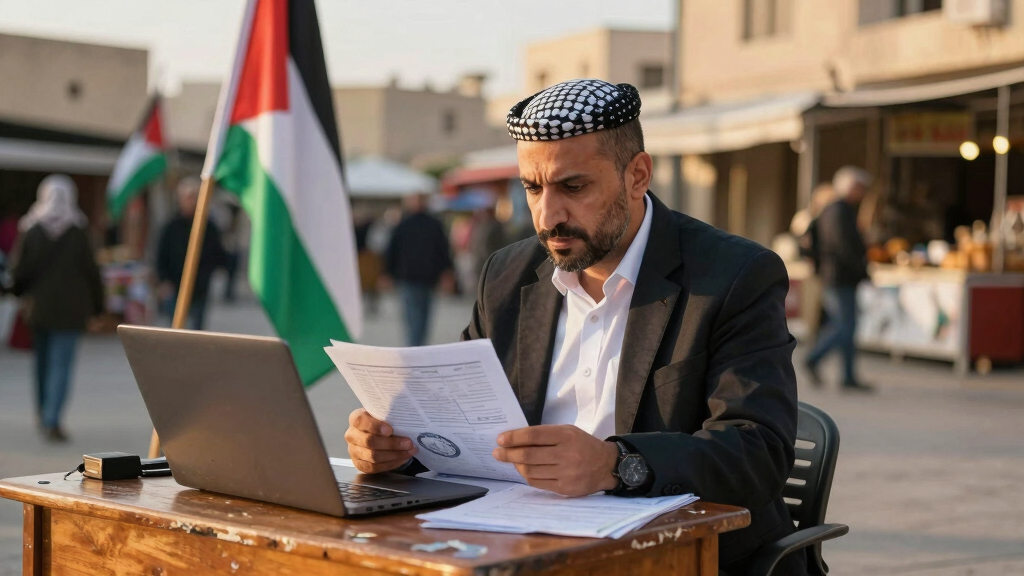
Financial pressures are increasingly threatening the Palestinian Authority’s stability, with aid reductions, unpaid salaries, and mounting debt pushing the government toward a critical point, according to officials and analysts.

Get travel and outdoor gear delivered free with Prime
- Fast, free delivery on millions of items
- Prime Video, Amazon Music and more included
- Member-only deals all year
The Palestinian Authority (PA) is facing a severe financial crisis driven by a significant reduction in international aid, which has been a primary source of revenue for the government. Officials have reported delays in salary payments to public sector employees and difficulties in funding essential services. The PA’s debt has also risen sharply, with unpaid bills to suppliers and creditors accumulating, further straining its financial capacity.
Sources within the Palestinian government confirmed that the crisis has worsened over recent months, with the PA struggling to meet its fiscal obligations amid declining donor support. The Palestinian Finance Ministry has warned of potential austerity measures and warned that continued funding shortages could threaten basic governance functions. Experts say the crisis could exacerbate political instability and fuel unrest in the region.
Implications for Palestinian Stability and Governance
This financial crisis threatens to undermine the Palestinian Authority’s ability to maintain public services and political stability. Reduced government salaries and delayed payments could lead to increased dissatisfaction among the population, potentially fueling protests and unrest. The crisis also risks weakening the PA’s authority in the West Bank, impacting its negotiations with Israel and international partners. For donors and regional stakeholders, the situation highlights the urgent need for a sustainable financial strategy and increased support to prevent further deterioration.
Products Worth Considering

Samsonite Freeform Hardside Carry-On Spinner Luggage, Expandable, Black

Amazon Kindle Paperwhite (16 GB, 2024) – 7-inch Display, Black

Amazon Kindle Paperwhite (12th Generation, 2024), 16GB, 7-Inch Display, Raspberry
As an affiliate, we earn on qualifying purchases.
Recent Aid Cuts and Economic Challenges Deepen Crisis
The Palestinian Authority has long relied heavily on international aid, particularly from the United States, European Union, and Arab countries, to fund government operations and social programs. Over the past year, aid has been significantly reduced amid political disagreements and shifting regional priorities. This reduction has compounded existing economic issues, including high unemployment, limited economic development, and internal debt. The PA’s financial difficulties are part of a broader regional challenge, with ongoing tensions and diplomatic stagnation affecting aid flows and economic stability.
Unclear Prospects for International Aid and Political Stability
It is not yet clear whether international donors will restore aid levels or if new financial arrangements will be implemented. The political situation, including ongoing tensions with Israel and internal Palestinian divisions, remains unstable, complicating efforts to address the crisis. The long-term impact on governance and regional stability is also uncertain.
Potential Measures and International Engagements Moving Forward
The Palestinian Authority is expected to seek emergency financial support from regional and international partners. Discussions are reportedly underway for potential aid packages or debt restructuring, but no concrete agreements have been announced. Monitoring developments in donor support and regional diplomacy will be crucial to assess whether the crisis can be mitigated in the coming months.
Key Questions
The crisis is primarily due to a significant reduction in international aid, combined with rising internal debt and unpaid salaries, which have strained the government’s fiscal capacity.
How might this crisis affect daily life in the Palestinian territories?
Potential impacts include delays in public sector salaries, reduced government services, and increased economic hardship, which could lead to social unrest.
Are there any signs of international aid returning?
There are ongoing discussions with regional and international donors, but no definitive aid commitments have been announced yet.
Could this crisis lead to political instability?
Yes, prolonged financial difficulties could undermine the PA’s authority, increase dissatisfaction among the population, and potentially lead to protests or unrest.
The PA may seek emergency aid, negotiate debt restructuring, or implement austerity measures, but the effectiveness of these steps remains uncertain.
Source: google-trends