TL;DR
Russian President Vladimir Putin has backed a proposal to permit volunteers with severe medical conditions, such as blindness, deafness, and schizophrenia, to serve in regional drone-defense units. This move aims to expand volunteer participation but raises questions about safety and effectiveness.
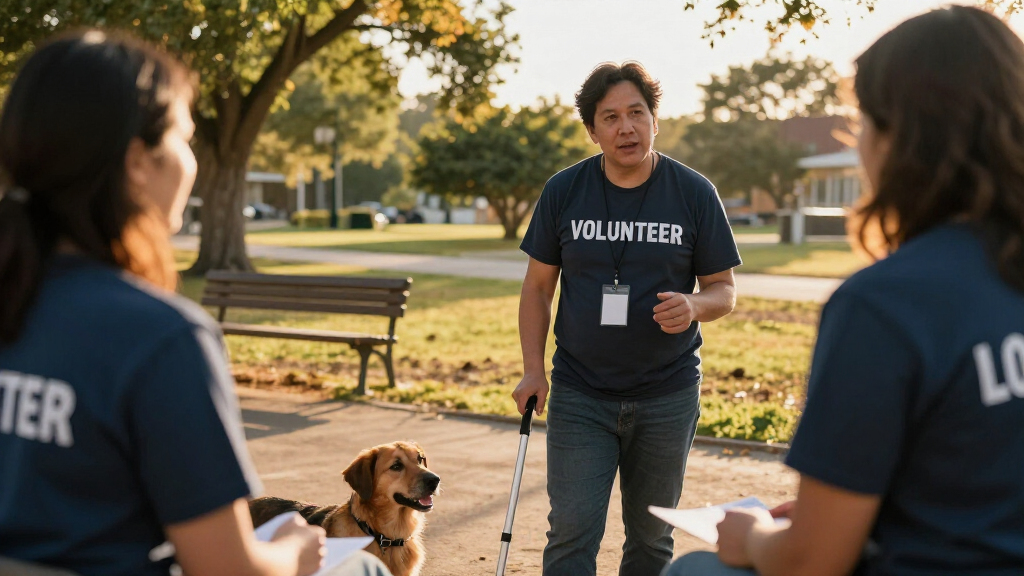
Russian President Vladimir Putin has publicly endorsed a proposal to allow volunteers with severe medical conditions, including blindness, deafness, and schizophrenia, to serve in regional drone-defense units. This endorsement signals a potential policy shift aimed at expanding volunteer participation in national defense efforts, though the initiative raises questions about safety, operational effectiveness, and the inclusivity of military service.
The proposal, which has gained attention amid ongoing discussions about expanding civil defense capabilities, was supported by Putin during a recent public appearance. According to official sources, the initiative aims to leverage the skills and dedication of individuals with severe disabilities, who are traditionally excluded from such roles due to safety concerns and operational limitations.
Details about the specific criteria, training protocols, or the scope of responsibilities for these volunteers remain unclear. It is known that regional authorities are expected to develop specialized training programs to accommodate volunteers with various disabilities, including adaptive technologies and modified duty assignments.
While the proposal has received mixed reactions, some experts argue it could foster greater inclusion and demonstrate innovative approaches to civil defense, whereas critics warn of potential risks to safety and operational integrity. The government has emphasized that participation will be voluntary and will include comprehensive assessments to ensure safety and effectiveness.
Implications for Military and Civil Defense Policies
This development could significantly alter perceptions of disability and military service in Russia, challenging traditional exclusions based on health conditions. If implemented effectively, it might set a precedent for broader inclusion in civil defense roles, potentially inspiring similar policies elsewhere. However, it also raises concerns about the safety of both volunteers and the public, especially in high-stakes environments like drone-defense units, which require precise coordination and quick decision-making.
Furthermore, the move may influence public attitudes toward people with disabilities, promoting greater societal acceptance and integration. Conversely, critics worry it could undermine operational reliability if safety standards are compromised. The policy’s success will depend on how well authorities can balance inclusion with safety and operational effectiveness.
adaptive drone defense training equipment
As an affiliate, we earn on qualifying purchases.
As an affiliate, we earn on qualifying purchases.
Background on Disability Inclusion in Russian Defense Initiatives
Russia has historically maintained strict eligibility criteria for military and civil defense roles, often excluding individuals with severe disabilities from active service. Recent years, however, have seen a gradual increase in initiatives aimed at integrating persons with disabilities into various sectors, including employment and social services, driven by broader societal and governmental efforts.
The current proposal appears to be part of a broader trend toward innovative civil defense strategies, especially as regional authorities seek to enhance resilience against emerging threats like drone attacks. Prior to this, some pilot programs tested the use of volunteers with disabilities in auxiliary roles, but none had reached the level of official endorsement seen now.
The announcement coincides with increased public and governmental interest in adaptive technologies and inclusive policies, though details remain scarce on how these will be practically implemented in drone-defense units.
assistive technology for visually impaired military volunteers
As an affiliate, we earn on qualifying purchases.
As an affiliate, we earn on qualifying purchases.
Unclear Details on Implementation and Safety Standards
It remains unclear how exactly volunteers with conditions like blindness, deafness, or schizophrenia will be integrated into drone-defense units without compromising safety or operational effectiveness. Specific training protocols, safety measures, and the extent of their responsibilities are still under development. The effectiveness of adaptive technologies and the criteria for volunteer selection have not been publicly detailed, leaving questions about practical implementation and risk management.
Additionally, it is not yet confirmed whether this initiative will be rolled out nationwide or limited to select regions, nor how authorities plan to evaluate the success or safety of these volunteers over time.
hearing aids for deaf volunteers in defense roles
As an affiliate, we earn on qualifying purchases.
As an affiliate, we earn on qualifying purchases.
Monitoring Pilot Programs and Policy Development
Authorities are expected to initiate pilot programs in select regions to test the integration of volunteers with severe disabilities into drone-defense roles. These pilots will likely include detailed safety assessments, training protocols, and technology deployment plans. Monitoring the outcomes of these pilots will be crucial for determining whether the policy can be expanded or needs revision.
Further official statements and detailed guidelines are anticipated in the coming months, alongside evaluations of safety and operational effectiveness. Public and expert reactions will also influence the policy’s future trajectory.
disability-friendly military training gear
As an affiliate, we earn on qualifying purchases.
As an affiliate, we earn on qualifying purchases.
Key Questions
What types of disabilities are included in the proposal?
The proposal specifically mentions blindness, deafness, and schizophrenia, but may extend to other severe medical conditions as the program develops.
Will volunteers undergo special training?
Yes, authorities plan to develop specialized training programs and adaptive technologies tailored to volunteers’ needs, though details are still emerging.
What safety measures will be in place?
Safety protocols are expected to include comprehensive assessments, supervision, and possibly technology aids, but specifics have not yet been publicly disclosed.
Is this initiative already operational?
No, it remains in the planning or pilot phase, with official rollout details expected in the coming months.
Could this policy change be adopted in other countries?
It is uncertain; this is a novel approach within Russia, and its influence on other nations will depend on its success and safety outcomes.
Source: rss