
TL;DR
The U.S. has launched military strikes against Iranian targets near the Strait of Hormuz after Iran fired at commercial ships. This marks a notable escalation in the ongoing maritime tensions. Details remain developing.
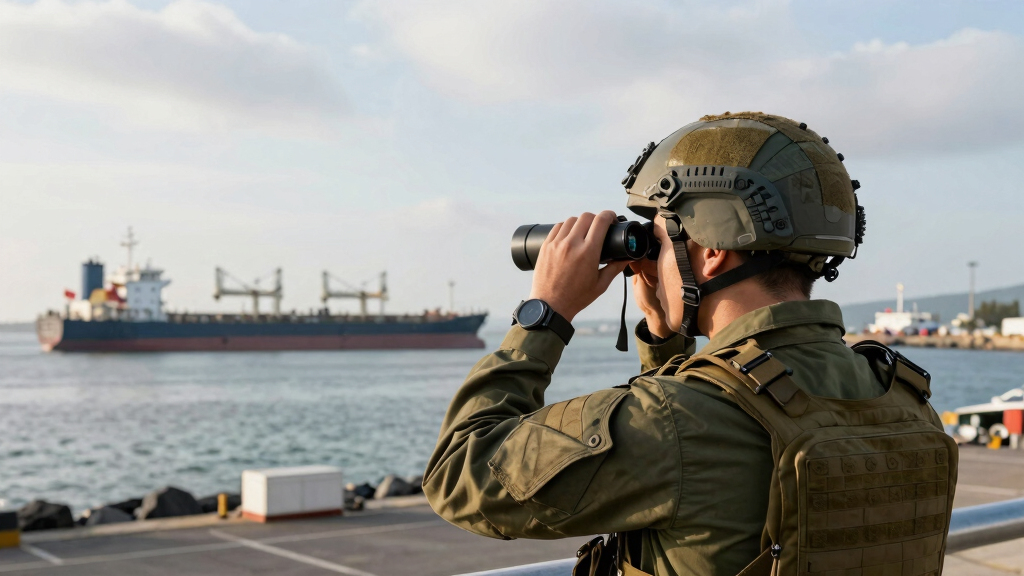
The United States conducted military strikes against Iranian targets near the Strait of Hormuz today, in response to Iran firing at commercial ships in the region. This escalation raises concerns about increased hostilities in a critical maritime corridor, which is vital for global oil transportation and regional stability.

Get travel and outdoor gear delivered free with Prime
- Fast, free delivery on millions of items
- Prime Video, Amazon Music and more included
- Member-only deals all year
According to U.S. officials, the strikes targeted Iranian military installations and naval assets close to the Strait of Hormuz. The operation was carried out in retaliation for Iran’s recent attack on commercial vessels, which the U.S. and allied nations have condemned. Iran has yet to officially confirm the strikes, and details about the specific targets and extent of damage are still emerging. The incident follows a series of recent maritime confrontations in the region, which have heightened tensions between Iran and the U.S., as well as regional allies.U.S. Defense Department spokesperson John Kirby stated, “The strikes were aimed at Iranian military infrastructure to deter further attacks on shipping in the region.” Meanwhile, Iranian officials have not issued an official statement on the U.S. action, but some sources suggest Iran may respond further. The situation remains fluid, with ongoing military and diplomatic assessments.
Implications for Regional Security and Global Oil Markets
This escalation underscores the fragile security situation in the Strait of Hormuz, a vital chokepoint for global oil supplies. Increased military activity raises the risk of wider conflict, potentially disrupting international energy markets and affecting global economic stability. The incident also signals a potential shift in U.S.-Iran relations, with possible repercussions for diplomatic negotiations and regional alliances.
Products Worth Considering

DJI Osmo Action 4 Essential Combo Waterproof Action Camera

GoPro HERO12 Black Waterproof Action Camera with 5.3K60 Video and 27MP Photos

GoPro HERO Compact Waterproof 4K Action Camera
As an affiliate, we earn on qualifying purchases.
Recent Maritime Tensions in the Strait of Hormuz
The Strait of Hormuz has long been a flashpoint for U.S.-Iran tensions, with previous incidents involving tanker seizures, military confrontations, and threats. Iran has periodically threatened to close the strait in response to sanctions and diplomatic pressures, while the U.S. has maintained a naval presence to ensure free passage. The recent attack on ships by Iran and the subsequent U.S. strikes mark a significant uptick in hostilities, following months of increased rhetoric and military posturing on both sides.
“The strikes were aimed at Iranian military infrastructure to deter further attacks on shipping in the region.”
— U.S. Defense Department spokesperson John Kirby
Unconfirmed Details and Potential for Further Escalation
It is not yet clear whether Iran will retaliate further or if diplomatic efforts will de-escalate the situation. The extent of damage caused by the U.S. strikes remains undisclosed, and Iran’s official response has not been issued. Analysts warn that further military actions could lead to broader regional conflict, but the precise trajectory of events is still uncertain.
Monitoring Diplomatic and Military Responses in Coming Days
The next steps include ongoing military assessments by both the U.S. and Iran, with diplomatic channels likely to be engaged to prevent further escalation. The U.S. has indicated it remains committed to protecting shipping lanes, while Iran may choose to respond militarily or diplomatically. International actors, including regional allies and global powers, are closely watching the developments for signs of escalation or de-escalation.
Key Questions
Why did the U.S. strike Iranian targets?
The U.S. conducted the strikes in retaliation for Iran firing at ships near the Strait of Hormuz, aiming to deter further attacks on maritime traffic.
What targets did the U.S. hit in Iran?
U.S. officials say the strikes targeted Iranian military installations and naval assets near the Strait, but specific details have not been confirmed.
Could this lead to a wider conflict?
There is concern that further military actions could escalate regional tensions, but it is currently unclear whether Iran will retaliate or seek diplomatic solutions.
Has Iran responded officially?
No official statement from Iran has been issued regarding the U.S. strikes as of now, and the situation remains fluid.
What is the significance for global oil supplies?
The Strait of Hormuz is a key route for nearly a third of the world’s oil trade. Increased tensions and potential conflict threaten to disrupt energy markets and impact global prices.
Source: google-trends