TL;DR

Get travel and outdoor gear delivered free with Prime
- Fast, free delivery on millions of items
- Prime Video, Amazon Music and more included
- Member-only deals all year
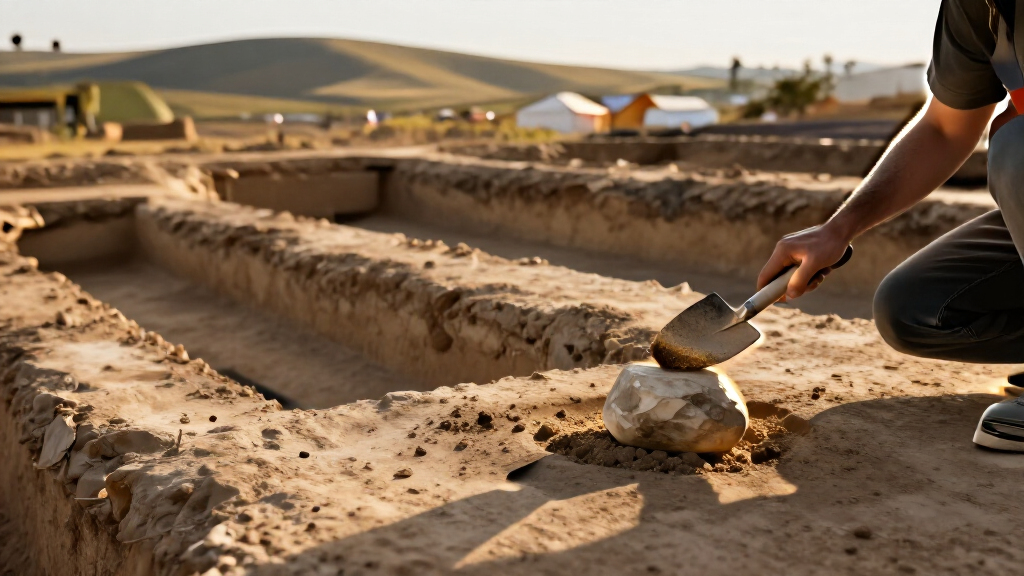
Ukraine has named five Russian archaeologists as suspects in absentia in war-crime investigations linked to excavations in Russian-occupied Crimea, BBC Russia reported, citing prosecutorial and court documents. Investigators allege the work at the medieval site of Solkhat damaged archaeological layers and enabled the appropriation of Ukrainian cultural heritage; the suspects have not been convicted.
Ukraine is investigating five Russian archaeologists as suspects in absentia in war-crime cases over excavations in Russian-occupied Crimea, BBC Russia reported on October 14, citing prosecutorial and court documents. Ukrainian investigators allege that work at the medieval site of Solkhat damaged the site and helped transfer archaeological finds into Russian state collections; the allegations have not been tested in court.
BBC Russia identified two of the five suspects: Mark Kramarovsky, an 86-year-old archaeologist who founded the Solkhat excavation in 1978 and has led it since, and Emil Seydaliev, a senior researcher at the Institute of Archaeology of Crimea. BBC did not name the other three scientists. Ukrainian outlet Graty reported in August that Kramarovsky and Seydaliev had been formally designated as suspects.
Ukrainian investigators allege that the archaeologists carried out illegal excavations, assisted Russia in appropriating objects recovered from the site in breach of international humanitarian law, and caused irreversible damage to its archaeological cultural layer. Those are prosecutors’ claims, not findings of guilt.
According to BBC Russia, the excavation has operated with permits issued by Moscow since 2014. Finds have been transferred to the Crimean Tatar Museum of Cultural and Historical Heritage, which was established by Russian authorities, and entered into Russia’s museum fund. Ukrainian prosecutors say this amounts to the illegal appropriation of Ukrainian cultural heritage.
How the Case Targets Cultural Property
The investigation concerns more than whether archaeological work was properly authorized. Ukraine’s case focuses on the removal and state registration of finds from territory it regards as occupied, and on alleged damage to the site itself. The classification as a war-crime investigation places those allegations within the legal framework governing conduct in occupied territory.
For cultural institutions and researchers, the dispute highlights how excavations, permits, and museum transfers can become part of a broader conflict over who has authority over heritage in occupied areas. The case also illustrates the practical limits of prosecution when suspects are outside Ukraine: designation as a suspect or authorization for an in-absentia investigation does not itself amount to a trial or conviction.
As an affiliate, we earn on qualifying purchases.
Solkhat Excavations Since 2014
Solkhat is a medieval archaeological site in Crimea. Kramarovsky established the excavation there in 1978, decades before Russia occupied and annexed the peninsula in 2014. Since that year, according to BBC Russia, the project has received permits from Moscow, while recovered objects have been placed in a museum created by the Russian authorities and recorded in Russia’s museum fund.
The Solkhat investigation comes amid other Ukrainian cases concerning archaeological work in occupied Crimea. In December 2025, Polish security services detained Russian archaeologist Alexander Butyagin, who had led excavations at the ancient site of Myrmekion near present-day Kerch since 1999. Ukraine sought his extradition, alleging illegal post-2014 excavations and damage to a cultural heritage site. Poland handed him to Russia in an exchange in April 2026.
After Butyagin’s release, Ukrainian authorities reclassified his case as a war crime involving the alleged looting of national treasures in occupied territory by prior conspiracy. A Kyiv court authorized an in-absentia investigation under the new charge, BBC Russia reported. That case is separate from the investigation into the five archaeologists.
““illegal appropriation of Ukrainian cultural heritage””
— Ukrainian prosecutors, as quoted in the reporting
As an affiliate, we earn on qualifying purchases.
Evidence, Responses and Trial Status
The reported material does not specify the identities of the three unnamed suspects, the precise charges or procedural status for each of the five, or when any further court action may occur. The available account also does not provide a detailed inventory of the excavated objects or independent assessments of the alleged damage to Solkhat.
The allegations remain unproven. The source material does not report a response from Kramarovsky or the other three scientists, nor does it say whether any of the five are in Ukrainian custody or likely to appear before a court. The facts and legal claims should not be treated as a judicial finding.
As an affiliate, we earn on qualifying purchases.
Next Steps in Ukraine’s Investigation
Ukrainian investigators and prosecutors may pursue evidence and further legal proceedings, but the report gives no announced timetable for charges to be heard in court. Because the suspects have been designated in absentia, any prosecution will depend on the applicable Ukrainian procedures and on whether the individuals can be brought before a court.
Further reporting may clarify the identities and roles of all five suspects, the specific evidence concerning the Solkhat excavations, and whether prosecutors seek additional court orders. Until then, the confirmed development is the reported investigation and suspect designations—not a conviction or a final determination of what happened to the site’s finds.
As an affiliate, we earn on qualifying purchases.
Key Questions
Who are the Russian archaeologists named in the report?
BBC Russia named Mark Kramarovsky and Emil Seydaliev. It reported that five archaeologists are under investigation but did not identify the other three.
What do Ukrainian investigators allege?
Investigators allege illegal excavations at Solkhat, damage to the site’s archaeological cultural layer, and assistance in transferring finds into Russian collections. These remain allegations, not proven findings.
Have the five archaeologists been convicted?
No conviction is reported. The five have been designated as suspects in absentia in war-crime investigations; that status is not a finding of guilt.
What happened to the finds from Solkhat?
BBC Russia reported that objects from the excavation were transferred to the Crimean Tatar Museum of Cultural and Historical Heritage, established by Russian authorities, and entered into Russia’s museum fund. Ukrainian prosecutors describe this as illegal appropriation.
What is known about the next court steps?
The report gives no hearing date or timetable for the five-person investigation. It is also unclear whether the suspects are in custody or could appear before a Ukrainian court.
Source: rss
Fall Picks
fall essentials
As an affiliate, we earn on qualifying purchases.