
TL;DR
The United States has carried out fresh military strikes targeting Iran and has reinstated a naval blockade in the region. These actions represent a major escalation amid ongoing tensions. The full scope and impact are still developing.
The United States has launched new military strikes against Iran and has resumed a naval blockade in the Persian Gulf region. These actions, confirmed by US defense officials, mark a significant escalation in the ongoing tensions between the two countries, with potential implications for regional stability and international security.
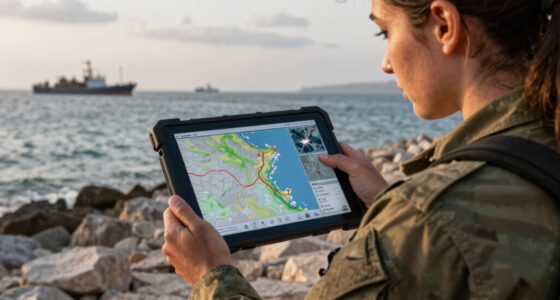
US military sources confirmed that the strikes targeted Iranian military facilities in southern Iran early this morning, citing recent intelligence indicating increased threats to US personnel and interests in the region. The strikes reportedly involved precision missile attacks, with no immediate reports of casualties. Simultaneously, the US Central Command announced the reactivation of a naval blockade that restricts Iranian shipping in strategic waterways, a move that had been temporarily eased earlier this year.
Officials from CENTCOM stated that the blockade aims to prevent Iran from smuggling weapons and military equipment, asserting that the measure is necessary to maintain regional security. The US government has not specified whether these actions are connected to recent diplomatic efforts or are part of a broader military campaign. Iran has condemned the strikes and the blockade, calling them acts of aggression and vowing retaliation.
International reactions are mixed, with some allies expressing concern over escalation, while others support the US’s stance on countering Iran’s regional activities. The United Nations has called for de-escalation and dialogue, but no formal resolutions have been issued at this stage.
The recent US strikes and the resumption of the naval blockade significantly escalate tensions in the Persian Gulf and surrounding regions. These measures could lead to increased military confrontations, disrupt global oil shipping routes, and influence diplomatic relations with Iran and other regional actors. The actions also signal a potential shift toward more aggressive US policies in the Middle East, which could impact international efforts to prevent broader conflict.
As an affiliate, we earn on qualifying purchases.
Recent Escalations in US-Iran Tensions and Regional Dynamics
Over the past year, tensions between the US and Iran have risen due to disputes over nuclear programs, regional influence, and military presence. The US has previously conducted targeted strikes against Iranian-backed militias in Iraq and Syria. The naval blockade was temporarily lifted earlier this year but has now been reinstated amid signs of increased Iranian military activity and intelligence reports suggesting imminent threats.
The current actions follow a series of incidents, including drone attacks on US military assets and Iranian claims of retaliatory strikes. Diplomatic efforts have largely stalled, with both sides blaming each other for provoking conflict. The US has emphasized its right to defend its interests, while Iran accuses the US of aggression and interference.
“The strikes targeted key Iranian military infrastructure in response to credible threats against US personnel in the region.”
— US Defense Official
As an affiliate, we earn on qualifying purchases.
Unconfirmed Details and Potential Escalation Risks
It is not yet clear whether the US intends to escalate military operations further or if diplomatic channels might still prevent broader conflict. The full scope of the naval blockade’s impact on Iranian shipping and regional stability remains uncertain, as does Iran’s potential response. International reactions are still forming, and the situation could evolve rapidly.
military-grade drone detection system
As an affiliate, we earn on qualifying purchases.
As an affiliate, we earn on qualifying purchases.
Next Steps in US-Iran Tensions and Regional Security
Diplomatic efforts are expected to continue, but military tensions are likely to persist in the short term. The US may conduct additional strikes or enforcement actions, while Iran could respond with military or cyber operations. International actors, including the UN and regional allies, are likely to call for de-escalation, but the situation remains highly volatile.
As an affiliate, we earn on qualifying purchases.
Key Questions
Why did the US launch these strikes now?
The US cited credible threats against its personnel and interests in the region as the reason for the recent military actions.
What is the purpose of the naval blockade?
The blockade aims to prevent Iran from smuggling weapons and military equipment through strategic waterways, thereby reducing regional threats.
Could this lead to a wider conflict?
Yes, the escalation increases the risk of broader military confrontation, especially if Iran responds with retaliatory actions or if other regional actors become involved.
Has Iran responded officially to these actions?
Iran has condemned the strikes and the blockade, calling them acts of aggression and warning of potential retaliation.
What are the international reactions so far?
Reactions are mixed, with some countries urging restraint and others supporting US efforts to counter Iran’s regional activities. The UN has called for de-escalation but has not taken formal action.
Source: google-trends