
TL;DR

Get travel and outdoor gear delivered free with Prime
- Fast, free delivery on millions of items
- Prime Video, Amazon Music and more included
- Member-only deals all year
Wildfires are spreading across Canada, with authorities reporting significant fire activity. Smoke from these fires is forecasted to reach the US Midwest and East Coast, raising health concerns. The situation remains dynamic, with ongoing firefighting efforts and weather conditions influencing developments.
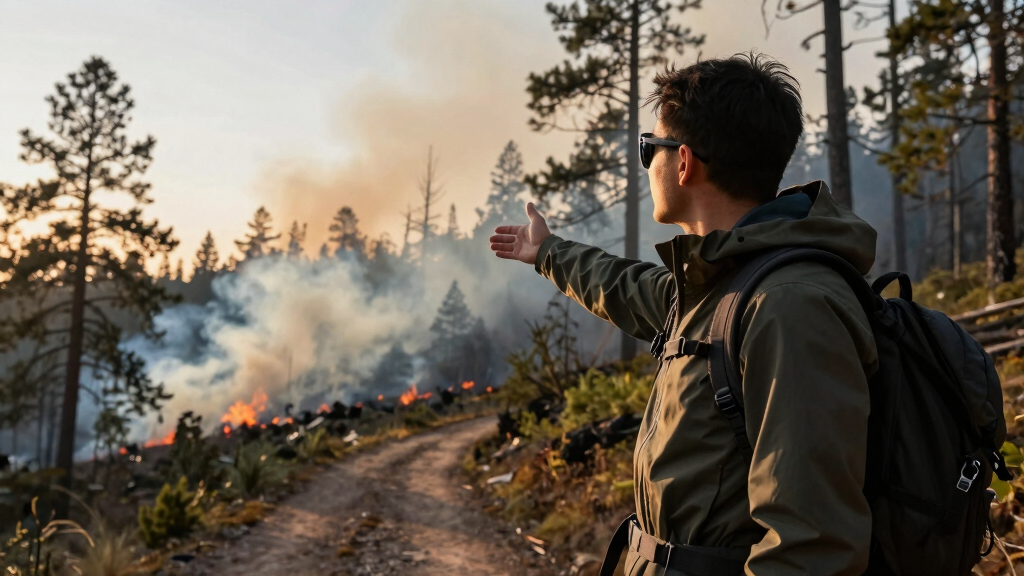
Wildfires are currently raging across multiple regions in Canada, with authorities reporting extensive fire activity. The resulting smoke is forecasted to reach the US Midwest and East Coast this week, raising concerns over air quality and public health impacts for millions of residents.
Canadian wildfire agencies have confirmed that several large fires are burning across provinces including Alberta, British Columbia, and Quebec. These fires have led to evacuations in affected communities and strained firefighting resources. Meteorological forecasts indicate that strong winds and specific atmospheric conditions will carry smoke southward into the US Midwest and East Coast, with air quality alerts issued in several US states.
Officials from the Canadian Wildfire Service have stated that the fires are driven by ongoing dry conditions and high temperatures, which have persisted through the summer. The smoke is expected to cause hazy conditions, reduce visibility, and pose health risks, especially for vulnerable populations such as children, the elderly, and those with respiratory issues. The US Environmental Protection Agency (EPA) has issued air quality advisories for several states, warning residents to limit outdoor activities.
Why the Canadian Wildfires and Smoke Spread Matter
This development is significant because the smoke can impact air quality across a large portion of the US, potentially leading to health emergencies and increased hospital visits. The fires themselves also highlight ongoing climate-related challenges, including prolonged droughts and heatwaves that exacerbate wildfire risks. Additionally, the situation tests firefighting resources in both Canada and the US, emphasizing the need for coordinated response efforts and preparedness for future wildfire seasons.
As an affiliate, we earn on qualifying purchases.
Background on Canada’s Wildfire Season and Smoke Impact
Canada has experienced an unusually severe wildfire season this year, with over 2,000 fires reported across multiple provinces as of late August. Climate data shows that higher temperatures and lower precipitation levels have contributed to the fire spread. Historically, smoke from Canadian wildfires has occasionally reached US regions, but this year’s extent and intensity are notable. Past incidents, such as the 2021 wildfire season, also saw smoke crossing borders, but current forecasts suggest a broader and more sustained impact.
“We are monitoring the smoke movement closely and have issued air quality alerts for several states. Residents should stay informed and take precautions.”
— EPA air quality official
As an affiliate, we earn on qualifying purchases.
Uncertainties About Fire Progress and Smoke Trajectory
It is not yet clear how long the fires will continue to spread or whether weather conditions will change to help contain them. The precise extent and duration of smoke impact on US regions remain uncertain, as atmospheric conditions could shift. Firefighting efforts are ongoing, but the situation remains fluid, with potential for further escalation or containment depending on weather and resource availability.
As an affiliate, we earn on qualifying purchases.
Next Steps in Firefighting and Air Quality Monitoring
Authorities in Canada and the US will continue firefighting operations, with updates expected as weather forecasts evolve. Air quality monitoring will remain active, and health agencies will issue further advisories if conditions worsen. Residents in affected US states should stay alert to official guidance and prepare for possible extended smoke exposure. Cross-border coordination efforts are also likely to intensify to address the ongoing wildfire crisis.
respiratory masks for wildfire smoke
As an affiliate, we earn on qualifying purchases.
As an affiliate, we earn on qualifying purchases.
Key Questions
How long will the smoke impact last in US regions?
The duration is uncertain and depends on weather conditions and fire containment efforts. Experts suggest it could last several days or longer if fires persist.
What health precautions should residents take?
Residents should limit outdoor activities, use air purifiers if available, and follow guidance from local health authorities, especially if experiencing respiratory issues.
Are the Canadian wildfires expected to worsen?
Fire officials indicate that conditions remain dry and hot, which could lead to further fire spread. Ongoing weather forecasts will influence the fire outlook.
Will there be international assistance for firefighting?
Canada has mobilized its firefighting resources, and there are reports of potential international aid if needed, but specifics are still emerging.
Source: google-trends
Halloween Picks
halloween
As an affiliate, we earn on qualifying purchases.