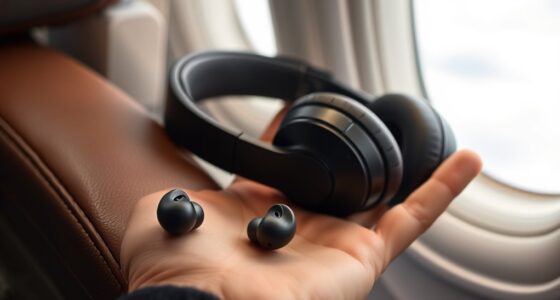
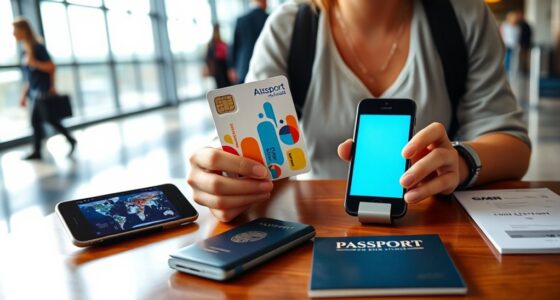
When traveling with a CPAP or medical device, contact your airline beforehand to confirm their policies and request any necessary documentation from your healthcare provider. Pack your device and accessories in your carry-on, using a sturdy case, and bring extra batteries if needed. Inform security personnel about your device early, and be prepared to show documentation if asked. Staying informed about regulations guarantees a smoother trip—continue to explore tips that make travel easier.

Get travel and outdoor gear delivered free with Prime
- Fast, free delivery on millions of items
- Prime Video, Amazon Music and more included
- Member-only deals all year
Key Takeaways
- Contact your airline in advance to confirm their policies on carrying CPAP or medical devices.
- Keep your device in your carry-on with all accessories and a healthcare provider letter for smooth security checks.
- Inform TSA agents about your device before screening and be prepared to remove it if asked.
- Carry extra lithium batteries in your carry-on, and verify airline regulations for battery transport.
- Arrive early, communicate clearly with security personnel, and review current airline policies for a stress-free trip.

Are you worried about how to travel safely with your medical devices? If you rely on a CPAP machine or other medical equipment, understanding airline policies is essential to ensure smooth travel. Airlines have specific rules to guarantee device safety and passenger comfort, so knowing these guidelines helps prevent delays or complications at the airport. Most airlines consider medical devices like CPAP machines as necessary medical equipment, which means you’re entitled to carry them onboard without extra charges. However, it’s important to prepare ahead by contacting your airline in advance to confirm their policies and any documentation they might require. Having a letter from your healthcare provider explaining your need for the device can be very helpful and streamline security checks. When it comes to device safety, airlines typically allow you to keep your CPAP or other essential devices in your carry-on luggage, rather than checking them in. This way, you can ensure the device remains in your control and is protected from rough handling. Be sure to pack your device carefully, using a sturdy, padded bag or case designed for your equipment, and bring any necessary accessories like power cords or batteries. If your device requires power, check whether your airline or flight offers power outlets or if you need to bring extra batteries. Lithium batteries, common in CPAP devices, have specific regulations, so make sure to carry them in your carry-on and not checked baggage. It’s also wise to arrive at the airport with plenty of time to go through security. At security checkpoints, inform the TSA agents about your device before screening begins. You might be asked to remove the machine from your bag and pass it through the x-ray machine separately, but you’re generally allowed to keep it in your carry-on during screening. If your device alarms or triggers security measures, calmly explain that it’s a medical device, and show any documentation you have. Remember, device safety isn’t just about the device itself but also about your comfort and peace of mind. Following airline policies, arriving prepared, and communicating clearly with security personnel will help you travel with minimal stress. Additionally, adhering to security regulations can prevent unexpected delays or issues during screening. Always double-check the latest regulations before your trip, as airline policies can change, and different airlines may have specific requirements. By taking these steps, you can ensure that your medical device remains safe and functional throughout your journey, allowing you to focus on enjoying your trip without worry.
As an affiliate, we earn on qualifying purchases.
Frequently Asked Questions
Can I Use My CPAP During In-Flight Sleep?
Yes, you can use your CPAP during in-flight sleep. To guarantee sleep comfort, bring your device in its carry-on and use a power bank or airline power supply if available. Remember to keep your device clean and well-maintained before the flight. Using your CPAP on the plane helps you stay comfortable and rested, making your journey more pleasant. Just follow airline rules and your device’s instructions for safe use.
Are There Size Restrictions for Carrying Medical Devices on Planes?
Absolutely, your medical device’s size usually won’t break the airline baggage policies! Airlines understand the importance of medical devices, so they typically allow larger carry-ons or special accommodations. Just check the medical device regulations beforehand and notify the airline. No need to worry about strict size restrictions—your device often gets special treatment. Be prepared to show documentation, and you’re all set to travel smoothly with your essential equipment!
Do I Need to Declare My Medical Device at Security?
Yes, you need to declare your medical device at security. When going through security, inform the TSA officers about your device, and have your passport and any necessary medical documentation ready, especially for international travel. This helps guarantee smooth passage through security. Always check specific airline rules and international regulations beforehand, as requirements can vary. Proper declaration prevents delays and ensures your device is safely transported without issues.
How Should I Pack My Medical Device for Travel?
You should pack your medical device with your travel accessories, making sure it’s well-protected. Use a dedicated case or padded bag to prevent damage, and carry it in your carry-on to keep it accessible and safe. Packing tips include labeling your device, bringing extra batteries or power cords, and keeping it with your essentials. This way, you guarantee your device stays secure and ready for use throughout your trip.
What Should I Do if My Device Malfunctions During a Flight?
If your device malfunctions during a flight, stay calm and try device troubleshooting first, such as checking connections or power sources. If you can’t fix it, alert a flight attendant immediately for emergency assistance. They can help you find a solution or provide backup options. Remember to carry a backup battery or spare parts, so you’re prepared for any device issues mid-flight. Your safety and comfort depend on quick action.
airline approved lithium batteries for CPAP
As an affiliate, we earn on qualifying purchases.
As an affiliate, we earn on qualifying purchases.
Conclusion
Traveling with your medical device is like carrying a trusted compass—it guides you safely through unfamiliar skies. With the right preparations and airline rules in mind, you hold the power to navigate your journey smoothly. Remember, your device isn’t just equipment; it’s your steady lighthouse in the storm. Embrace it as a symbol of your resilience, and let it light your way to new adventures, one safe step at a time.
medical device travel documentation holder
As an affiliate, we earn on qualifying purchases.
As an affiliate, we earn on qualifying purchases.
As an affiliate, we earn on qualifying purchases.
Fall Picks
fall essentials
As an affiliate, we earn on qualifying purchases.