
TL;DR

Get travel and outdoor gear delivered free — and shop member deals
- Fast, free delivery on millions of items
- Access to Prime Big Deal Days deals on October 6–7
- Prime Video, Amazon Music and more included
Sweden maintains a network of over 200 secret cabins, accessible free of charge on a first-come, first-served basis. These historic and rustic dwellings are part of the country’s tradition of public access to nature. The discovery of this network highlights Sweden’s commitment to outdoor culture and preservation.
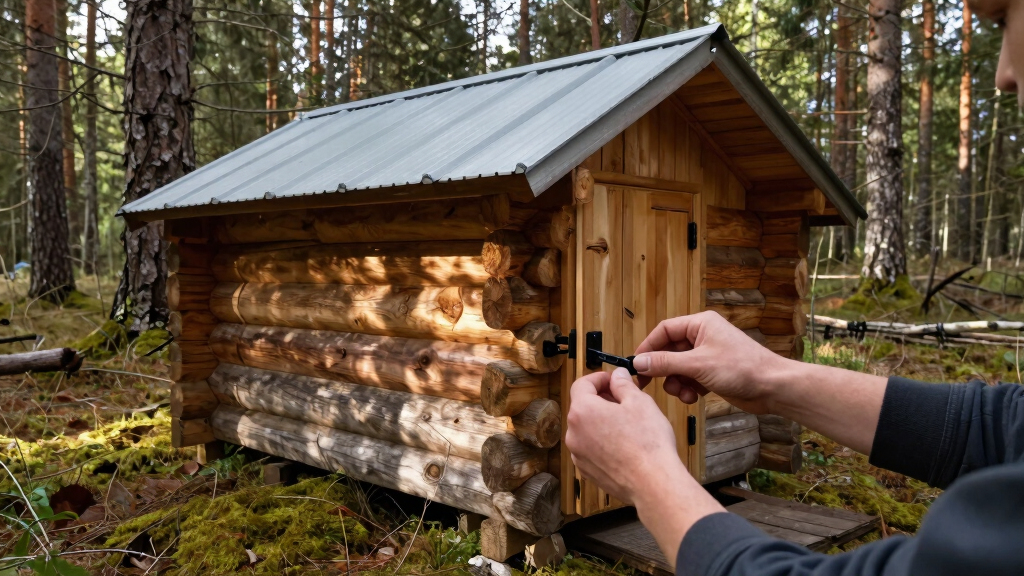
Sweden has a network of over 200 secret cabins and cottages that anyone can stay in for free, a discovery that underscores the country’s long-standing tradition of public access to nature. These dwellings, often historic and rustic, are scattered across the countryside and are accessible on a first-come, first-served basis, with no prior reservation required. This network, largely unknown even to many Swedes, offers a unique glimpse into the country’s cultural heritage and outdoor lifestyle.
The cabins vary from primitive forest huts to well-preserved 19th-century cottages, many originally used as logging or hunting lodges. They are maintained by local organizations, government bodies, or private owners, and some are protected as cultural monuments. The cabins are generally unmodernized, with amenities ranging from basic to cozy, and visitors are expected to bring their own food, bedding, and supplies, respecting the principle of Allemansrätten, Sweden’s right of public access.
Historian Kjell Vowles and photographer Moa Karlberg first documented these cabins in their 2017 book Stuglandet. Since then, interest has grown among outdoor enthusiasts like Erika Åhlund, who has visited over 50 cabins, often finding stories or historical artifacts left by previous visitors. The cabins are typically open in spring, summer, and autumn, with some located within national parks or along popular hiking trails, such as the UNESCO-listed High Coast or Kalmar County’s scenic routes.
Why It Matters
This discovery highlights Sweden’s unique outdoor culture rooted in the principle of Allemansrätten, which grants everyone the right to access and enjoy nature. The cabins serve as cultural and historical touchstones, offering free, immersive experiences in Sweden’s natural landscape. Their preservation and accessibility underscore the country’s commitment to outdoor recreation, environmental stewardship, and cultural heritage, making them a valuable resource for both locals and visitors.
As an affiliate, we earn on qualifying purchases.
Background
Sweden’s tradition of Allemansrätten, established centuries ago, allows public access to private land for recreation, including camping and hiking. While the country is known for its extensive outdoor spaces, the recent revelation of this network of over 200 secret cabins adds a new dimension to its outdoor accessibility. Historically, many of these structures were used for logging, hunting, or summer retreats, and some have remained largely unchanged for decades. The first comprehensive guide to these cabins was published in 2017, but their full extent has only recently come to light.
“Many of these cabins were abandoned or donated to local organizations, and they have been kept open for visitors, often in remote locations.”
— Kjell Vowles
“There is often a story behind each cabin, with newspaper clippings or carvings. One was a gift to the Swedish king for his fiftieth birthday.”
— Erika Åhlund
“Allemansrätten allows everyone to explore nature freely, and these cabins are an extension of that tradition.”
— Josefin Haraldsson
As an affiliate, we earn on qualifying purchases.
What Remains Unclear
Details about the exact number of cabins, their current condition, and ownership vary, as many are maintained privately or by local organizations. It is not yet clear how many remain actively maintained or how accessible all of them are during different seasons. Additionally, the full extent of the network has only recently been revealed, so ongoing efforts to document and preserve these sites are still developing.
sleeping bag for outdoor camping
As an affiliate, we earn on qualifying purchases.
As an affiliate, we earn on qualifying purchases.
What’s Next
Authorities and preservation groups are expected to formalize the documentation of these cabins and possibly develop guidelines for their maintenance and accessibility. Further research and mapping are likely, potentially leading to official recognition or protections. Increased public awareness may also lead to more visitors exploring these historic sites, prompting discussions about conservation and sustainable use.
As an affiliate, we earn on qualifying purchases.
Key Questions
Can I reserve these cabins in advance?
No, the cabins cannot be booked in advance. They are available on a first-come, first-served basis, and visitors simply show up and find a spot to stay.
What amenities do the cabins typically have?
amenities vary from basic, rustic structures with no running water to more equipped cottages with beds, fireplaces, and some basic furniture. Visitors should bring their own food, bedding, and supplies.
Are all cabins open year-round?
Most cabins are open in spring, summer, and autumn. Some are located within national parks and may be accessible year-round, but conditions can vary with the seasons.
Who owns or maintains these cabins?
Ownership varies; some are managed by local history societies, government agencies like the County Administrative Board, or private individuals. Many are preserved as cultural monuments.
Is staying in these cabins environmentally sustainable?
Yes, since they are generally rustic and require visitors to bring their own supplies, staying in these cabins aligns with Sweden’s principles of sustainable outdoor recreation and minimal impact.
Halloween Picks
halloween
As an affiliate, we earn on qualifying purchases.