
TL;DR

Get travel and outdoor gear delivered free with Prime
- Fast, free delivery on millions of items
- Prime Video, Amazon Music and more included
- Member-only deals all year
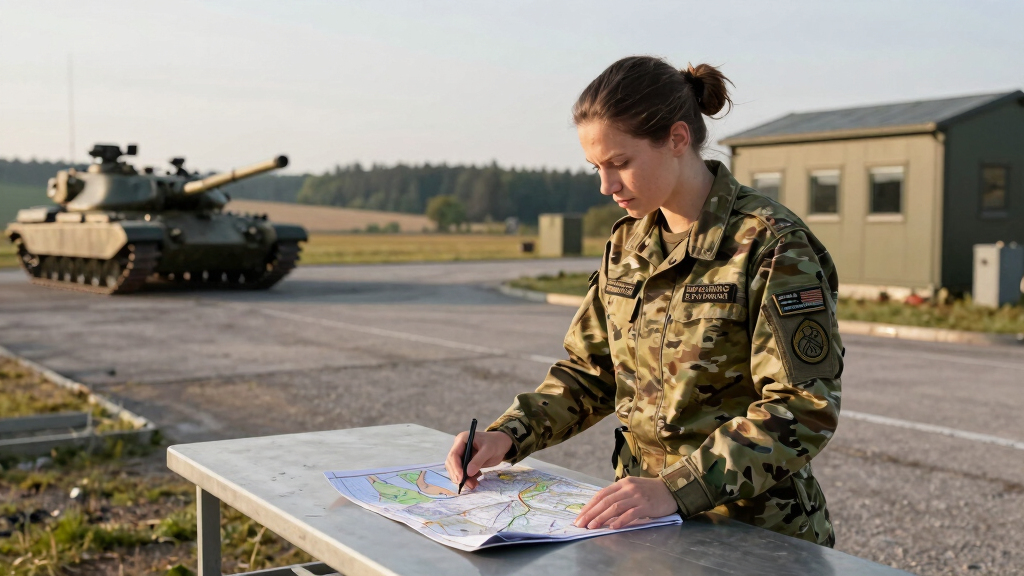
The U.S. is reducing its troop presence in Germany by 5,000 soldiers, primarily from Ramstein and surrounding bases. This move signals a significant shift in U.S.-Europe relations and has profound social, economic, and strategic consequences, though some details remain uncertain.
The United States has begun a phased withdrawal of 5,000 troops from Germany, a move confirmed by Pentagon officials that marks a significant shift in U.S. military presence in Europe. This reduction, expected to unfold over the next year, has broad implications for regional security, economic stability in local communities, and the long-standing cultural ties between the U.S. and Germany.
U.S. officials confirmed that the initial 5,000 troops will primarily be withdrawn from bases in Vilseck and Grafenwoehr, key strategic hubs in Bavaria. The Pentagon has indicated that the overall troop presence in Germany could decrease substantially, possibly leading to a significant reduction in the roughly 50,000 Americans currently stationed in the country, including military personnel, civilian employees, and their families.
While U.S. officials describe the move as a strategic realignment aimed at better global positioning and resource allocation, critics argue it signifies a cultural and political rupture. The withdrawal affects not only military logistics but also the social fabric of local communities that have depended on the American military presence for decades. Many German workers at Ramstein Air Base and surrounding facilities face job insecurity, and local businesses that catered to American personnel are expected to close or scale back operations.
Why It Matters
This troop withdrawal is more than a military realignment; it symbolizes the end of an 80-year era of American influence and cultural integration in Germany. The presence of American bases fostered deep social ties, economic stability, and a shared sense of community that now faces erosion. The move could weaken the transatlantic alliance, diminish U.S. influence in Europe, and alter local economies, especially in Rheinland-Pfalz and Hessen regions.
Strategically, the reduction may impact NATO’s posture and regional security dynamics, potentially creating a vacuum that could be exploited by external actors or lead to increased European reliance on their own defense capabilities. It also signals a shift in U.S. foreign policy priorities toward the Indo-Pacific, raising questions about the future of European security cooperation.
As an affiliate, we earn on qualifying purchases.
Background
U.S. troop presence in Germany has been a cornerstone of Western security since the end of World War II, with around 50,000 Americans stationed across key bases like Ramstein, Wiesbaden, and Grafenwoehr. The current drawdown follows President Biden’s announcement earlier this year, amid broader debates over NATO burden-sharing and shifting U.S. strategic focus to Asia. Historically, the U.S. military presence fostered significant social and economic integration in host communities, creating a ‘Little America’ culture that shaped regional identity for generations.
Previous U.S. administrations have periodically debated troop levels in Europe, but the current move is notable for its scale and the explicit aim of reducing permanent bases. Critics argue that this signals a move away from long-term commitments, while supporters claim it reflects a necessary strategic reorientation.
“The phased reduction of troops in Germany aligns with our strategic priorities and resource reallocation efforts.”
— U.S. Pentagon spokesperson
“This withdrawal is devastating for our local economy and social fabric; it’s the end of an era for many families.”
— Local German community leader
As an affiliate, we earn on qualifying purchases.
What Remains Unclear
It remains unclear how quickly the remaining troop levels will be adjusted beyond the initial 5,000, and whether the U.S. plans to establish rotational forces or entirely relocate troops elsewhere. The long-term geopolitical consequences for NATO cohesion and European security are also still unfolding, with some experts questioning whether European allies will compensate for the reduced U.S. presence.
European travel adapter with USB ports
As an affiliate, we earn on qualifying purchases.
As an affiliate, we earn on qualifying purchases.
What’s Next
Over the coming months, the U.S. military will complete the phased withdrawal, with final troop levels and strategic arrangements to be clarified. Discussions among NATO allies on regional security adjustments are expected to intensify. Local communities will monitor economic impacts, and policymakers will evaluate the broader implications for transatlantic relations.
military-grade portable power bank
As an affiliate, we earn on qualifying purchases.
As an affiliate, we earn on qualifying purchases.
Key Questions
Why is the U.S. withdrawing troops from Germany now?
The U.S. cites strategic realignment and resource reallocation as reasons, with officials emphasizing a shift toward the Indo-Pacific. Critics see it as a move to reduce commitments in Europe amid broader geopolitical changes.
How will this affect regional security in Europe?
The reduction could create a security vacuum, potentially prompting European countries to increase their own defense efforts or seek new alliances. NATO officials are assessing how to maintain stability and deterrence.
What will happen to the local communities dependent on U.S. bases?
Many local businesses and workers face economic hardship as bases close or reduce operations. The social fabric of towns like Kaiserslautern and Wiesbaden is expected to change significantly.
Will the U.S. establish new bases elsewhere in Europe?
There are no confirmed plans for new permanent bases in Europe; the U.S. appears to favor rotational forces or shifting focus to other regions, though details remain unclear.
Could this move weaken the U.S.-Germany relationship?
The withdrawal risks diminishing long-standing cultural and strategic ties, potentially leading to increased skepticism about U.S. commitments among German policymakers and citizens.
Halloween Picks
halloween
As an affiliate, we earn on qualifying purchases.