Travel burnout is real and can sneak up on you, leaving you exhausted and irritable. You’ll notice signs like persistent fatigue, loss of interest, headaches, or trouble sleeping. To overcome it, take breaks, prioritize rest, stay hydrated, and focus on meaningful experiences instead of trying to do everything. Setting boundaries and allowing downtime helps you recharge and enjoy your trip more fully. Keep exploring to discover how you can better manage travel stress and stay energized.
Key Takeaways
- Recognize signs like fatigue, irritability, sleep issues, and loss of interest to identify travel burnout early.
- Prioritize rest, hydration, nutritious meals, and gentle exercise to replenish energy during trips.
- Set boundaries by choosing key experiences, declining overload, and communicating needs with travel companions.
- Incorporate downtime, such as relaxing breaks or journaling, to prevent exhaustion and promote mental resets.
- Focus on well-being to enjoy sustainable, fulfilling travel and avoid feeling drained or overwhelmed.

Travel Burnout
If you’ve been traveling frequently or for extended periods, you might start feeling exhausted despite the excitement of new destinations. Travel burnout isn’t just about missing home; it’s a real phenomenon that saps your energy and dampens your enthusiasm. When every day involves new sights, unfamiliar routines, and constant movement, it’s easy to become overwhelmed. Recognizing these signs early is essential. You may notice persistent fatigue, irritability, or a lack of interest in activities that once thrilled you. Physical symptoms like headaches, muscle tension, or trouble sleeping are also common indicators. The key to overcoming this burnout lies in restoring energy and learning to set boundaries.
Travel exhaustion is real—listen to your body and set boundaries to stay energized and enjoy your journey.
Restoring energy isn’t about pushing through fatigue but about giving yourself permission to pause. You need to listen to your body and mind, allowing time for rest and recovery. It could be as simple as taking a day off from sightseeing or staying in one place longer to relax. Prioritize sleep, nutritious meals, and hydration, which are often neglected during travel. Incorporate gentle exercise like walking or stretching to boost your energy levels naturally. Remember, you don’t have to squeeze in every attraction; quality over quantity helps preserve your stamina. Additionally, paying attention to your fuel consumption can help you plan more sustainable trips and avoid unnecessary exhaustion.
Setting boundaries is equally important. Amidst the desire to see everything, you might feel pressured to keep up a relentless pace. Resist the urge to overcommit yourself. Decide what’s truly important to see or experience, and be okay with skipping some activities. Communicate your needs to travel companions if you’re not traveling solo. It’s okay to decline invitations or opt for quieter moments of solitude. Boundaries also include managing your screen time and social media use, which can add to stress and feelings of inadequacy. By establishing clear limits, you protect your mental health and prevent exhaustion from creeping in.
Additionally, make room for downtime in your travel itinerary. Even busy trips benefit from moments of calm—whether it’s enjoying a coffee in a local café, journaling, or simply people-watching. These pauses help you reset mentally and emotionally. Remember, travel isn’t a race; it’s an experience meant to enrich and rejuvenate you. When you prioritize your well-being by restoring energy and setting boundaries, you’ll find that your trips become more enjoyable and sustainable. You’ll leave feeling invigorated rather than drained, ready to embrace new adventures with renewed enthusiasm. Managing travel burnouts isn’t about stopping your journey but about making it healthier and more fulfilling for you.

napfun Neck Pillow for Traveling, Upgraded Travel Neck Pillow for Airplane 100% Pure Memory Foam Travel Pillow for Flight Headrest Sleep, Portable Plane Accessories, Light Grey
CHIN SUPPORT TRAVEL NECK PILLOW – This airplane pillow can better wrap your neck and free your chin,…
As an affiliate, we earn on qualifying purchases.
As an affiliate, we earn on qualifying purchases.
Frequently Asked Questions
Can Travel Burnout Happen to Weekend Travelers?
Yes, travel burnout can happen to weekend travelers. Even with a short trip or weekend getaway, you might feel exhausted or overwhelmed if you push yourself too hard or don’t give yourself enough downtime. It’s important to balance activity with relaxation during your trip. Listen to your body, take breaks, and don’t over-schedule. That way, you can enjoy your short trip without risking burnout, feeling refreshed instead.
What Are Early Signs of Travel Burnout?
Feeling like a knight without a quest? That’s a sign of travel burnout. You might notice restless fatigue and enthusiasm dips, even during exciting trips. You could feel irritable, overwhelmed, or just want to stay in bed instead of exploring. These early signs mean your body and mind need a break. Listen to your feelings, take time to rest, and avoid pushing through exhaustion—your well-being matters more than ticking off sights.
How Long Does Travel Burnout Typically Last?
Travel burnout can last anywhere from a few days to a couple of weeks, depending on how much travel fatigue and exhaustion symptoms you’ve experienced. If you push through without rest, it might linger longer. To speed recovery, prioritize rest, stay hydrated, and listen to your body. Taking breaks during your trip helps prevent burnout from becoming prolonged, so give yourself time to recharge and recover fully.
Are Certain Destinations More Likely to Cause Burnout?
Certain destinations, like luxury resorts and adventure tours, can increase your risk of burnout. Luxury resorts might make you feel drained if you overindulge or stay sedentary, while intense adventure tours can leave you physically exhausted and mentally overwhelmed. To avoid burnout, balance your activities, take breaks, and listen to your body’s signals. Choosing destinations that match your energy levels and interests helps guarantee your trip remains enjoyable and revitalizing.
Can Travel Burnout Affect Mental Health Long-Term?
Yes, travel burnout can impact your mental health long-term. When you experience emotional exhaustion and chronic stress from constant travel, it can lead to anxiety, depression, and feelings of overwhelm. If you ignore these signs, your mental well-being may suffer even after your trips end. To avoid lasting damage, prioritize rest, set boundaries, and seek support if you notice ongoing emotional fatigue or stress.

Sahara Sailor Water Bottle 32oz, Durable and Leakproof Water Bottles Motivational with Time Marker, Tritan, BPA Free, Wide Mouth with Easy Clean Brush for Gym, Travel, Home, School, Office (1 Bottle)
Stay Hydrated Throughout the Day: staying hydrated is often easier said than done. With the Sahara Sailor clear…
As an affiliate, we earn on qualifying purchases.
As an affiliate, we earn on qualifying purchases.
Conclusion
Travel burnout can feel like running on empty in a busy airport—exhausting and overwhelming. But remember, just like a well-packed carry-on, taking time to rest, recharge, and reset helps you regain your energy. By listening to your needs and setting boundaries, you’ll find your travel spirit reignited. Don’t let burnout weigh you down; instead, treat it as a sign to pause and refuel. Your next adventure is waiting, refreshed and ready to take flight.

Notes to Mindfulness Daily Journal for Women With Prompts, Illustrated Gratitude & Positivity Journal, Undated Guided Journal, Hardbound Wellness Journal – Intelligent Change x Chelsea Kauai (Sage
As an affiliate, we earn on qualifying purchases.
As an affiliate, we earn on qualifying purchases.
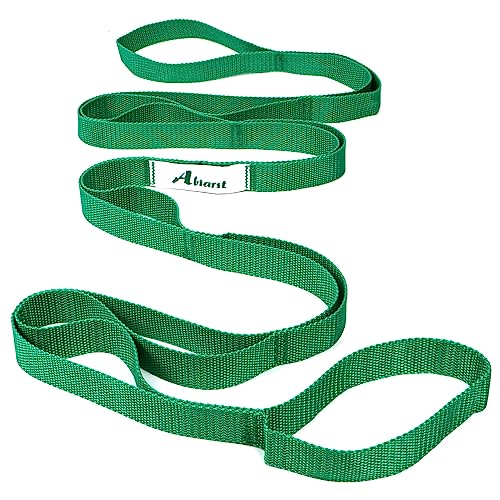
Abiarst Stretching Strap Yoga Straps for Physical Therapy, 10 Loops Non-Elastic Stretch Band for Pilates, Flexibility, Exercise and Gymnastics (Green)
Durable Materia: Our stretching straps are constructed of a durable high-quality fabric that will not fray or break….
As an affiliate, we earn on qualifying purchases.
As an affiliate, we earn on qualifying purchases.