
When traveling on planes, trains, or automobiles, you should be respectful of others by choosing your seat wisely, keeping aisles clear, and storing luggage properly. Be patient during boarding and disembarking, avoid loud conversations or music, and handle belongings gently. Offer assistance politely if needed, and thank others for their help. Maintaining personal space and a peaceful environment helps everyone enjoy the journey. Keep these tips in mind to make your travels smoother—there’s more to discover on how to be a considerate traveler.
Key Takeaways
- Respect personal space by keeping belongings organized and avoiding encroachment on others’ seating areas.
- Be patient and courteous during boarding, allowing others to settle first and avoiding rushing or blocking aisles.
- Use headphones and speak softly to maintain a peaceful environment for all travelers.
- Handle luggage carefully, store it securely, and assist others politely when needed.
- Follow posted instructions and show kindness to staff and fellow passengers throughout the journey.
Travel etiquette is essential for ensuring respectful and enjoyable experiences wherever you go. Whether you’re flying, taking a train, or hitting the road in a car, being mindful of how you behave can make the journey smoother for everyone. One of the most important aspects of travel manners involves understanding how to navigate seat assignments and luggage handling. When you book your ticket, you might have the opportunity to select your seat. If possible, choose your spot thoughtfully—consider factors like proximity to the restroom, window or aisle preferences, and avoiding seats near noisy areas. Respect others’ seat choices, especially if they’ve already been assigned a specific spot. If you have a seat assigned to you, make sure to settle into it promptly and avoid infringing on someone else’s space. During boarding, be patient and organized, allowing others to settle first if they’re in a rush, and don’t rush the gate or block aisles. Once on board, store your luggage carefully. Use overhead compartments for larger bags, and guarantee they’re placed securely so they don’t shift during the journey. For smaller carry-ons, keep them close but out of the aisle to prevent tripping hazards. When handling your luggage, be considerate of fellow travelers—avoid overstuffing compartments, and be gentle when placing or retrieving your bags. If you need assistance, politely ask staff or fellow passengers rather than rushing or forcing your way through. Respect the space of others by not spreading out excessively or taking up more than your fair share of storage. It’s also courteous to keep your belongings organized and avoid blocking aisles or exits. Throughout your trip, be conscious of noise levels—use headphones for music or movies and speak quietly when engaging in conversations. This helps maintain a peaceful environment for everyone. If you’re traveling with luggage that’s heavy or awkward, take your time to handle it carefully, avoiding abrupt movements that could cause damage or injury. When disembarking, remove your luggage thoughtfully to avoid knocking over others’ bags or causing delays. Remember to thank staff or fellow travelers who assist you, and always follow posted instructions about luggage handling and seat usage. These small acts of consideration can considerably improve the travel experience for everyone involved. Being aware of personal space and practicing patience can greatly enhance the comfort of all travelers. Ultimately, good travel etiquette—like respecting seat assignments and handling luggage with care—creates a more pleasant journey for you and your fellow travelers. It’s about showing patience, kindness, and awareness in every step of your travels, regardless of the mode of transportation. By practicing these manners, you help foster a respectful atmosphere where everyone can arrive at their destination comfortable and happy.

Veken 10 Set/8 Set Packing Cubes for Travel Essentials,Anti-Wrinkle Buckled Suitcase Organizer for Shoe & Toiletry Bag,Carry On Luggage Bag for Airplane & College Dorm Room Accessories,Women Men Gifts
Stress-Free Traveling: Packing cubes help sort, organize, and quickly locate items, reducing the stress of packing. Keep your…
As an affiliate, we earn on qualifying purchases.
As an affiliate, we earn on qualifying purchases.
Frequently Asked Questions
How Should I Handle Different Cultural Customs While Traveling?
You should embrace cultural sensitivity by researching local customs before you travel. Show respectful communication by observing and adapting to local behaviors, such as dress codes or gestures. When in doubt, ask politely or follow what locals do, demonstrating your openness and respect. Remember, being considerate of different cultural customs not only enriches your experience but also fosters positive interactions and mutual understanding during your trip.
What Are the Best Ways to Deal With Noisy Passengers?
Dealing with noisy passengers is like trying to enjoy a peaceful tune in a busy café; you need noise mitigation strategies. Politely ask them to lower their volume, showing passenger consideration. If that doesn’t work, don’t hesitate to inform a crew member. Remember, everyone deserves comfort, so advocating for yourself with kind confidence helps preserve your travel tranquility without causing conflict.
How Can I Discreetly Manage Personal Hygiene on Long Trips?
To discreetly manage personal hygiene on long trips, carry essential personal hygiene tips like travel-sized wipes, deodorant, and a small brush or comb. Use discreet grooming techniques such as freshening up in your seat or restroom without drawing attention. Keep a compact mirror handy to check your appearance subtly. Staying comfortable and fresh helps you enjoy your journey and respect fellow travelers’ space and comfort.
What Etiquette Is Expected When Sharing Food or Drinks?
When sharing snacks or offering beverages, you should be polite and considerate. Always ask before sharing food or drinks to guarantee the other person’s comfort. Use clean utensils or your hands carefully, and avoid touching common items directly. Keep portions modest, and accept or decline politely. By showing respect and thoughtfulness, you’ll make the experience pleasant for everyone and maintain good travel etiquette.
How Do I Politely Decline Offers or Invitations During Travel?
When you’re offered something during travel, a polite refusal or gracious decline shows respect. You can say, “Thank you, but I’ll pass,” with a warm smile. Keep your tone friendly and appreciative, even if you’re declining multiple offers. If needed, briefly explain your reason, like dietary restrictions or feeling full, but don’t feel obligated. This way, you maintain good manners while clearly communicating your choice.

Soundcore by Anker Q20i Hybrid Active Noise Cancelling Headphones, Wireless Over-Ear Bluetooth, 40H Long ANC Playtime, Hi-Res Audio, Big Bass, Customize via an App, Transparency Mode (Black)
Hybrid Active Noise Cancelling: 2 internal and 2 external mics work in tandem to detect external noise and…
As an affiliate, we earn on qualifying purchases.
As an affiliate, we earn on qualifying purchases.
Conclusion
By following these simple travel manners, you’ll guarantee a smoother journey for everyone. Sometimes, you might feel tempted to ignore etiquette, thinking it doesn’t matter. But remember, a little courtesy creates a more pleasant experience for all travelers. Even if you’re tired or in a rush, taking a moment to be polite makes your trip more enjoyable. So, embrace good manners—you’ll find that travel becomes less stressful and more enjoyable for everyone involved.
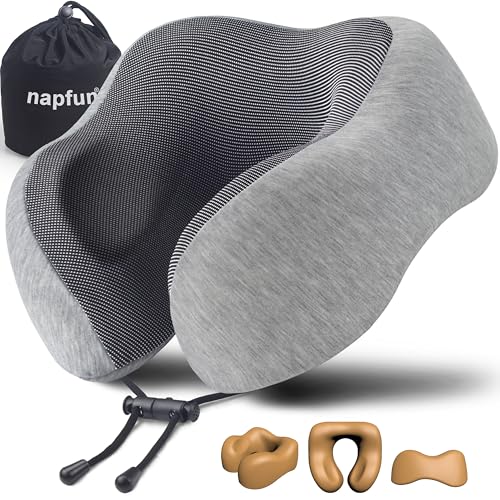
napfun Neck Pillow for Traveling, Upgraded Travel Neck Pillow for Airplane 100% Pure Memory Foam Travel Pillow for Flight Headrest Sleep, Portable Plane Accessories, Light Grey
CHIN SUPPORT TRAVEL NECK PILLOW – This airplane pillow can better wrap your neck and free your chin,…
As an affiliate, we earn on qualifying purchases.
As an affiliate, we earn on qualifying purchases.

GORILLA GRIP Heavy Duty Adjustable Luggage Straps for Suitcases, Easy to Identify Travel Belt Connector Holds Suitcase Together, Extends Life of Bag, Strap Connects Two Bags, Accessories 2 Pack Green
GRIP STRAPS SECURE LUGGAGE CLOSED: TSA accessible straps help to prolong the life of luggage; designed to handle…
As an affiliate, we earn on qualifying purchases.
As an affiliate, we earn on qualifying purchases.