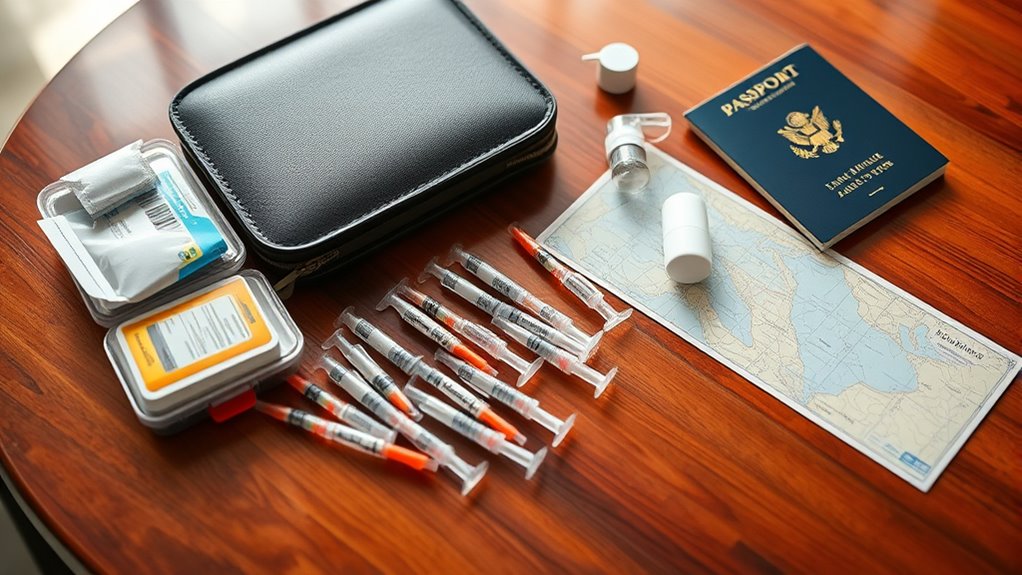

Before you go, make sure to verify which vaccines are needed for your destination, including yellow fever or typhoid, and schedule them at least four to six weeks in advance. Prepare a travel health kit with essentials like medications, insect repellent, and sun protection. Research local health risks, stay updated on outbreaks, and practice good hygiene. Staying informed and prepared helps you enjoy a safe trip—more tips to ensure you’re fully ready ahead.

Get travel and outdoor gear delivered free with Prime
- Fast, free delivery on millions of items
- Prime Video, Amazon Music and more included
- Member-only deals all year
Key Takeaways
- Consult a healthcare provider or travel medicine specialist 4-6 weeks before departure to review necessary vaccines.
- Complete all recommended vaccinations, such as yellow fever, typhoid, or measles, well in advance of travel.
- Prepare a comprehensive travel health kit with medications, insect repellent, sunscreen, and copies of prescriptions.
- Research destination-specific health risks and follow local advisories to take appropriate precautions.
- Stay updated on current outbreaks and carry essential health documentation and emergency contacts.
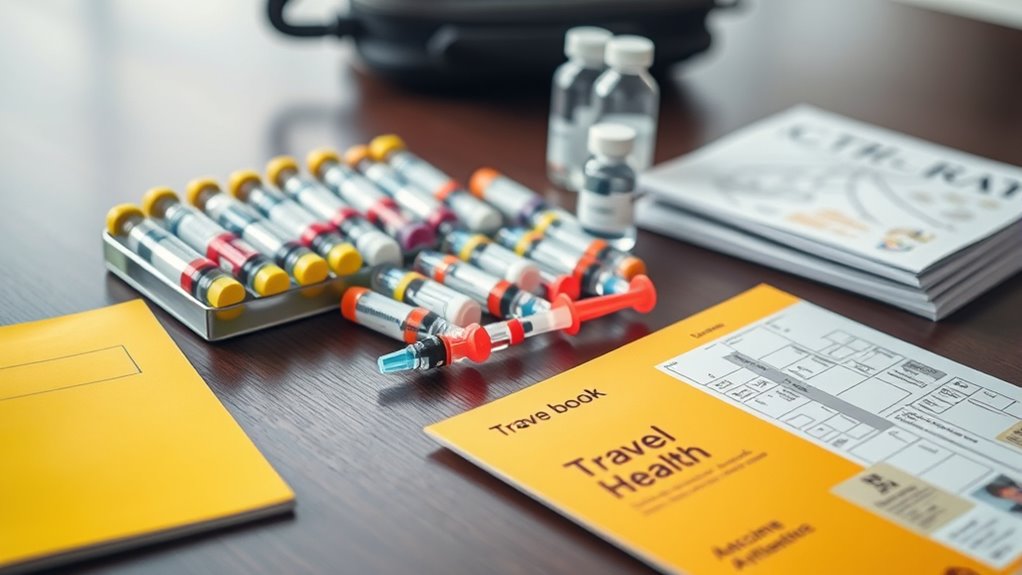
Planning your trip involves more than just booking flights and packing bags; it also requires preparing your health. One of the most crucial steps is understanding your immunization schedules. Different destinations pose different health risks, so checking which vaccines are recommended or required for your travel country is essential. For example, if you’re heading to areas where yellow fever or typhoid are common, you’ll need to get vaccinated well in advance. Make sure to consult your healthcare provider or a travel medicine specialist at least four to six weeks before departure. They can review your immunization history, recommend additional vaccines, and ensure you’re up to date. Staying informed about immunization schedules helps protect you against preventable diseases and ensures you’re fully prepared for your journey.
Preparing your health with proper immunizations is essential before traveling to unfamiliar destinations.
Alongside vaccinations, assembling a comprehensive travel health kit is vital. Your travel health kit should include basic supplies like bandages, antiseptic wipes, pain relievers, and any personal medications. Consider adding items specific to your destination, such as anti-diarrheal medication, insect repellent, and sunscreen. If you’re traveling to tropical or malaria-prone regions, packing insect repellent with DEET and mosquito nets can significantly reduce your risk of bites and disease transmission. Don’t forget to include copies of your prescriptions, health insurance information, and a list of emergency contacts. Having a well-stocked travel health kit on hand means you’re prepared to handle minor health issues without seeking immediate medical care, which can be especially helpful in remote locations. Additionally, understanding the navigation and mapping of your destination can help you locate nearby medical facilities quickly if needed.
Preparation also involves understanding potential health risks specific to your destination. Research common illnesses and outbreaks, and follow travel advisories. Staying updated on local health concerns allows you to take appropriate precautions, such as avoiding contaminated water or food. Additionally, ensure that your routine vaccinations are current, including tetanus, measles, and influenza. Carrying proof of immunizations can be helpful if you’re asked to show vaccination records at ports of entry or health screenings.
Finally, don’t overlook the importance of maintaining good hygiene practices while traveling. Regular handwashing, using hand sanitizers, and drinking bottled or purified water can help prevent illness. Combining these habits with your immunization plan and a well-prepared travel health kit creates a strong defense against common health issues. Being proactive about health preparation ensures that you can enjoy your trip with peace of mind, focusing on new experiences rather than health concerns.
As an affiliate, we earn on qualifying purchases.
Frequently Asked Questions
Are Travel Vaccines Necessary for All Destinations?
Travel vaccines aren’t necessary for all destinations. The need depends on your destination, activities, and health condition. You should prioritize travel health consultations to get personalized advice. Keep in mind that vaccine effectiveness varies, so the right vaccines can safeguard you from local diseases. Always check current health recommendations for your destination to ensure you’re properly prepared and protected during your trip.
How Long Before Travel Should I Get Vaccinated?
Think of your vaccination schedule as planting seeds for your journey’s safety. You should get vaccinated at least four to six weeks before traveling to give your immune system time to build defenses. Timing considerations are vital, so check with your healthcare provider to align vaccines with your itinerary. This guarantees you’re fully prepared, turning your trip into a smooth voyage rather than a risky adventure.
Are There Any Side Effects From Travel Vaccines?
You might experience some mild vaccine side effects, like soreness at the injection site, fatigue, or a slight fever. Serious adverse reactions are rare but can include allergic responses. If you notice severe symptoms such as difficulty breathing, swelling, or a high fever, seek medical attention immediately. Most side effects are temporary and a normal part of your body’s immune response, so don’t worry—these reactions are generally mild and manageable.
Do I Need Special Health Insurance for Travel Vaccinations?
You don’t usually need special health insurance for travel vaccinations, but it’s smart to check your travel insurance policy. Look for vaccination coverage or medical benefits that include vaccinations, so you’re protected if you experience side effects or complications. Some plans might cover the cost of vaccines or related medical care, giving you peace of mind. Always verify your insurance details before your trip to make certain you’re adequately protected.
Can I Get Vaccines if I Have Existing Health Conditions?
If you have chronic conditions, you can still get vaccines, but you should discuss vaccine safety precautions with your healthcare provider first. Your provider can help assess any potential risks and tailor recommendations to your health needs. While vaccines are generally safe, understanding how your health status interacts with them guarantees you stay protected without unintended effects. Always prioritize personalized advice for a smooth and safe vaccination process.
As an affiliate, we earn on qualifying purchases.
Conclusion
Before you set sail on your adventure, remember that vaccines and health prep are your trusty compass and map. They guide you safely through unfamiliar terrain, shielding you from unseen storms. Think of your immune system as a vigilant lighthouse, shining brightly to warn off dangers. With these preparations, you’re not just crossing borders—you’re opening a door to new experiences, confident that your health is the steady anchor that keeps your journey steady and true.
As an affiliate, we earn on qualifying purchases.
As an affiliate, we earn on qualifying purchases.
Fall Picks
fall essentials
As an affiliate, we earn on qualifying purchases.