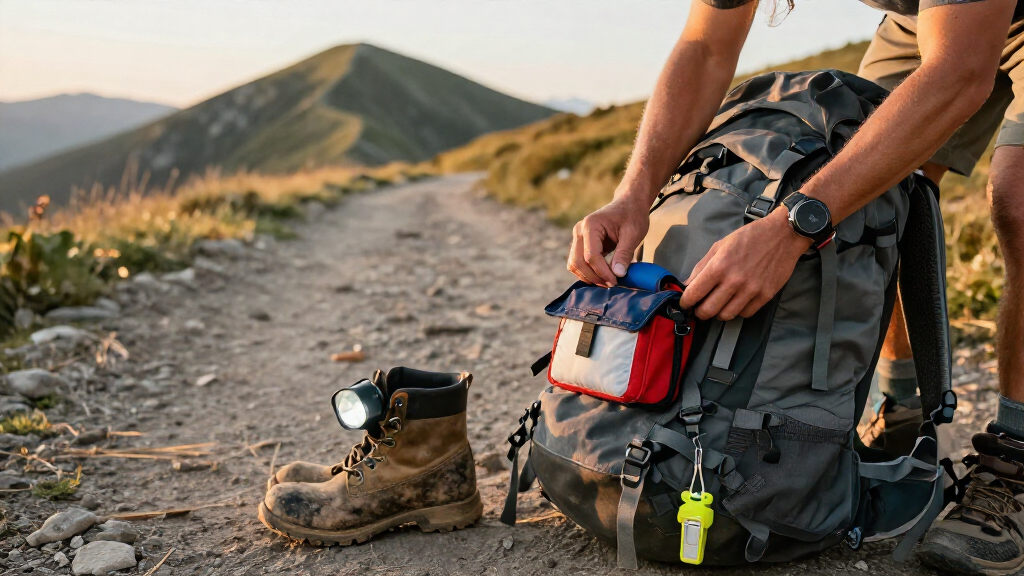
The best travel safety gear covers different problems, from minor injuries and uncertain water to low visibility and personal security. My best overall pick is the 152 PCS Waterproof First Aid Kit, which combines a broad range of supplies with a dry bag for trips where medical readiness matters. The LifeStraw Personal Water Filter stands out for travelers who may need to treat water, while the Peak Gear Travel Money Belt focuses on keeping valuables close. The tradeoffs are practical: more coverage often means more bulk, while compact tools solve fewer problems. Read on for the full breakdown of what each option suits and where it falls short.

Get travel and outdoor gear delivered free with Prime
- Fast, free delivery on millions of items
- Prime Video, Amazon Music and more included
- Member-only deals all year
Complete the kit


Key Takeaways
- The 152 PCS Waterproof First Aid Kit is the broadest all-around choice in this lineup, especially for water-based outings, but its larger supply set may be more than a light traveler needs.
- The RHINO RESCUE kit favors portability over breadth, making it a better fit for travelers who want basic medical supplies without carrying a larger kit.
- The LifeStraw addresses a different risk than the other picks: it treats water rather than preventing theft, improving visibility, or supplying first aid.
- The two Vantamo alarms share the core 130 dB alarm, strobe, and rechargeable design; the listed low-battery notice appears on one version, so check the exact model rather than assuming they are identical.
- The two orange and four-pack Mylar blanket listings appear closely related, while the two-pack flashlight and multi-pack reflective vests suit group or shared-kit planning better than a single-person setup.


| travel safety gear | Material | Dimensions | Color |
|---|---|---|---|
| Vantamo Personal Alarm for Sel | — | 0.98 x 0.66 x 3.81 inches | Charcoal |
| LifeStraw Personal Water Filte | Plastic | 3.75 in D x 1.39 in W x 12 in H | — |
| Reflective Vest Running Gear | Nylon | — | Green |
| 152 PCS Waterproof First Aid K | Thickened knife-scraping cloth with PVC resin coating | 7.4 x 1.7 x 5.1 inches | — |
| Emergency Blanket Mylar Therma | Aluminized Mylar | — | — |
| Emergency Blanket Orange Mylar | Aluminized Mylar | — | Orange |
| Vantamo Personal Alarm for Sel | — | 0.98 x 0.67 x 3.82 inches | Pastel violet |
| Victoper LED Flashlight 2 Pack | Aluminum | — | — |
| Peak Gear Travel Money Belt wi | 210D water-resistant ripstop nylon | 11.5 x 5 x 0.2 inches | Black |
| RHINO RESCUE Small Ultralight | High-quality nylon | 180 x 100 x 30 mm | — |
More Details on Our Top Picks
Vantamo Personal Alarm for Self Defense with Low Battery Notice, Strobe Light & Extra Loud 130 dB Double Speakers Safety Keychain Set for Women
For travelers who want a compact way to draw attention quickly, the Vantamo personal alarm combines a stated 130 dB alarm with a strobe light in a keychain-sized device. Its small footprint and included keyring and carabiner make it easier to keep accessible than a larger safety item buried in a bag. Compared with the SAWNZC reflective vests, which help others see you outdoors, this alarm is designed to make noise when you need to signal for help; the two serve different situations rather than replacing each other. The tradeoff is reliance on battery readiness: the product description mentions USB-C recharging and a low-battery notice, while the listed battery specs also call for an included C battery. Check the specific unit’s power setup before travel. Touch activation keeps operation simple, but offers few controls.
Pros:- Stated 130 dB alarm is intended to attract attention
- Compact dimensions suit keychain or bag attachment
- Strobe light adds a visual alert
- Low-battery notice can help flag power needs
Cons:- Power details are inconsistent: the description says rechargeable, while the specs list a C battery
- Touch activation provides limited control options
- Battery life may vary with use, so readiness needs checking
Best for: Solo travelers and commuters who want a small, quickly accessible alert for walking between transit, lodging, and other destinations.
Not ideal for: Travelers seeking a light source or a passive visibility aid; the strobe is paired with an alarm, and the device does not replace reflective clothing such as the SAWNZC vest.
- Audible noise:130 dB
- Power source:Battery powered
- Battery description:Lithium Polymer
- Listed battery requirement:1 C battery required; included
- Compatible devices:USB-C charger, power bank
- Control method:Touch
- Color:Charcoal
- Dimensions:0.98 x 0.66 x 3.81 inches
Our verdict“Choose this if you want a small sound-and-light alert close at hand, and verify its charging or battery requirements before leaving.”
LifeStraw Personal Water Filter for Hiking, Travel and Emergency, Blue, 1 Pack
The LifeStraw Personal Water Filter addresses a travel risk the other picks cannot: access to water when the available source is uncertain. The product description says it removes bacteria, parasites, microplastics, and sediment, with a stated capacity of up to 1,000 gallons. At just 0.04 kg, it is easier to pack than a multi-item medical kit, though it only supports one person drinking directly through the filter. Compared with the 152-piece waterproof first aid kit, LifeStraw is narrower in purpose but more specific to water access; neither substitutes for the other. Its main limitation is that it depends on a suitable water source and proper maintenance, and it is not designed for high-volume group use. I would choose it for backcountry or contingency planning, not as a general-purpose travel water bottle.
Pros:- Targets bacteria, parasites, microplastics, and sediment, according to the product description
- Stated capacity of up to 1,000 gallons
- Very light at 0.04 kg
- BPA-free materials and NSF certification are listed
Cons:- Designed for personal use, not group water preparation
- Requires proper maintenance to support longevity
- Useful only when an appropriate water source is available
Best for: Solo hikers and travelers visiting areas where treated drinking water may not be readily available and who want a lightweight personal filter.
Not ideal for: Families, groups, or travelers who need to filter water in larger quantities; this is a personal-use device rather than a high-volume system.
- Model number:LSPHF038
- Material:Plastic
- Dimensions:3.75 in D x 1.39 in W x 12 in H
- Weight:0.04 kg
- Pack count:1
- Included component:LifeStraw Personal Water Filter
- Certification:NSF
- Warranty:1 year
Our verdict“Pack LifeStraw for solo trips where water access is uncertain, but choose a higher-capacity approach for groups.”
Reflective Vest Running Gear, 2-10 Pack High Visibility Safety Vests
The SAWNZC reflective vests are the lineup’s clearest choice for travelers walking, running, or cycling near traffic after dark. Their reflective stripes are described as visible from 800 feet, helping drivers notice the wearer when light hits the material. Unlike the Vantamo personal alarm, which responds to an immediate concern with sound and a strobe, this vest works passively and leaves the wearer’s hands free. The listed set includes two lightweight, adjustable vests, so it can suit travel companions sharing outdoor routes. The key limitation is that reflective fabric does not illuminate by itself: visibility depends on an external light source, and the listed 18-inch chest size may not fit every body or clothing layer. Hand washing also takes more care than simply packing a disposable safety aid.
Pros:- Reflective stripes are described as visible from up to 800 feet
- Adjustable, lightweight design suits outdoor movement
- Two vests are included
- Useful for walking, cycling, running, and work near traffic
Cons:- Reflective material does not produce light on its own
- Listed 18-inch chest size may not fit all body types or layers
- Hand washing is required
Best for: Travelers who walk, run, or cycle near roads in dim conditions and want lightweight visibility gear for themselves and a companion.
Not ideal for: People needing active illumination, a personal alarm, or a guaranteed fit over bulky outerwear; reflective strips need incoming light and the listed size may be restrictive.
- Brand:SAWNZC
- Color:Green
- Fit:Adjustable
- Material:Nylon
- Number of items:2 reflective vests
- Listed size:Medium
- Chest size:18 inches
- Care instructions:Hand wash only
Our verdict“Choose this two-vest set for road-facing visibility in low light, but pair it with a light source when conditions are very dark.”
152 PCS Waterproof First Aid Kit, Portable Small Boat Dry Bag for Camping, Boating, Fishing, Kayaking, and Emergencies
When travel includes boating, kayaking, or rainy outdoor days, the 152-piece first aid kit stands out because its IPX6-rated waterproof bag is built around keeping supplies protected from water exposure. The transparent window and D-rings also make it easier to locate or hang the kit than loose supplies packed in a backpack. Compared with the LifeStraw, which handles a specific water-safety need, this kit covers a broader range of minor medical incidents—but the listing does not detail the individual contents, so buyers cannot judge whether its supplies match particular medications or wound-care needs. At 0.56 pounds and 7.4 x 1.7 x 5.1 inches, it remains portable, though it takes more space than the compact Vantamo alarm. The waterproof construction is the differentiator; the unclear inventory is the tradeoff.
Pros:- IPX6 waterproof level is listed for wet-trip protection
- 152 first aid supplies are included
- Transparent window can help locate contents
- D-rings provide hanging options
Cons:- Individual supplies are not specified in the product data
- No instructions or user guide are listed
- Bulkier than small personal safety items such as the Vantamo alarm
Best for: Boaters, kayakers, and campers who want a portable first aid supply pouch with water-resistant protection for outdoor trips.
Not ideal for: Travelers who need a verified inventory for specific medical needs or detailed guidance; the listed product information does not identify each supply or mention an instruction guide.
- Contents:152 first aid supplies
- Waterproof level:IPX6
- Material:Thickened knife-scraping cloth with PVC resin coating
- Dimensions:7.4 x 1.7 x 5.1 inches
- Weight:0.56 lb
- Features:Transparent window and D-rings
Our verdict“Pick this kit for water-facing outdoor trips when a protected supply pouch matters more than a fully documented contents list.”
Emergency Blanket Mylar Thermal Space Survival Gear & Supplies 4-Pack Foil
This four-pack of Mylar emergency blankets is a straightforward way to add lightweight thermal and weather protection for several people to a travel or vehicle kit. Each blanket measures 82 x 52 inches, and the product claims up to 90% thermal retention; the set can also serve as a ground cover or improvised shelter. Compared with the 152-piece first aid kit, these blankets address cold and exposure rather than cuts or other minor injuries, so the two make complementary additions to an outdoor emergency setup. The tradeoff is durability: the material is described as tear resistant, but at 0.01 millimeters it can still be damaged by punctures or rough handling. These are compact backups, not a replacement for insulated clothing or a sleeping bag, and heavy use may make reuse impractical.
Pros:- Four blankets cover multiple travelers
- Each blanket measures 82 x 52 inches
- Lightweight, water-resistant, and windproof design
- Can serve as a ground cover or improvised shelter as well as a thermal layer
Cons:- Thin 0.01 mm material can tear if punctured or mishandled
- Heavy use may limit reuse
- Not a substitute for insulated clothing or sleeping equipment
Best for: Families, travel companions, and drivers building a compact emergency kit with basic exposure protection for multiple people.
Not ideal for: Travelers who need a durable, repeatedly used blanket or dependable warmth as a substitute for insulated sleep gear; thin foil material can tear and is best treated as backup protection.
- Material:Aluminized Mylar
- Size per blanket:82 x 52 inches
- Pack size:4 blankets
- Thickness:0.01 millimeters
- Water resistance:Water resistant
- Features:Lightweight, reversible, tear resistant, and windproof
- Thermal retention claim:Up to 90%
Our verdict“Add this pack to a shared emergency kit for compact backup coverage, but rely on proper insulated gear for planned overnight warmth.”
Emergency Blanket Orange Mylar Thermal Space Survival Gear & Supplies 4-Pack
For travel safety kits that need a basic layer of cold-weather backup, this four-blanket set covers more people than a single emergency blanket. Each unfolds to 82 by 52 inches and is listed as retaining up to 90% of body heat, while the bright orange finish can make a person easier to spot outdoors. Compared with the RHINO RESCUE First Aid Kit, this addresses exposure rather than cuts and scrapes, so the two serve different emergency needs. My main reservation is that a thin Mylar blanket is not a substitute for insulated clothing or shelter in severe cold. Although the material is described as tear-resistant and reusable, rough handling can damage it, and a torn blanket may not be useful again. I’d pack it as compact backup, not as a primary cold-weather solution.
Pros:- Four blankets let a group carry individual emergency coverage
- Bright orange color can improve visibility during an outdoor emergency
- Lightweight, compact format suits travel and hiking kits
- Listed as tear-resistant and reusable with up to 90% thermal retention
Cons:- Does not provide enough insulation for extreme cold on its own
- Careful handling is needed to reduce the risk of tears
- A damaged blanket may not be reusable
Best for: Travelers, couples, or small groups assembling a compact emergency kit for hikes, road trips, or unexpected exposure
Not ideal for: Cold-weather travelers who need dependable insulation for extended exposure or anyone expecting a Mylar sheet to replace warm clothing and shelter
- Material:Aluminized Mylar
- Unfolded size:82 x 52 inches
- Color:Orange
- Quantity:4 pieces
- Reusable:Yes
- Tear-resistant:Yes
- Thermal retention:Up to 90%
Our verdict“Choose this four-pack as lightweight group backup for exposure emergencies, but pair it with proper cold-weather layers.”
Vantamo Personal Alarm for Self Defense with Low Battery Notice, Strobe Light & Extra Loud 130 dB Double Speakers Safety Keychain Set for Women, Rechargeable Panic Button
This keychain alarm suits travelers who want a small, quick-to-access way to call attention to a threatening situation. Its listed 130 dB alarm and strobe light add audible and visual signals, while the rechargeable battery and low-battery notice can help users keep the device ready. Compared with the Peak Gear Travel Money Belt, the Vantamo addresses personal alerting rather than protecting valuables under clothing; they complement each other but do not replace one another. The tradeoff is that an alarm is not a physical defense tool, and its warning may be less effective in noisy or brightly lit surroundings. Frequent use can also mean more charging, so I’d treat the battery indicator as a prompt to check readiness rather than assume the alarm will always be charged.
Pros:- 130 dB alarm is designed to draw attention and deter threats
- Strobe light adds a visual alert
- Compact dimensions suit keychain or bag carry
- Rechargeable battery includes a low-battery notice
Cons:- Does not provide physical protection
- Frequent use may require regular recharging
- Alarm and strobe may be less effective in noisy or bright settings
Best for: Solo travelers and commuters who want a compact, rechargeable alert device attached to a bag or keychain
Not ideal for: Buyers seeking physical self-defense, or travelers who cannot regularly check and recharge a battery-powered safety device
- Audible noise:130 dB
- Power source:Battery powered
- Battery:1 included lithium polymer battery
- Voltage:3.7 volts
- Dimensions:0.98 x 0.67 x 3.82 inches
- Color:Pastel violet
- Additional features:Strobe light and low-battery notice
Our verdict“Pick this for portable attention-getting backup, provided you will keep its rechargeable battery ready.”
Victoper LED Flashlight 2 Pack, Bright Tactical Torch with 5 Modes, Waterproof, Zoomable, High Lumens for Outdoor Activities
Two flashlights make this set a practical choice for travelers who want a spare in a second bag, vehicle, or group kit. The listed 120-lumen output, adjustable focus, and five modes—including SOS and strobe—offer more flexibility than a basic fixed-beam light, while the aluminum body is described as impact-resistant and waterproof. Compared with the Vantamo Personal Alarm, this set helps with visibility and signaling but cannot attract attention with a loud alert. The main tradeoff is power: it requires six AAA batteries, which are not included, and there is no rechargeable option listed. I would choose it over a single light when backup coverage matters, but travelers who want fewer consumables may prefer gear with a rechargeable power source.
Pros:- Two lights provide a spare or let companions carry separate torches
- Five modes include SOS and strobe for signaling
- Adjustable focus supports different beam uses
- Aluminum construction is listed as impact-resistant and waterproof
Cons:- Six AAA batteries are required and not included
- No rechargeable option is listed
- The listed 120-lumen brightness may not suit buyers seeking a higher-output light
Best for: Campers, road-trippers, and travel groups who want one flashlight for use and a second as backup
Not ideal for: Minimal-pack travelers who want rechargeable lighting or do not want to carry and replace AAA batteries
- Quantity:2 flashlights
- Brightness:120 lumens
- Power source:6 AAA batteries required
- Light path distance:Up to 656 feet
- Modes:5, including SOS and strobe
- Material:Aluminum
- Water resistance:Waterproof
- Additional features:Adjustable focus and impact resistance
Our verdict“Choose this two-pack for battery-powered backup lighting and signaling, not for a rechargeable minimalist kit.”
Peak Gear Travel Money Belt with RFID Blocking and Global Recovery Decals
The Peak Gear belt focuses on a quieter travel risk: keeping cash, cards, and a passport tucked beneath clothing rather than exposed in a bag or pocket. Its two zippered pockets, RFID blocking, and adjustable elastic strap give it a more specific role than the Vantamo Personal Alarm, which is meant to call attention rather than conceal valuables. The slim, lightweight profile is well suited to carrying documents and flat essentials, but it is not designed for bulky items. Its water-resistant ripstop nylon offers some protection from damp conditions, not a guarantee against soaking. I’d favor this belt for transit days and crowded sightseeing, while travelers who dislike wearing an under-clothing pouch or need fast access to belongings may find a regular organizer more convenient.
Pros:- Two zippered pockets separate small valuables
- RFID blocking is included for cards and documents
- Lightweight, slim build is suited to concealed wear
- Water-resistant ripstop nylon and recovery decals add travel-focused features
Cons:- Slim profile limits capacity for larger items
- Water resistance does not mean waterproof protection
- Hand washing is required for cleaning
Best for: International travelers carrying a passport, cards, and folded cash who want concealed storage beneath clothing
Not ideal for: Travelers carrying bulky items or anyone who finds an under-clothing belt uncomfortable or inconvenient to access
- Material:210D water-resistant ripstop nylon
- Dimensions:11.5 x 5 x 0.2 inches
- Weight:0.09 kg
- Strap length:48 inches
- Waist fit:28–42 inches
- Pockets:2
- Closure:Zipper
- Color:Black
Our verdict“Choose this belt to conceal flat travel valuables under clothing, but skip it if you need roomy or quick-access storage.”
RHINO RESCUE Small Ultralight First Aid Kit, Water-Resistant Medical Kit
At a listed 20 grams, this compact kit is an easy medical backup to add to a daypack without much weight. It includes 79 supplies in a water-resistant nylon pouch, which gives it a different job from the Emergency Blanket Orange Mylar 4-Pack: this kit is aimed at minor injuries and common outdoor ailments, while the blankets address heat loss. Compared with a larger 152-piece first aid kit mentioned elsewhere in the roundup, the RHINO RESCUE is the more packable choice, but the tradeoff is limited scope. Its contents are described as suitable for minor issues, not severe injuries or emergencies that need professional care. I’d choose it for hiking, kayaking, or travel where a small first-aid reserve is better than carrying nothing, while groups wanting broader medical coverage should choose a larger kit.
Pros:- Very low listed weight makes it easy to carry
- Compact dimensions fit easily into a pack
- Includes 79 emergency supplies for minor needs
- Water-resistant nylon offers some protection from moisture
Cons:- Intended for minor injuries, not severe emergencies
- Small format may not provide enough supplies for a group or long trip
- Some units may be V1.0 with slight differences
Best for: Weight-conscious hikers and travelers who want a small supply of basic first-aid items in a daypack
Not ideal for: Families or groups preparing for extended trips who need broad medical coverage or supplies for serious injuries
- Material:High-quality nylon
- Weight:20 g
- Dimensions:180 x 100 x 30 mm
- Supplies count:79
- Water resistance:Water-resistant material
- Intended use:Minor injuries and common outdoor ailments
Our verdict“Choose this as a lightweight first-aid backup for solo day trips, not as the sole medical kit for a group.”

How We Picked
I ranked these options by how directly they address common travel risks, how usable they appear for their intended role, and how easily a traveler can carry, maintain, or share them. I also weighed versatility: a larger first aid kit can cover more situations, while a compact alarm or water filter is more useful when that specific risk is the priority. Product descriptions provide limited detail about long-term durability and real-world performance, so I avoid treating advertised claims as proof of field results.
The ranking favors gear with clear travel utility and a defined purpose, not products that claim to cover every emergency. The 152-piece dry-bag kit leads for breadth; the LifeStraw and Peak Gear belt rank as strong specialist choices. Compact first aid and alert tools follow, while the duplicated alarm and blanket listings do not earn separate value simply by appearing as distinct entries. Flashlights and reflective vests are useful when darkness, roadside exposure, or group visibility are central to the trip, but their value depends more heavily on itinerary.
Factors to Consider When Choosing Best Travel Safety Gear
I’d choose travel safety gear by matching it to the risks, transport limits, and support available on a specific trip—not by assembling the largest kit. These broader checks can help prevent buying overlapping tools or carrying equipment that does not fit your itinerary.
Match Gear to the Likely Risk
Start with the setting: a city break, a remote hike, and a kayaking trip create different safety needs. City travelers may put more value on keeping valuables secure and having a personal alarm, while remote routes can make water treatment and medical supplies more relevant. For night walks or roadside stops, visibility and a dependable light may matter more than extra first aid items. A common mistake is buying gear around dramatic emergencies while overlooking everyday hazards such as minor cuts, darkness, or separated group members. Choose tools that address risks you can reasonably expect on your route, then add specialized equipment only when the trip justifies it.
Balance Coverage Against Weight and Space
A large kit can offer more variety, but it only helps if you are willing to carry it and can find the needed item quickly. Compare the packed dimensions and weight with your bag, not just the number of pieces listed. Small kits suit day trips and carry-on-focused travel, though they may leave gaps that require personal additions. Avoid counting every item as useful coverage: duplicates, supplies you cannot identify, or tools unsuitable for your activities add little value. For a group, splitting equipment between people can reduce individual load, but each person should still have access to essentials if the group separates.
Check What a Safety Claim Actually Means
Product labels can sound broad, but each tool has limits. A personal alarm makes noise and may attract attention; it does not guarantee a response or replace a plan for contacting local help. A water filter is not automatically a solution for every contaminant, so check the manufacturer’s treatment scope and use instructions before relying on it. Mylar blankets help retain body heat but are not substitutes for suitable clothing, shelter, or a sleeping system in severe conditions. Read the operating details for the exact model and consider what backup you need if the tool is damaged, depleted, or unsuitable for the situation.
Plan for Power, Upkeep, and Replacement
Rechargeable alarms and battery-powered flashlights need a power plan, especially on longer trips or where charging access is limited. Check how the device indicates low power, what charging connection it uses, and whether you can bring a compatible power bank. First aid supplies have a different maintenance burden: inspect expiration dates, replace opened or used items, and keep contents dry and organized. A waterproof or water-resistant exterior does not mean the contents need no inspection after exposure. Before departure, make a short gear check part of packing rather than discovering a dead battery or missing supplies when you need them.
Choose for One Traveler or a Group
Multi-packs can make sense for families, travel companions, or separate kits kept in different bags, but they are unnecessary bulk for a solo traveler. Decide whether each person needs their own light, alarm, or visibility item, or whether a shared kit will stay within reach. Do not assume a single first aid kit will be useful if the group often splits up. On the other hand, duplicating every tool can take space away from water, medication, or other trip-specific supplies. Make the allocation explicit: assign who carries shared equipment and where it will be stored.
Pay More for Fit, Not a Bigger Feature List
When spending more, look for a feature that solves a real constraint: easier access, a carry format that suits your bag, or equipment designed for your activity. More pieces or louder specifications do not automatically make an item a better match. Confirm that a wearable security item fits comfortably under the clothing you plan to wear, and that a flashlight is easy to operate with one hand if that matters on your route. For medical supplies, prioritize contents you can recognize and use over an impressive count. If you are new to travel safety gear, a few familiar, well-matched items are often easier to maintain than a complicated collection.
Frequently Asked Questions
Should I pack a large first aid kit or a compact one?
Choose based on trip length, group size, and how far you will be from medical help. A larger kit can offer broader coverage for boat trips, camping, or group outings, but it takes more room and may include supplies you do not know how to use. A compact kit is easier to carry for city travel and short day trips, though you may need to add personal medication or activity-specific items. Check the contents list before deciding, since item count alone does not tell you whether the kit covers your needs. Whichever size you choose, keep it accessible and replace used or expired supplies.
Can I rely on a personal alarm instead of a flashlight or phone?
No single device covers all three roles. An alarm can make noise to attract attention, a flashlight helps you see and signal, and a phone may provide communication or navigation when service and battery allow. Each has limitations: an alarm does not guarantee help will arrive, and a phone may be out of power or coverage. Choose gear around the conditions you expect, and keep a backup way to contact help when possible. If you carry an alarm, learn its activation method before your trip so you can use it quickly.
Is a personal water filter enough for remote travel?
It depends on the filter’s stated treatment capabilities and the water hazards in the area. Read the manufacturer’s instructions to learn what it does and does not remove; do not assume every filter addresses every contaminant. Check local guidance for your destination, and plan a backup treatment method if safe water access is uncertain. You also need to know how to use and maintain the filter correctly, since poor handling can undermine its usefulness. For travel with limited resupply, plan water capacity as well as treatment.
Do I need both emergency blankets and a first aid kit?
They serve different purposes, so one does not replace the other. A first aid kit supplies materials for common injuries, while an emergency blanket can help retain body heat in an unexpected cold or exposure situation. Whether both belong in your bag depends on weather, activity, trip duration, and access to shelter. A blanket is not a substitute for appropriate clothing or a proper sleep system, and a first aid kit cannot address every environmental hazard. For outdoor or water-based trips, carrying both may make sense if you can keep them accessible and dry.
How should I choose between the two Vantamo alarms and the two Mylar blanket options?
Compare the exact listing details rather than treating similar names as proof of identical contents. One Vantamo alarm description specifies a low-battery notice; confirm whether that feature appears on the version you plan to select, along with charging and activation details. The two blanket entries both describe four-pack Mylar options, with one specifying orange; check color and package contents for your intended use. A color may help with visibility, but it does not change the blanket’s role as a heat-retention layer. If the listings provide no meaningful difference beyond those details, choose the version that best fits your packing plan rather than buying both.
Conclusion
For the broadest coverage in this lineup, I’d choose the 152 PCS Waterproof First Aid Kit as best overall, particularly for group, boating, or outdoor trips; travelers who want a smaller medical kit should pick the RHINO RESCUE Small Ultralight First Aid Kit as the best value-oriented option for portability. My best specialist pick for remote water needs is the LifeStraw Personal Water Filter, while the Peak Gear Travel Money Belt is the better match for travelers focused on carrying valuables close. Beginners can start with a compact first aid kit and add one tool that matches their most likely risk, rather than buying every category at once. For night or roadside activities, look to the Victoper LED Flashlight or reflective vests; for a personal alert, compare the two Vantamo listings’ exact features. Choose the gear that matches your route and carry capacity, and leave out duplicates that do not add a clear role.
Fall Picks
fall essentials
As an affiliate, we earn on qualifying purchases.