The best smartwatch for travel in Europe depends on whether you value navigation, long battery life, or reliable everyday features most. I rank the Amazfit Active 3 as the best overall balance, while the Garmin vívoactive 5 suits travelers who prioritize a polished fitness and health experience. For map-focused trips, the two GPS watches advertising offline maps deserve a closer look, though their capabilities and support may differ from established platforms. The key tradeoff is between travel-ready navigation and a watch that is easier to use for daily health, calls, and activity tracking. Read on for how each option fits different travel styles and what to check before buying.

Get travel and outdoor gear delivered free with Prime
- Fast, free delivery on millions of items
- Prime Video, Amazon Music and more included
- Member-only deals all year
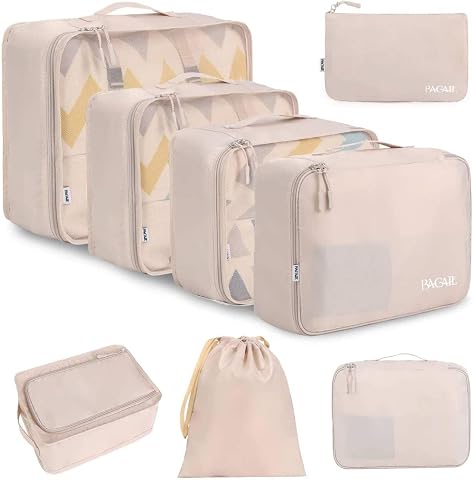
Complete the kit


Key Takeaways
- Amazfit Active 3 is the strongest all-rounder in this comparison: it offers a more balanced everyday smartwatch proposition than the map-focused, rugged-looking options.
- Offline-map claims are not interchangeable: the two men’s GPS models advertise offline maps, but buyers should verify regional map coverage, route guidance, and setup before relying on them abroad.
- Garmin vívoactive 5 is the fitness-led choice: it stands apart from the more travel-feature-focused watches for buyers who care about health and workout tracking.
- The largest screen is not automatically the best travel screen: Amazfit Bip Max’s 2.07-inch AMOLED display may be easier to read, but size and wrist comfort matter on long sightseeing days.
- Several models make different compromises: the 1200mAh rugged watch emphasizes battery capacity, while the basic fitness tracker emphasizes broad everyday functions rather than advanced travel navigation.
| Smart Watch for Men with GPS Maps, 1.46″ AI Smartwatch, Bluetooth Call/Text Reply |  | Best for Connected Navigation | Display: 1.46-inch AMOLED | Battery capacity: 550 mAh | GPS systems: GPS, GLONASS, Galileo, and QZSS | VIEW ON AMAZON | See Our Full Breakdown |
| Smart Watch for Men GPS & Offline Maps 1.46″ Military Smartwatch 1200mAh |  | Best for Rugged Outdoor Trips | Display: 1.46-inch HD touchscreen | Battery capacity: 1200 mAh lithium polymer | Navigation: Built-in GPS with satellite navigation, offline maps, and digital compass | VIEW ON AMAZON | See Our Full Breakdown |
| Amazfit Active 3 Smartwatch |  | Best for Running and Training | Display: 1.32-inch AMOLED, 390 × 390 resolution | Maximum brightness: 3000 nits | Battery life: Up to 12 days | VIEW ON AMAZON | See Our Full Breakdown |
| Amazfit Bip Max Smart Watch, 2.07″ AMOLED Display, GPS, iOS/Android |  | Best for Map Readability | Display: 2.07-inch AMOLED | Display brightness: 3000 nits | Battery life: Up to 20 days | VIEW ON AMAZON | See Our Full Breakdown |
| Amazfit Active Max Smartwatch – 1.5″ AMOLED Display, GPS, iOS/Android |  | Best for Long Trips Between Charges | Display: 1.5-inch AMOLED | Maximum brightness: 3000 nits | Battery life: Up to 25 days | VIEW ON AMAZON | See Our Full Breakdown |
| IOWODO GPS Smart Watch for Men with ChatGPT, Compass & Flashlight, 2 Straps |  | Best for Outdoor Convenience | Display: 1.83-inch AMOLED HD touchscreen | Resolution: 280 × 320 | Battery: 600mAh; listed for over 12 days of use | VIEW ON AMAZON | See Our Full Breakdown |
| Garmin vívoactive® 5 Health & Fitness GPS Smartwatch 42mm Ivory |  | Best for Wellness and Contactless Payments | Case size: 42mm | Display: AMOLED | Battery life: Up to 11 days in smartwatch mode | VIEW ON AMAZON | See Our Full Breakdown |
| Smart Watch for Men, GPS Fitness Tracker with Heart Rate, Sleep Monitoring, Pedometer, Bluetooth Calls & Notifications, 170+ Exercise Modes, 5 ATM Water-Resistance |  | Best for Fitness and Calls | Display: 1.43-inch AMOLED, 466 × 466 resolution | GPS: Built-in with five satellite systems | Water resistance: 5 ATM | VIEW ON AMAZON | See Our Full Breakdown |
| smart watch for travel in europe | Display | Water resistance | Connectivity | Compatibility |
|---|---|---|---|---|
| Smart Watch for Men with GPS M | 1.46-inch AMOLED | Waterproof to 1.5 meters depth | Bluetooth and Wi-Fi | Android 5.0+ and iOS 9.0+ |
| Smart Watch for Men GPS & Offl | 1.46-inch HD touchscreen | IP68 | Bluetooth calling supported | Android and iOS |
| Amazfit Active 3 Smartwatch | 1.32-inch AMOLED, 390 × 390 resolution | 50 meters | — | — |
| Amazfit Bip Max Smart Watch | 2.07-inch AMOLED | 50 meters | — | — |
| Amazfit Active Max Smartwatch | 1.5-inch AMOLED | 50 meters | Bluetooth 5.0 and built-in GPS | iOS and Android |
| IOWODO GPS Smart Watch for Men | 1.83-inch AMOLED HD touchscreen | IP68 | — | iPhone with iOS 13.0+; Android 5.0+ |
| Garmin vívoactive® 5 Health & | AMOLED | 50 meters | Bluetooth; no cellular/LTE | — |
| Smart Watch for Men | 1.43-inch AMOLED, 466 × 466 resolution | 5 ATM | — | — |
More Details on Our Top Picks
Smart Watch for Men with GPS Maps, 1.46″ AI Smartwatch, Bluetooth Call/Text Reply
For a Europe trip where I want offline maps and direct wrist calls in one watch, this model combines built-in GPS across GPS, GLONASS, Galileo, and QZSS with Bluetooth calling and quick replies. That mix can help when I’m away from cellular coverage or need to respond without reaching for my phone. Its heart-rate, blood-oxygen, altimeter, and barometer sensors also give it more outdoor context than a basic notification watch. Compared with the Amazfit Active 3, this is more focused on communication and map access than on a stated long battery life and premium screen protection. The tradeoff is uncertainty: battery life is not specified, and setup or app compatibility may add work before a trip. The plastic case and bulky fit may also be less comfortable for all-day city wear.
Pros:- Built-in GPS supports GPS, GLONASS, Galileo, and QZSS for outdoor tracking.
- Offline maps can provide navigation access when cellular service is unavailable.
- Bluetooth calling, notifications, and quick replies help manage messages without taking out a phone.
- Altimeter and barometer add useful elevation and weather-context readings.
Cons:- Battery life is not specified, making it difficult to plan charging on a longer trip.
- Some functions may depend on app compatibility and setup.
- The plastic case and bulky design may be less comfortable for compact travel wear.
Best for: Travelers who want offline navigation, Bluetooth calls, and quick phone replies on the same watch, and are willing to configure its companion app before leaving.
Not ideal for: Buyers who prioritize a slim everyday watch or a clearly stated multi-day battery runtime; its case may feel bulky and battery life is unspecified.
- Display:1.46-inch AMOLED
- Battery capacity:550 mAh
- GPS systems:GPS, GLONASS, Galileo, and QZSS
- Water resistance:Waterproof to 1.5 meters depth
- Sensors:Heart rate, blood oxygen, altimeter, and barometer
- Connectivity:Bluetooth and Wi-Fi
- Compatibility:Android 5.0+ and iOS 9.0+
- Sports modes:100+
Our verdict“Choose it if wrist-based offline maps and phone-connected calls matter more than a confirmed battery runtime or a compact build.”
Smart Watch for Men GPS & Offline Maps 1.46″ Military Smartwatch 1200mAh
I’d put this watch ahead of more everyday-focused options when a Europe itinerary includes wet hikes, campsite stops, or low-light walks. Its offline maps, built-in GPS, compass, altimeter, and barometer are a stronger navigation toolkit than the simpler feature set described for the Amazfit Bip Max, while the built-in flashlight and IP68 rating add practical backup for outdoor use. Bluetooth calls and 100+ sport modes keep it useful beyond the trail. That rugged emphasis has a cost: the product data lists a 1200 mAh battery but gives no runtime, and sustained GPS or AI functions may use power quickly. Its feature-rich interface may also take more setup and learning than a travel watch meant mainly for city notifications and straightforward route checks.
Pros:- Offline maps and built-in satellite navigation are paired with a digital compass.
- Altimeter and barometer add practical information for outdoor routes.
- Built-in flashlight and IP68 water resistance suit rougher travel conditions.
- Bluetooth calling and 100+ sport modes extend its use beyond navigation.
Cons:- No battery-life estimate is provided, and GPS or AI use may shorten time between charges.
- The feature-rich interface may require more setup and learning than a simpler travel watch.
Best for: Travelers planning hikes, camping, or outdoor excursions who want a compass, offline maps, flashlight, and a rugged water-resistant build.
Not ideal for: City-focused travelers seeking a simple, low-maintenance watch with a stated battery runtime; the feature-heavy interface and unknown GPS endurance may be a poor fit.
- Display:1.46-inch HD touchscreen
- Battery capacity:1200 mAh lithium polymer
- Navigation:Built-in GPS with satellite navigation, offline maps, and digital compass
- Outdoor sensors:Altimeter and barometer
- Water resistance:IP68
- Connectivity:Bluetooth calling supported
- Sports modes:100+
- Compatibility:Android and iOS
Our verdict“Pick this rugged model for outdoor-heavy European trips if you accept an unspecified battery runtime and a busier interface.”
Amazfit Active 3 Smartwatch
The Amazfit Active 3 is the most training-oriented pick here: sapphire glass, a stainless-steel frame, and up to 12 days of battery life make it a better match for runners who want a durable watch through a multi-day trip. Its bright 1.32-inch AMOLED display and GPS support across six satellite constellations help with outdoor workouts, while offline maps and AI coaching add route and training guidance. Compared with the larger-screen Amazfit Bip Max, its 1.32-inch display is less expansive for checking a route at a glance, but the Active 3 puts more emphasis on running metrics and tougher screen materials. One clear limitation for travel communication is the lack of a built-in speaker: calls require Bluetooth headphones or earbuds, so it is less convenient than watches with direct wrist calling.
Pros:- Sapphire glass and a stainless-steel frame offer a durable build for frequent travel and workouts.
- Up to 12 days of battery life reduces the need for frequent charging.
- Bright 3000-nit AMOLED display is designed for visibility outdoors.
- GPS, offline maps, and Zepp Coach support route tracking and structured running.
Cons:- No built-in speaker; calls rely on Bluetooth headphones or earbuds.
- The 1.32-inch display is smaller than the Bip Max’s 2.07-inch screen for map and text viewing.
Best for: Travelers who run regularly and want durable screen protection, multi-day battery life, GPS, offline maps, and training guidance.
Not ideal for: Buyers who want to take calls directly from the watch or prefer a large display for reading route details at a glance.
- Display:1.32-inch AMOLED, 390 × 390 resolution
- Maximum brightness:3000 nits
- Battery life:Up to 12 days
- Case and screen:Stainless steel frame with sapphire glass
- GPS:GPS support with six satellite constellations
- Water resistance:50 meters
- Sensors:Heart rate, blood oxygen, stress, and sleep
- Operating system:Zepp OS
Our verdict“Choose the Active 3 if running performance and durable construction matter more than direct wrist calls or a larger map display.”
Amazfit Bip Max Smart Watch, 2.07″ AMOLED Display, GPS, iOS/Android
When checking routes quickly matters more than keeping a watch small, the Bip Max’s 2.07-inch AMOLED display is its defining advantage. Its 3000-nit brightness can help with outdoor visibility, and built-in GPS plus offline maps support trips beyond reliable cellular coverage. The stated 20-day battery life is longer than the Active 3’s up-to-12-day estimate, which may mean fewer charging interruptions on a longer itinerary. The tradeoff is size: at 1.86 ounces with a large screen, it may feel less discreet during crowded-city days or under a jacket cuff. Its 4GB storage supports offline media, but full functionality relies on the Zepp app. Compared with the Active Max, it offers a larger screen but a shorter stated battery life.
Pros:- Large 2.07-inch AMOLED screen gives routes and information more viewing area.
- 3000-nit display brightness is suited to outdoor readability.
- Up to 20 days of battery life can reduce charging stops during travel.
- Built-in GPS, offline maps, and 4GB onboard storage support outdoor use and offline media.
Cons:- The large display may feel cumbersome for travelers who prefer a discreet, compact watch.
- Full functionality requires the Zepp app.
- Its stated battery life is shorter than the Active Max’s up-to-25-day estimate.
Best for: Travelers who value a large, bright screen for route checks and want GPS, offline maps, and a long stated battery life.
Not ideal for: Buyers who want a compact watch face or prefer to avoid relying on a companion app for full functionality.
- Display:2.07-inch AMOLED
- Display brightness:3000 nits
- Battery life:Up to 20 days
- Storage:4GB onboard
- Navigation:Built-in GPS and offline maps
- Water resistance:50 meters
- Weight:1.86 ounces
- Operating system and app:Zepp OS; Zepp App
Our verdict“Choose the Bip Max if a large, bright route display matters more than a compact fit or the longest battery estimate in this lineup.”
Amazfit Active Max Smartwatch – 1.5″ AMOLED Display, GPS, iOS/Android
For a long Europe itinerary, the Active Max leads this group on stated battery endurance: up to 25 days can mean fewer charging interruptions than the Bip Max’s up-to-20-day estimate. Its 1.5-inch, 3000-nit AMOLED screen is smaller than the Bip Max’s 2.07-inch panel, but still offers bright outdoor viewing without the same emphasis on a very large display. Built-in GPS, four listed satellite systems, and 4GB of storage support travel workouts and offline media, while 170+ workout modes and Zepp Coach broaden its fitness use. It also lists water resistance to 50 meters. The tradeoff for travelers who want wrist communication is clear: there is no standalone cellular connection, so calls and messages still depend on a paired phone. The modest 64MB RAM may also limit app responsiveness.
Pros:- Up to 25 days of battery life is the longest stated runtime among these five watches.
- Bright 1.5-inch AMOLED display is rated at 3000 nits for outdoor viewing.
- 4GB onboard storage supports music, maps, and podcasts.
- Built-in GPS, four listed satellite systems, and 170+ workout modes support travel fitness.
Cons:- No standalone cellular connection for calls or messages.
- The 1.5-inch screen is smaller than the Bip Max’s 2.07-inch display.
- The listed 64MB RAM may affect app responsiveness.
Best for: Travelers who want long stated battery life, GPS, onboard storage, and broad workout tracking without charging every few days.
Not ideal for: Buyers who want standalone cellular calls or messages, or who prioritize a larger screen for reading maps over battery endurance.
- Display:1.5-inch AMOLED
- Maximum brightness:3000 nits
- Battery life:Up to 25 days
- Storage and RAM:4GB storage; 64MB RAM
- GPS systems:GPS, GLONASS, BeiDou, and Galileo
- Water resistance:50 meters
- Connectivity:Bluetooth 5.0 and built-in GPS
- Compatibility:iOS and Android
- Workout modes:170+
Our verdict“Pick the Active Max if fewer charging stops and onboard storage matter more than standalone communication or the largest screen.”
IOWODO GPS Smart Watch for Men with ChatGPT, Compass & Flashlight, 2 Straps
For a Europe trip that mixes city walks with trails or late returns to your accommodation, the IOWODO puts GPS, a compass, and an LED flashlight on your wrist. Its 600mAh battery is listed for over 12 days of use, making it a stronger fit for travelers who want fewer charging stops than the Garmin vívoactive 5, listed for up to 11 days. The 1.83-inch AMOLED screen is generous for checking information, though its large case may feel cumbersome on smaller wrists. ChatGPT integration, 120 sports modes, and two interchangeable straps add flexibility, but this watch still relies on a paired phone for full functionality. Its GPS and outdoor tools suit route-aware activity; the available details do not establish offline maps or turn-by-turn directions, so travelers who need those should compare it with the roundup’s GPS Maps models.
Pros:- GPS, compass, and LED flashlight offer useful outdoor tools in one device.
- Listed battery life of over 12 days can reduce charging interruptions on a trip.
- ChatGPT integration, health tracking, and 120 sports modes broaden its everyday use.
- Includes silicone and woven straps for changing the fit or look.
Cons:- Large case may not fit smaller wrists comfortably.
- Full functionality requires a paired smartphone.
- Health tracking is not intended for medical diagnosis, and offline navigation is not specified.
Best for: Travelers who want a long-lasting watch for outdoor days, basic GPS use, and quick access to a compass or flashlight.
Not ideal for: Travelers with smaller wrists or anyone who needs confirmed offline maps, standalone phone-free features, or medical-grade health readings.
- Display:1.83-inch AMOLED HD touchscreen
- Resolution:280 × 320
- Battery:600mAh; listed for over 12 days of use
- Water resistance:IP68
- Sports modes:120
- Compatibility:iPhone with iOS 13.0+; Android 5.0+
- Included straps:Silicone and woven
Our verdict“Choose the IOWODO if outdoor tools and fewer charging stops matter more than a compact fit or confirmed offline navigation.”
Garmin vívoactive® 5 Health & Fitness GPS Smartwatch 42mm Ivory
The Garmin vívoactive 5 is the most rounded choice here for travelers who want wellness tracking, built-in GPS, and contactless payments without carrying a larger outdoor-focused watch. Garmin Pay can simplify small purchases where it is accepted, while music storage helps on walks without keeping audio on your phone. Its up to 11 days of battery life is close to the IOWODO’s listed 12-plus days, though the IOWODO adds a flashlight and compass that the Garmin’s supplied details do not list. Garmin’s health tools include sleep coaching, HRV, stress, and Body Battery, with wheelchair mode offering a meaningful option for some users. The tradeoff is no LTE, so calls and connected functions depend on a phone, and the app ecosystem is more limited than on some smartwatches. Its 50-meter water resistance suits swimming, but this is not a phone-free travel navigator.
Pros:- Built-in GPS and up to 11 days of smartwatch battery life suit multi-day travel.
- Garmin Pay supports contactless payments where accepted.
- Health tools include Body Battery, sleep coaching, HRV, stress, and wheelchair mode.
- Music storage supports Spotify, Amazon Music, and Deezer.
Cons:- No cellular or LTE connectivity for standalone use.
- Third-party app selection is limited compared with some competitors.
- Does not list the IOWODO’s compass or flashlight for outdoor convenience.
Best for: Travelers who value detailed wellness tracking, a compact 42mm fit, stored music, and contactless payments over standalone connectivity.
Not ideal for: People who want LTE calling, a broad third-party app selection, or dedicated outdoor tools such as a flashlight and compass.
- Case size:42mm
- Display:AMOLED
- Battery life:Up to 11 days in smartwatch mode
- GPS:Built-in
- Water resistance:50 meters
- Connectivity:Bluetooth; no cellular/LTE
- Payments:Garmin Pay
- Band and case materials:Silicone band; fiber-reinforced polymer case
- Language support:Italian
Our verdict“Pick the Garmin vívoactive 5 if wellness insights and contactless payments matter more than LTE or extra outdoor tools.”
Smart Watch for Men, GPS Fitness Tracker with Heart Rate, Sleep Monitoring, Pedometer, Bluetooth Calls & Notifications, 170+ Exercise Modes, 5 ATM Water-Resistance
This watch suits travelers who want a large, detailed AMOLED display and a broad fitness feature set for workouts between sightseeing days. Its built-in GPS uses five satellite systems, while Bluetooth calls and notifications make it easier to check incoming messages when a phone is nearby. Compared with the Garmin vívoactive 5, it lists more than 170 exercise modes and adds a flashlight and compass, but the Garmin provides specified battery life and music storage. Here, battery duration is not stated, which makes planning for long days away from a charger harder. The 200g listed weight is also a notable tradeoff for all-day wrist wear, despite its 1.43-inch screen and 5 ATM water resistance. Some features may need app synchronization, so it is a better fit for phone-connected fitness than for travelers seeking a self-sufficient navigation device.
Pros:- Built-in GPS supports five satellite systems.
- 1.43-inch AMOLED display has 466 × 466 resolution.
- Bluetooth calls and notifications help keep a paired phone accessible.
- More than 170 exercise modes, health monitoring, and 5 ATM water resistance support varied activities.
Cons:- Listed weight of 200g may feel heavy during all-day wear.
- Battery duration is not specified, making trip charging plans less predictable.
- Some features may require synchronization with the GloryFitPro app.
Best for: Active travelers who want a high-resolution screen, frequent Bluetooth calls, and many exercise modes while keeping their phone nearby.
Not ideal for: Travelers who prioritize a lightweight watch, clearly specified multi-day battery life, or advanced phone-independent navigation.
- Display:1.43-inch AMOLED, 466 × 466 resolution
- GPS:Built-in with five satellite systems
- Water resistance:5 ATM
- Sport modes:170+
- Bluetooth:Bluetooth 5.4
- Health monitoring:Heart rate, blood oxygen, stress, and sleep
- Weight:200g
- Band width:22mm
- Supported application:GloryFitPro
Our verdict“Choose this model for its bright screen, calls, and extensive workout options if its weight and unspecified battery life are acceptable.”

How We Picked
I ranked these watches around the jobs travelers in Europe are most likely to need from a wrist device: checking routes and alerts, tracking long walking days, staying comfortable through varied activities, and managing battery between charging opportunities. I also weighed screen readability, phone compatibility, water resistance where specified, and whether advertised navigation features sound useful beyond a feature list. A watch that could support dependable mapping or a strong everyday travel routine ranked ahead of one whose stated appeal was narrower.
The ranking reflects the information supplied for these eight products, not hands-on testing. I gave more weight to a balanced feature set and a clear travel role than to a single standout specification, such as a large battery or a large display. Models with map claims warrant extra verification: buyers should check offline coverage for their destinations and learn whether the maps provide turn-by-turn directions or only location display. I also account for fit and phone ecosystem, since a feature is of little help if the watch is uncomfortable or its functions do not work with the buyer’s device.
| smart watch for travel in europe | Connectivity | Compatibility | Battery life |
|---|---|---|---|
| Smart Watch for Men with GPS M | Bluetooth and Wi-Fi | Android 5.0+ and iOS 9.0+ | — |
| Smart Watch for Men GPS & Offl | Bluetooth calling supported | Android and iOS | — |
| Amazfit Active 3 Smartwatch | — | — | Up to 12 days |
| Amazfit Bip Max Smart Watch | — | — | Up to 20 days |
| Amazfit Active Max Smartwatch | Bluetooth 5.0 and built-in GPS | iOS and Android | Up to 25 days |
| IOWODO GPS Smart Watch for Men | — | iPhone with iOS 13.0+; Android 5.0+ | — |
| Garmin vívoactive® 5 Health & | Bluetooth; no cellular/LTE | — | Up to 11 days in smartwatch mode |
| Smart Watch for Men | — | — | — |
Factors to Consider When Choosing Smart Watch For Travel In Europe
European trips often combine city walking, trains, museums, changing weather, and days away from a charger. A useful travel watch should fit that routine rather than simply offer the longest feature list. I would make the choice by checking how navigation works offline, how much battery the watch uses with GPS, and which features remain available with your phone disconnected.
Check What “Offline Maps” Actually Means
A map label can describe anything from showing your current position to guiding you along a downloaded route. Those are different levels of help when mobile data is weak or roaming settings are inconvenient. Before buying, check whether the watch can store maps for the specific countries you plan to visit, how routes get onto the device, and whether guidance includes turn cues. A map also does not replace a phone for transit changes, business hours, or last-minute reservations. Avoid choosing on the feature name alone; look for documentation and map coverage for your actual itinerary.
Plan Battery Life Around GPS Use
Battery claims are most useful when they describe a realistic mix of notifications, health tracking, and GPS—not just standby time. A watch used for continuous route tracking can drain faster than one worn mainly to check the time and calls. Think through your longest sightseeing day and whether you can charge overnight, on a train, or from a power bank. A large battery can be appealing, but it may come with a bulkier case that is less comfortable during sleep tracking. If navigation is central to your plans, favor clear GPS-use figures over a headline battery capacity.
Match the Watch to Your Phone and Travel Apps
Compatibility with iOS and Android does not guarantee that every feature works equally on both platforms. Call handling, message replies, map downloads, and notifications may depend on the phone operating system or a companion app. Check whether setup requires an account, whether maps can be prepared before departure, and whether your preferred navigation service is supported. Travelers who rely on transit or walking apps should confirm that the watch can display useful prompts from those apps rather than assuming it runs them directly. Test pairing and permissions at home so a setup problem does not become a travel-day distraction.
Choose Screen Size for Readability and Comfort
A bigger display can make route details and notifications easier to read at a glance, particularly outdoors, but it also takes more wrist space. A smaller watch may feel better under a jacket cuff and during sleep, while dense map screens can be harder to inspect quickly. Consider your wrist size, how often you wear a watch overnight, and whether you prefer large text to compact controls. Touchscreen usability can also change in rain or with gloves, so check whether physical buttons are available for key actions. A comfortable fit matters on a trip because an unworn watch cannot track steps or provide alerts.
Separate Fitness Tracking From Medical Expectations
Heart-rate, sleep, and activity features can help you understand how demanding a trip has been, but they are not a substitute for clinical advice. Fitness-focused models may offer a more developed tracking routine than a watch whose main appeal is maps or calls. Decide which measurements you will actually use; more exercise modes do not necessarily improve a walking-focused holiday. Check whether health records sync to your phone and whether the watch can track activities without a network connection. If sleep tracking matters, prioritize comfort and overnight battery over a rugged appearance alone.
Treat Water Resistance as a Specific Limit
A stated water-resistance rating can be useful for rain, handwashing, or swimming, but ratings do not all mean the same thing. The fitness tracker in this lineup specifies 5 ATM, while that specification is not stated for every model. Check the manufacturer’s guidance on swimming, hot water, and salt water rather than assuming a watch is suitable for every wet activity. Water resistance can also change with age, impact, or damaged seals. If swimming is part of the trip, choose a model with explicit guidance for that use and keep the warranty terms in mind.
Frequently Asked Questions
Can I rely on an offline-map smartwatch instead of my phone in Europe?
Use an offline-map watch as a navigation aid, not as your only source of directions. Before departure, confirm that maps cover every destination and that the watch provides the kind of guidance you need, such as route lines or turn cues. Download maps and routes while connected to Wi-Fi, then try them with the phone in airplane mode. Keep your phone available for transit updates, venue information, and route changes that the watch may not receive. A paper or phone-based backup is sensible for unfamiliar areas.
Will Bluetooth calls and message replies work when I leave my phone at the hotel?
Bluetooth calling and message functions generally depend on a nearby paired phone, so they may not help if the phone is back at your hotel. A watch with cellular service is a different category, and none of the supplied product descriptions confirms cellular connectivity. Check whether replies work with your phone’s operating system and whether the watch can connect to Wi-Fi independently. If staying reachable without your phone matters, confirm that exact capability before buying rather than relying on the word “smartwatch.”
Which features should I verify before taking a watch across several countries?
Check map coverage, language and regional settings, charging requirements, and phone compatibility for the countries on your route. Also verify that the companion app and map downloads are available in your region, since a feature can depend on software or account access. If you plan to use contactless payments, confirm that the watch supports them and that your bank and destination accept the service; payment support is not specified for these products. Save important routes before travel and learn how to change time zones. These checks reduce the chance of arriving with a feature that is unavailable or difficult to set up abroad.
Is a rugged watch with a large battery a better travel choice than a slimmer smartwatch?
It depends on your itinerary and how you wear a watch. A larger battery may suit long days away from power, but a heavier case can feel less comfortable during walking, sleep tracking, or under clothing. A slimmer model may be easier to wear constantly, though frequent GPS use can make charging more important. Compare battery performance during GPS activity rather than relying only on capacity figures. For city breaks with nightly charging, comfort and map usability may matter more than maximum battery size.
Should I choose the Garmin vívoactive 5 or an Amazfit model for a European trip?
Choose based on the feature you expect to use every day, not the brand name alone. The vívoactive 5 is the clearest fit here for travelers who put health and fitness tracking high on the list, while the Amazfit Active 3 is positioned as a more balanced everyday pick in this comparison. The Bip Max may suit someone who values a larger display, and other Amazfit options emphasize different combinations of GPS and screen features. Check the exact mapping functions, phone support, and battery behavior for your intended use before deciding, since the supplied product details do not establish identical navigation capabilities across the range.
Conclusion
For most travelers, I would start with the Amazfit Active 3 as the best overall because this lineup positions it as the most balanced everyday option. The best value-style choice is the basic Smart Watch for Men with GPS fitness tracking, heart-rate and sleep monitoring, and 5 ATM water resistance, especially for buyers who want broad activity features without making offline maps the priority. For a best premium, fitness-led pick, I would choose the Garmin vívoactive 5; it makes more sense for health and workout tracking than for buyers seeking a dedicated map-first watch. Beginners who want a straightforward large-screen option can look at the Amazfit Bip Max, while those focused on route use should compare the two watches explicitly advertising offline maps and verify destination coverage before purchasing. Choose the 1200mAh rugged model if battery capacity and a tougher style are your main priorities, and the IOWODO if its compass, flashlight, and two-strap bundle match the practical features you want. The right choice comes down to the feature you will use most—and whether its limits fit your travel routine.
Halloween Picks
halloween
As an affiliate, we earn on qualifying purchases.