
TL;DR
A family in the Peak District embarked on an improvised camping trip, staying in a community-run cabin and camping field despite weather challenges. The experience showcases affordable, alternative outdoor activities that foster connection with nature and local communities.
A family in the Peak District recently completed an improvised camping trip, choosing alternative accommodations after traditional campsites were fully booked for the bank holiday weekend. Their experience highlights accessible, community-based outdoor activities that appeal to families seeking affordable adventure amid unpredictable weather.

Get travel and outdoor gear delivered free with Prime
- Fast, free delivery on millions of items
- Prime Video, Amazon Music and more included
- Member-only deals all year
The family, led by Coco Lane Neal, initially struggled to find available camping options due to early May holiday bookings. They secured a stay at the Beeches, a former Quaker community house in Bamford, which now offers cabins and communal spaces for visitors interested in ecological regeneration and social justice projects.
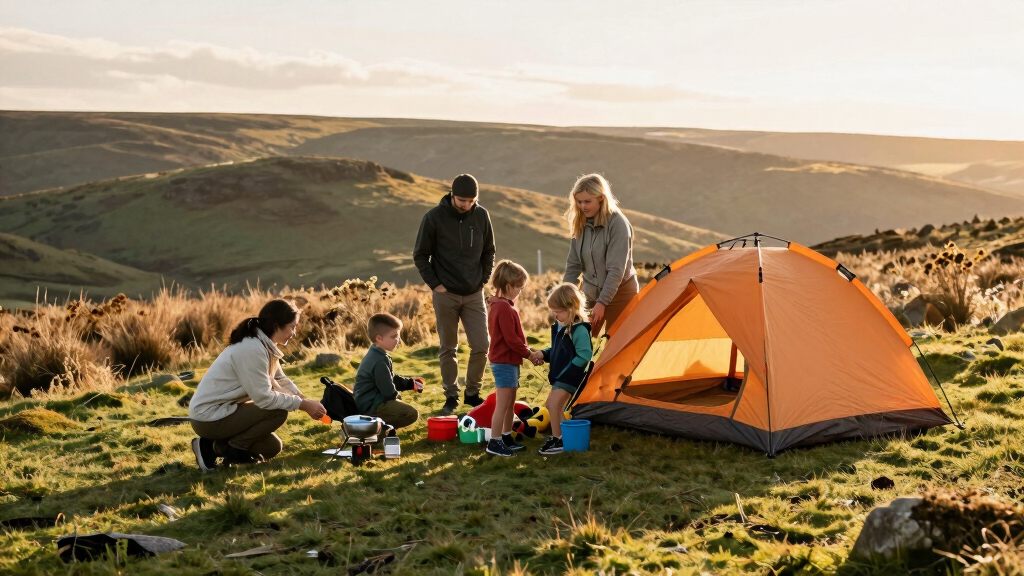
Following their stay at the Beeches, they camped at Lockerbrook Farm, a hill farm managed as an outdoor education centre, where they faced rain and equipment issues but still enjoyed outdoor activities like wild swimming and exploring the surrounding moorlands. Despite weather setbacks, the family found joy in simple pleasures such as river swimming, campfire stories, and local community visits.
Why It Matters
This story illustrates how families can engage in meaningful outdoor experiences outside traditional commercial campsites, emphasizing community-run spaces and the natural environment. It also highlights the growing interest in affordable, sustainable outdoor adventures that foster family bonding and ecological awareness, especially when mainstream options are unavailable.
Products Worth Considering

GoPro HERO8 Black Waterproof Action Camera

GoPro HERO12 Black Waterproof Action Camera with 5.3K60 Video and 27MP Photos

DJI Osmo Action 5 Pro Essential Combo Waterproof 4K Action Camera
As an affiliate, we earn on qualifying purchases.
Background
With many campsites and holiday rentals fully booked during the early May bank holiday, families are increasingly seeking alternative outdoor options. The Peak District, known for its scenic landscapes and outdoor activities, has seen a rise in community-led accommodations like the Beeches and Lockerbrook Farm, which offer more flexible and affordable options for families wanting to connect with nature.
“Next time, we’ll bring a waterproof blanket, test the stove beforehand, and be better prepared for wild camping.”
— Coco Lane Neal
“Our space is designed for community and ecological regeneration, welcoming families and groups seeking meaningful outdoor stays.”
— Vanessa, host at the Beeches
What Remains Unclear
It remains unclear how widespread this type of spontaneous, community-based family camping will become or how many families will pursue similar adventures in the future. Additionally, the long-term availability of these alternative accommodations during peak times is still uncertain.
What’s Next
Next steps include potential further trips to the Peak District, with families possibly planning more spontaneous or pre-arranged stays at community-run sites. Local providers may also expand offerings to accommodate increasing demand for affordable, nature-based family holidays.
Key Questions
Are community-run accommodations suitable for families with young children?
Yes, many such sites, including the Beeches and Lockerbrook Farm, are family-friendly, offering cabins and outdoor spaces suitable for children, with safety and comfort as priorities.
What should families prepare for when attempting a wild or semi-wild camping experience?
Families should bring appropriate gear such as waterproof clothing, suitable sleeping arrangements, and cooking equipment. Planning for unpredictable weather and having contingency plans are also advisable.
Is this type of camping more affordable than traditional campsites?
Generally, yes. Community-run accommodations and wild camping options tend to be more cost-effective, especially when mainstream booking sites are fully booked or expensive during peak periods.
What are the environmental benefits of choosing community-led or wild camping options?
These options often promote low-impact tourism, support local communities, and encourage sustainable interaction with natural environments, reducing the footprint associated with commercial tourism.
Source: Guardian Life