
TL;DR

Get travel and outdoor gear delivered free with Prime
- Fast, free delivery on millions of items
- Prime Video, Amazon Music and more included
- Member-only deals all year
A durable travel backpack lasts 5-10 years, made of high-denier fabrics like ballistic nylon, with reinforced stitching and quality zippers. Balance weight and durability, and choose features that match your travel style.
Imagine hauling your backpack through airport terminals, rocky trails, and rainy streets. The real question is: will it hold up? Durable travel backpacks aren’t just about toughness—they’re about peace of mind. Knowing your gear can survive years of use means fewer replacements and more adventures.
In this guide, you’ll learn what makes a backpack truly durable, how to pick the right one for your needs, and simple tips to keep it in top shape. Think of it as your armor for travel—strong, reliable, ready for anything.
Choose high-denier nylon or ripstop fabrics for maximum durability.
Look for reinforced stitching and YKK zippers to prevent failures.
Balance weight and durability—lighter isn’t always better if it compromises strength.
Maintain your backpack regularly with cleaning and minor repairs.
Invest in a reputable brand for longer-lasting travel gear.
What Materials Make a Backpack Last a Decade? Think Tough Fabrics
The secret to a long-lasting backpack starts with materials. High-denier nylon, ballistic fabrics, and ripstop polyester are the gold standards. These fabrics resist tears, abrasions, and even some water.
For example, Osprey’s Farpoint 40 uses durable nylon that can handle rough baggage handlers. You’ll want to look for fabrics with at least 600 denier for heavy-duty use.
If you’re caught in a downpour, a water-resistant coating keeps your belongings dry. Some backpacks even use waterproof fabrics, but remember—they’re usually heavier.
Choosing the right fabric is a tradeoff between weight and durability. Heavier fabrics like 900 denier offer superior toughness but can add bulk, which might be uncomfortable for long carries. Lighter fabrics reduce weight but may wear out faster under constant stress. Consider your travel style: if you’re rough on gear or traveling in harsh environments, prioritize durability over weight savings.
durable travel backpack high denier nylon
As an affiliate, we earn on qualifying purchases.
As an affiliate, we earn on qualifying purchases.
How to Spot Reinforced Stitching and Zippers That Won’t Fail You
- Check the stress points—shoulder straps, zippers, and handle attachments. Reinforced stitching here is a must because these are the areas most prone to tearing under load or repeated use.
- Look for double or triple stitches. These stitches distribute stress more evenly, reducing the chance of seam failure. For example, brands like North Face and Arc’teryx often use these techniques at critical points, which significantly enhances longevity.
- Test the zippers—YKK zippers are industry gold. They slide smoothly and resist breaking even after years of use. A zipper that catches or feels flimsy can cause delays and damage, so inspecting and choosing quality zippers is essential.
Imagine pulling a zipper at an airport security line—if it sticks or feels flimsy, it’s a warning sign. A well-made zipper is like a reliable handshake—firm and smooth. Investing in quality hardware means fewer frustrations and repairs down the line, which is vital when you’re far from home and depend on your gear.
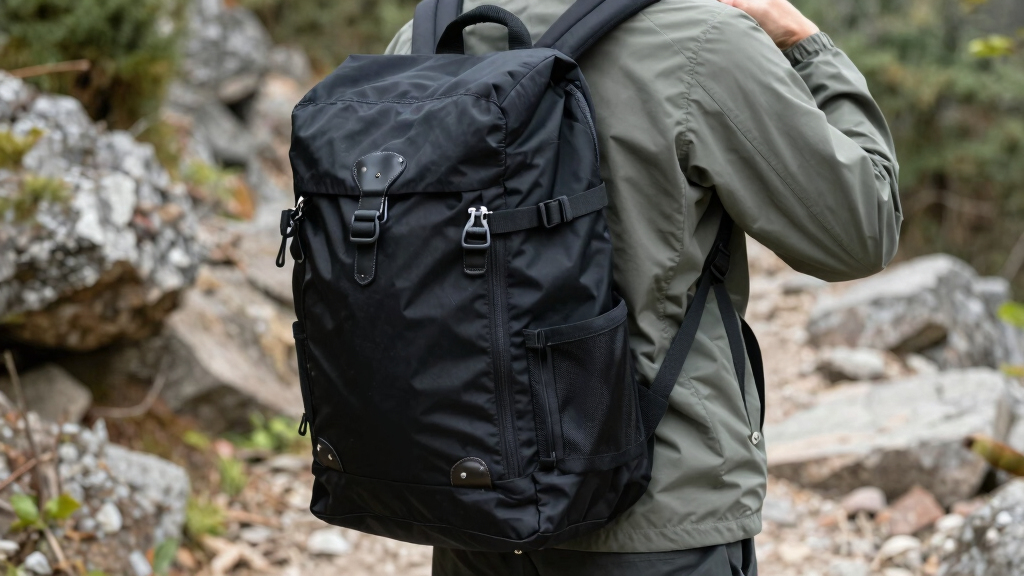
water-resistant hiking backpack with reinforced stitching
As an affiliate, we earn on qualifying purchases.
As an affiliate, we earn on qualifying purchases.
Compare the Best Durable Travel Backpack Brands Side-by-Side
| Brand | Material Quality | Features | Price Range |
|---|---|---|---|
| Osprey | High-denier nylon, ripstop | Ventilated back panel, lockable zippers | $120-$250 |
| Patagonia | Recycled nylon, weatherproof | Eco-friendly, ergonomic straps | $150-$300 |
| North Face | Ballistic nylon, reinforced stitching | Multiple compartments, hydration compatible | $100-$200 |
| Arc’teryx | Lightweight, durable composites | Minimalist design, high security | $200-$350 |
As an affiliate, we earn on qualifying purchases.
What Features Make a Backpack Truly Reliable for Travel
- Heavy-duty zippers: YKK or similar brands that won’t break after months of use.
- Water resistance: Protects your gear and extends lifespan.
- Reinforced stress points: Extra stitching at straps, handles, and zippers.
- Comfort features: Padded straps and ventilated back panels reduce fatigue.
- Security options: Lockable zippers and hidden pockets keep your belongings safe.
Picture yourself hiking in the rain—you’ll be glad your backpack has weatherproof fabric and secure zippers. These features matter because they directly impact the lifespan of your gear. For example, water resistance prevents fabric deterioration caused by prolonged exposure to moisture, which can weaken fibers over time. Reinforced stress points reduce the likelihood of tears at high-stress locations, especially when carrying heavy loads frequently. Security features like lockable zippers not only protect your belongings but also prevent accidental damage or wear caused by loose or unsecured closures, ultimately prolonging the life of your backpack.
As an affiliate, we earn on qualifying purchases.
How to Keep Your Backpack Going for Years: Simple Maintenance Tips
- Clean it regularly—use a damp cloth and mild soap for dirt and stains. Regular cleaning prevents dirt buildup that can degrade fabric fibers and weaken stitching over time.
- Check and repair minor tears or loose stitches early. Addressing these issues promptly prevents them from worsening, which could lead to more extensive and costly repairs, or even replacement.
- Lubricate zippers with a bit of silicone spray to keep them sliding smoothly. Well-lubricated zippers are less likely to catch or break, extending their functional lifespan.
- Store in a cool, dry place when not in use. Proper storage prevents mold, mildew, and fabric deterioration caused by excessive humidity or heat.
- Avoid overstuffing—this strains seams and zippers. Overloading can cause premature failure of stitching and hardware, reducing the overall lifespan of your backpack.
Think of your backpack like a trusted friend—regular care, early repairs, and proper storage keep it ready for the next trip. Understanding how daily wear and environmental factors impact your gear helps you make better decisions about maintenance and use.
Why Spending More Usually Means a Backpack Will Last Longer
Expensive backpacks often come with better fabrics, reinforced stitching, and smarter features. For example, a $250 Arc’teryx pack uses lightweight yet ultra-strong materials that outlast cheaper options by years. This means that the initial investment can save you money in the long run by reducing repair costs and frequent replacements.
While a $100 backpack might suffice for occasional trips, frequent travelers find that investing in quality pays off. A well-made, durable pack withstands the rigors of constant use, rough handling, and adverse weather, ultimately providing better value over time. The tradeoff is that higher-cost packs often weigh a bit more and have more features, but these are the compromises that lead to greater longevity and reliability.
Remember: durability isn’t just about price—it’s about understanding the quality of materials and construction, and choosing a brand that aligns with your travel needs and expectations.
Frequently Asked Questions
What materials are best for durability in travel backpacks?
High-denier nylon, ballistic fabrics, and ripstop polyester lead the pack. They resist tears, abrasions, and harsh weather. Brands like Osprey and Arc’teryx often use these materials for their long-lasting backpacks.
How do I choose a backpack that balances durability and weight?
Look for lightweight yet strong materials, like high-strength composites or nylon blends. Prioritize essential features and avoid overly bulky designs. Brands like Patagonia focus on making durable, lightweight packs for everyday travelers.
Are waterproof backpacks more durable than non-waterproof ones?
Not necessarily. Waterproof fabrics protect against water but may be less resistant to tears or abrasion. Waterproof packs are great for wet climates but check for reinforced stitching and quality zippers for overall durability.
What features should I look for in a durable travel backpack?
Prioritize heavy-duty zippers, water resistance, reinforced stress points, comfortable straps, and security features like lockable zippers. These elements combine to make a backpack last through tough conditions.
Can durable backpacks be repaired if damaged?
Yes. Many brands offer repair services or replacement parts. Small tears or loose stitches can often be fixed at home or by a professional, extending your pack’s life significantly.
Conclusion
Your backpack is more than just a bag—it’s your trusted partner on every trip. Picking a durable model means fewer worries and more adventures. Treat it well, and it will serve you for years to come—ready for whatever the road throws at you.
Imagine your next journey, knowing your gear is built to last. That’s the kind of confidence every traveler deserves.
Fall Picks
fall essentials
As an affiliate, we earn on qualifying purchases.