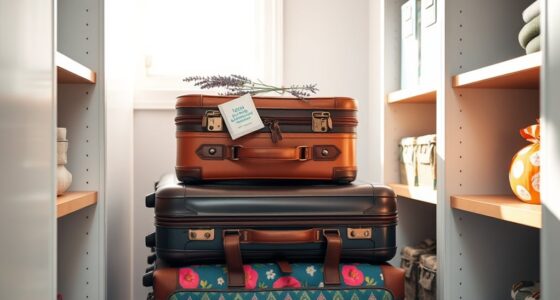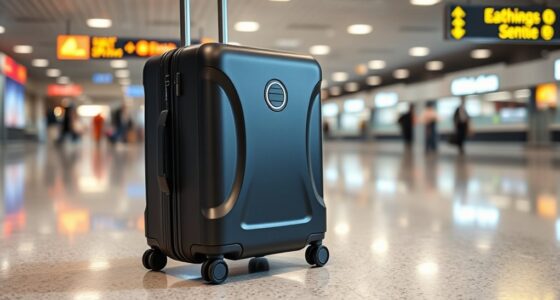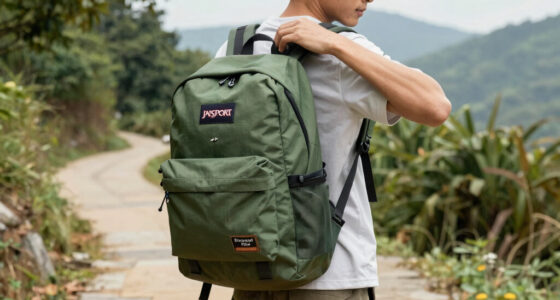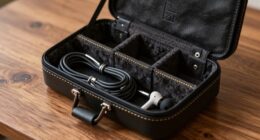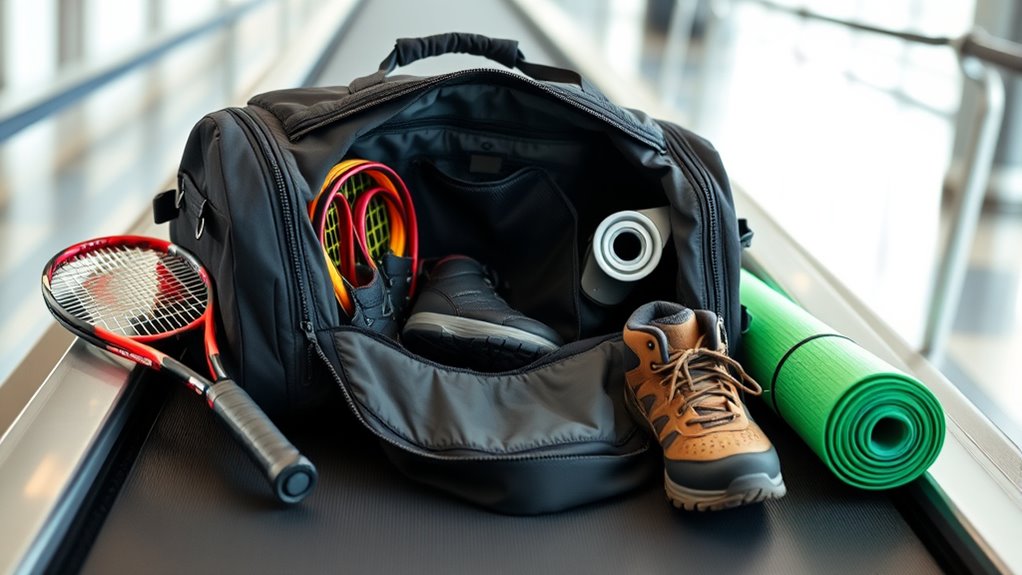
When traveling with sports gear, choosing specialized luggage like hard-shell cases or padded bags helps safeguard your equipment from impact and rough handling. Look for options with reinforced corners, TSA locks, and weather-resistant materials to keep your gear safe and secure. Properly packed and labeled gear minimizes delays and damage. Planning ahead ensures you meet airline policies and avoid extra fees. Keep exploring to discover the best protective solutions for your sports equipment.
Key Takeaways
- Invest in protective cases with reinforced corners and weather-resistant materials for optimal sports gear safety during travel.
- Choose luggage with TSA locks and custom padding to enhance security and prevent damage.
- Verify airline policies on sports equipment size, weight, and fees before packing to avoid surprises.
- Use clearly labeled, padded protective cases and notify airlines in advance for large or fragile gear.
- Plan and pack smartly to ensure proper fit and protection, reducing the risk of damage during transit.
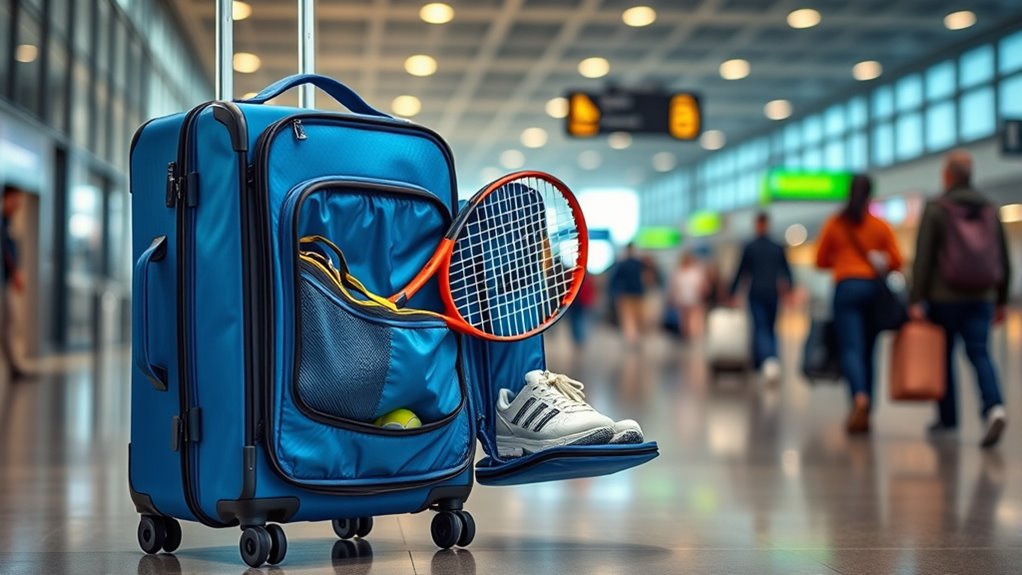
Traveling with sports gear can be challenging, but with proper planning, it becomes much easier. One of the most effective ways to protect your equipment is by investing in protective cases designed specifically for sports gear. These cases are built to withstand rough handling and rougher baggage checks, ensuring your valuable equipment stays intact throughout the journey. Whether you’re carrying a delicate tennis racket, bulky skis, or a fragile golf club, a sturdy protective case gives you peace of mind. Not only do these cases shield your gear from impacts, but they also help keep dirt, moisture, and dust away, which is especially important if you’re traveling to outdoor destinations. When choosing a protective case, look for features like reinforced corners, TSA locks, and durable, weather-resistant materials. They might cost more upfront, but they’re well worth the investment in safeguarding your gear. Additionally, proper packing techniques can further enhance protection and reduce the risk of damage during transit.
However, before you pack your equipment, it’s essential to understand airline policies regarding sports gear. Different airlines have varying rules about how much equipment you can bring, the size and weight limits, and whether you’ll need to pay extra fees. Some airlines treat sports gear as regular checked luggage, while others classify it as oversized or special baggage, which often incurs additional charges. Always double-check your airline’s policies well in advance, since strict adherence can save you from surprises at the airport. Many airlines require that sports equipment be packed in specific ways, such as in a hard case or with certain labeling. If your gear exceeds standard size or weight limits, you might have to pay for oversized baggage or special handling. Being aware of these policies helps you plan your packing more effectively, ensuring your gear arrives safely and without unexpected costs.
When preparing for your trip, make sure to notify the airline ahead of time if you’re traveling with large or fragile equipment. Some airlines recommend reserving space for sports gear in advance, especially during peak seasons. It’s also wise to arrive early on the day of your flight to allow enough time for check-in and to address any questions about your gear. Packing smartly is equally important—use protective cases, add extra padding if needed, and label your equipment clearly. This will prevent unnecessary mishandling and make the entire process smoother. Remember, being informed about airline policies and choosing the right protective cases can make a significant difference in how smoothly your sports gear travels with you. With careful planning, your equipment will arrive safe and ready for action at your destination.
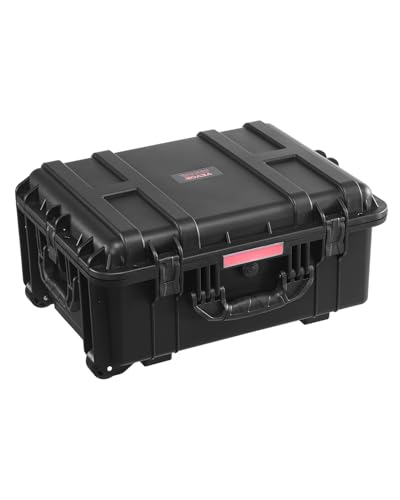
VEVOR Weatherproof Hard Case, Heavy Duty Protective Dry Box with Pre-Cut Foam, Wheels & Retractable Pull Handles for Travel, Hunt, Military, Tactical, IP67 Waterproof Case for Cameras(57x45x28)
All-around Protection: With 2.5-3 cu.ft of storage space and made from professional waterproof materials, this weatherproof hard case…
As an affiliate, we earn on qualifying purchases.
As an affiliate, we earn on qualifying purchases.
Frequently Asked Questions
What Are the Airline Policies on Sports Equipment Size and Weight Limits?
You should check the airline baggage policies for sports equipment regulations, as size and weight limits vary. Most airlines allow sports gear like skis, snowboards, and golf clubs as checked baggage, but they often have specific size and weight restrictions. To avoid surprises, review your airline’s policies before packing. Some airlines charge extra fees for oversized or overweight equipment, so plan accordingly to make certain smooth travel with your sports gear.
How Can I Prevent Damage to Fragile Sports Gear During Transit?
To prevent damage to fragile sports gear during transit, you should use proper packing tips. Wrap your equipment in thick bubble wrap or foam padding, then secure it with packaging materials like tape or zip ties. Place the gear in a sturdy, hard-sided case or a padded bag designed for sports equipment. Always double-check your packaging to make sure everything is snug. This approach helps protect your gear from bumps and rough handling.
Are There Any Additional Fees for Checking Sports Equipment?
Flying with your sports gear can feel like steering a maze. Yes, there are often extra baggage fees and equipment handling costs, depending on your airline’s policies. These charges can vary, so it’s wise to check with your airline beforehand. You might face additional fees for oversized or overweight equipment, but investing in proper packaging can help minimize surprises and keep your gear safe on its journey.
What Are the Best Protective Cases for High-Value Sports Gear?
You should choose hard shell cases for high-value sports gear because they offer superior protection. Look for options with protective padding inside to cushion your equipment from impacts. Brands like SKB, Pelican, and Nanuk provide durable, lightweight hard shell cases designed for maximum safety. These cases often include lockable latches and customizable foam interiors, ensuring your gear stays secure and protected during travel.
How Early Should I Arrive When Traveling With Sports Equipment?
You should arrive at least 2 hours before your flight, especially when traveling with sports equipment—trust me, the lines and security checks can turn into a marathon! Use packing tips to organize your gear efficiently, and don’t forget travel insurance for peace of mind. This way, you avoid last-minute chaos, guarantee your high-value equipment stays safe, and breeze through check-in like a pro.

Fmeida 65L Duffle Bag with Shoes Compartment, Foldable Travel Duffel Bags for Men Women, Large Packable Travel Bag Water Repellent & Tear Resistant (Black)
Large Capacity & Foldable: This foldable duffel bag has a large capacity of 65L and can be fast…
As an affiliate, we earn on qualifying purchases.
As an affiliate, we earn on qualifying purchases.
Conclusion
Traveling with sports gear requires preparation, patience, and the right luggage. By choosing the appropriate options, you protect your equipment, ease your journey, and focus on your performance. With the right gear, you embrace your passion, face new challenges, and chase new victories. Remember, the right luggage isn’t just about storage; it’s about securing your dreams, supporting your goals, and fueling your journey—because every trip is a step toward your next achievement.

adidas Defender 5 Duffel Bag for Sports, Gym and Travel, Black, OSFA
BUILT FOR THE GYM-AND-TRAVEL ROTATION: A roomy main compartment holds a full load — cleats, training apparel, a…
As an affiliate, we earn on qualifying purchases.
As an affiliate, we earn on qualifying purchases.

TSA Approved Cable Luggage Locks, Re-settable Combination with Alloy Body
MOST DURABLE TSA RECOGNIZED AND ACCEPTED TSA LOCK. Forge TSA approved luggage locks are designed from the ground…
As an affiliate, we earn on qualifying purchases.
As an affiliate, we earn on qualifying purchases.