
TL;DR
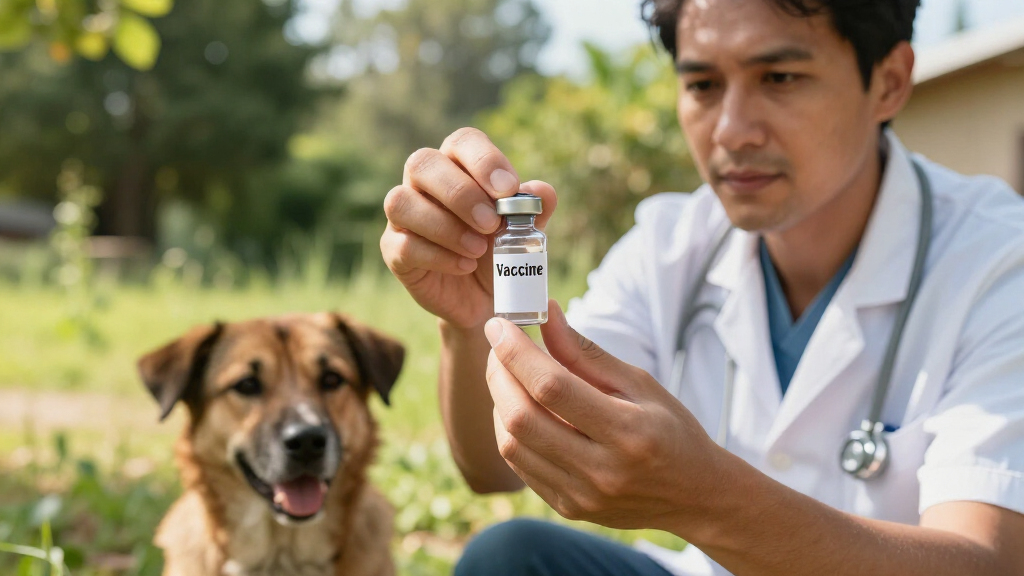
Russia’s veterinary watchdog has confirmed the presence of live pseudorabies virus in a batch of dog vaccine. The batch is linked to multiple animal deaths, prompting safety investigations. The full scope and impact remain under review.
Russia’s veterinary watchdog has confirmed the detection of live pseudorabies virus in a batch of dog vaccine, which has been linked to a series of animal deaths. The discovery raises urgent questions about vaccine safety and regulatory oversight, making it a significant concern for animal health authorities and pet owners alike.
The Russian Federal Service for Veterinary and Phytosanitary Surveillance (Rosselkhoznadzor) announced that laboratory tests identified live pseudorabies virus in one batch of a widely used canine vaccine. The batch in question was distributed across multiple regions before the detection, and reports indicate that animals vaccinated with this batch experienced severe adverse effects, including death in some cases, according to official sources.
Authorities have temporarily suspended the distribution and use of the affected vaccine batch while investigations continue. The vaccine manufacturer has been notified, and authorities are conducting a thorough review of production and quality control processes. The exact number of animals affected and the scope of the distribution are still being determined, but initial reports suggest a notable impact on the local pet population.
Health officials emphasize that the presence of live pseudorabies virus in a vaccine is highly unusual and poses serious risks. Pseudorabies, primarily affecting swine, can cause neurological and respiratory symptoms in other animals, and its presence in a vaccine raises concerns about contamination during manufacturing or packaging processes.
Implications for Vaccine Safety and Animal Health
This discovery underscores potential vulnerabilities in vaccine manufacturing and regulatory oversight within Russia. The presence of live pseudorabies virus in a vaccine intended for dogs could lead to widespread distrust among pet owners and veterinary professionals, and may prompt stricter testing and quality assurance measures globally. It also raises concerns about the risk of zoonotic transmission, although no human cases have been reported to date. The incident could influence international discussions on vaccine safety standards and import/export regulations for veterinary products.
As an affiliate, we earn on qualifying purchases.
Background on Pseudorabies and Vaccine Contamination Risks
Pseudorabies, caused by the pseudorabies virus (PRV), primarily infects pigs but can also affect other mammals, causing severe neurological symptoms and often death. It is typically controlled through vaccination and biosecurity measures in swine populations. The detection of live PRV in a canine vaccine is highly unusual, as vaccines are generally designed to contain inactive or attenuated virus strains.
Historically, vaccine contamination incidents have been rare but impactful, leading to recalls and stricter manufacturing oversight. Russia’s veterinary authorities have previously faced challenges related to vaccine quality control, but this is the first publicly confirmed case of live pseudorabies virus in a dog vaccine batch linked to adverse outcomes.
The incident comes amid heightened global scrutiny of vaccine safety, especially in light of recent concerns about vaccine contamination and quality assurance in both human and veterinary medicine.
canine vaccine quality control test
As an affiliate, we earn on qualifying purchases.
As an affiliate, we earn on qualifying purchases.
Extent of Impact and Future Safety Measures
It is still unclear how widespread the distribution of the contaminated vaccine batch was, and whether other batches may also be affected. The full number of animal deaths linked to this incident has not yet been confirmed, and investigations are ongoing to determine the source of contamination and assess the risk of further spread. No human health risks have been officially reported, but the situation remains under close watch as authorities evaluate potential implications.
veterinary vaccine contamination detection kit
As an affiliate, we earn on qualifying purchases.
As an affiliate, we earn on qualifying purchases.
Ongoing Investigations and Regulatory Responses
Russian authorities are expected to expand testing of vaccine batches and review manufacturing protocols. The vaccine producer has been instructed to cooperate fully with investigations, and possible recalls or bans on similar products are likely. Internationally, regulatory agencies may scrutinize vaccine safety standards more closely, especially for products imported or exported from Russia. Further updates are anticipated as the investigation progresses and more data becomes available.
Key Questions
What is pseudorabies and why is it dangerous?
Pseudorabies is a virus primarily affecting pigs, but it can cause severe neurological symptoms and death in other mammals, including dogs. Its presence in a vaccine raises concerns about contamination and safety.
Has this contamination affected humans?
There are no reports of human infections related to this incident. The current concern is primarily about animal health and vaccine safety.
What actions are Russian authorities taking?
Authorities have suspended the affected vaccine batch, launched investigations into manufacturing processes, and are reviewing other batches for contamination. They may also implement stricter safety protocols.
Could this affect vaccine safety globally?
While the incident is localized to Russia, it may prompt international regulatory bodies to review vaccine safety standards and testing procedures more rigorously.
What should pet owners do now?
Pet owners should consult their veterinarians about the safety of vaccines and monitor for any adverse reactions. They should also stay informed about official updates from veterinary authorities.
Source: rss