
Airport X-ray scanners are designed to be safe for electronics and film, so you don’t need to worry about damage or data loss. They emit controlled ionizing radiation that doesn’t harm your devices or data, and most electronics pass through multiple scans without issues. For film, especially older or undeveloped types, it’s best to request a hand inspection to prevent fogging. Curious to learn more about how these machines protect your belongings?

Get travel and outdoor gear delivered free with Prime
- Fast, free delivery on millions of items
- Prime Video, Amazon Music and more included
- Member-only deals all year
Key Takeaways
- Modern airport X-ray scanners are designed to be safe for electronics, causing no damage or data loss.
- The controlled ionizing radiation emitted does not harm electronic components or devices.
- Routine scans typically do not affect electronic devices, even after multiple passes.
- Traditional photographic film is sensitive to X-ray exposure; request a manual inspection to prevent fogging.
- Overall, airport X-ray scanners are safe for both electronics and film when proper procedures are followed.
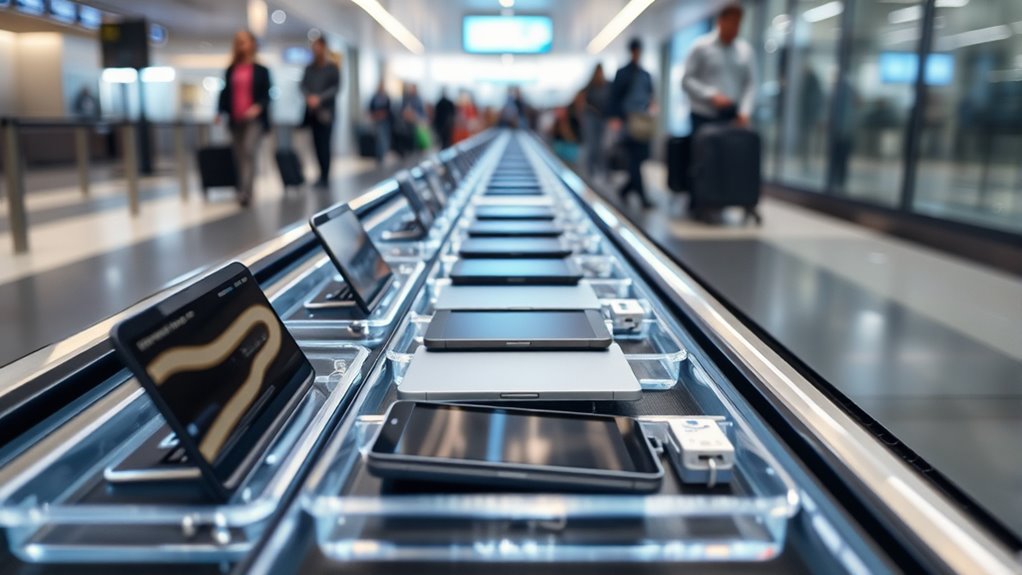
Airport X-ray technology has become a crucial part of security screening, helping authorities quickly identify potential threats. When you go through the security checkpoint, you’re likely to encounter those large, conveyor-belt scanners that reveal the contents of your carry-on luggage. These scanners use X-ray imaging to produce detailed visuals of items inside bags, making it easier for security personnel to spot suspicious objects. But many travelers wonder if these powerful scanners might harm their electronics or film. The good news is that modern airport X-ray machines are designed with safety in mind, minimizing risks to your belongings.
During security screening, electronic interference is a common concern. You might worry that passing your devices through the scanner could damage them or erase data, especially with sensitive electronics like laptops, tablets, or smartphones. The truth is, airport X-ray machines emit a very controlled form of ionizing radiation that’s specifically calibrated to screen luggage without harming electronic components. These scanners are tested regularly and adhere to strict safety standards set by aviation and health authorities. Because of this, most electronics pass through without adverse effects, even after repeated screenings.
Airport X-ray scanners are safe for electronics, causing no damage or data loss during screening processes.
If you’re carrying film, especially traditional photographic film that’s unprocessed, you might be concerned about exposure to X-rays. While these scanners are safe for most modern electronics, film can be more sensitive. The level of radiation in airport scanners is generally too low to cause significant damage, but if you’re carrying undeveloped film, it’s wise to request a hand inspection. This way, you avoid unnecessary exposure to X-ray radiation that might fog the film or compromise its quality. Most security staff are willing to accommodate such requests, especially for professional photographers or film enthusiasts. Additionally, understanding the differences between electronics and film can help you better prepare for security procedures.
In terms of electronic interference, the risks are minimal. Airport X-ray scanners don’t produce the kind of electromagnetic interference that could disrupt your device’s circuitry or data. Instead, they use a form of penetrating radiation to produce images, and this process doesn’t interfere with the functioning of your electronics or erase data stored on them. If you’re worried about your devices, you can always remove batteries or turn off sensitive gadgets before passing through, but generally, this isn’t necessary.
Frequently Asked Questions
Can Airport X-Ray Scanners Damage Lithium-Ion Batteries?
Airport X-ray scanners generally don’t harm lithium-ion batteries because their scanner intensity is too low to affect battery safety. You can safely carry batteries through security, but it’s wise to keep them in your carry-on, not checked luggage, to avoid potential hazards. Modern scanners are designed to prevent damage to electronics and batteries, so there’s little risk of harm during screening. Just make certain your batteries are properly protected and stored.
Do X-Ray Scanners Affect Modern Digital Cameras?
Like a knight in shining armor, your modern digital camera is designed to withstand airport x-ray scanners’ intensity. X-ray intensity is carefully calibrated to prevent damage, and camera shielding further protects sensitive components. You can confidently pass through security with your digital camera, knowing it’s built to handle these scans without harm. Rest assured, your camera’s resilience keeps your memories safe from the unseen rays.
Are Film Photographs Safe Through Airport Security?
You can generally take film photographs through airport security without worries about damage, as most modern scanners use low-intensity radiation that doesn’t harm film. To guarantee photographic protection, consider requesting a hand check, especially for sensitive or high-speed film. Keep your film in a clear plastic bag and clearly label it as “do not x-ray.” This proactive approach helps preserve your film’s quality and keeps your photographs safe.
How Do X-Ray Scanners Impact Sensitive Electronic Devices?
X-ray scanners can cause electronic interference and potential damage to sensitive electronic devices. The X-ray penetration may disrupt or corrupt data in devices like laptops or cameras, especially if they’re exposed to multiple scans. To protect your electronics, consider carrying them through security in a separate bin or requesting a manual inspection. This minimizes exposure, ensuring your devices stay safe and functional after airport security checks.
Are There Alternatives to X-Ray Screening for Fragile Electronics?
You can opt for gentle alternatives like metal detectors and manual inspections when traveling with fragile electronics. These options provide a softer touch compared to X-ray scanners, reducing potential risks. Metal detectors help identify metal components without exposing your devices to radiation, while manual inspections allow security personnel to carefully examine your electronics. By choosing these options, you guarantee your delicate items stay safe and sound throughout the screening process.
Conclusion
Remember, a chain is only as strong as its weakest link. While airport X-ray machines are designed to protect your electronics and film, it’s wise to take extra precautions if you’re concerned about damage. Using shielding or requesting a manual check can give you peace of mind. Ultimately, staying informed and cautious guarantees your tech stays safe, proving that sometimes, a little extra effort can save you from bigger headaches down the line.
Fall Picks
fall essentials
As an affiliate, we earn on qualifying purchases.