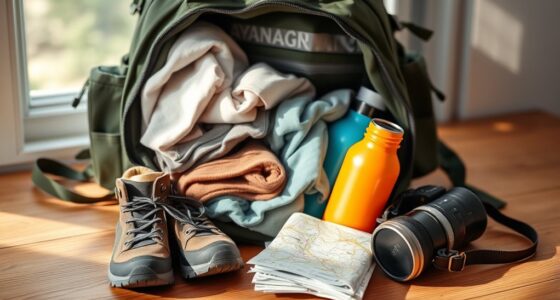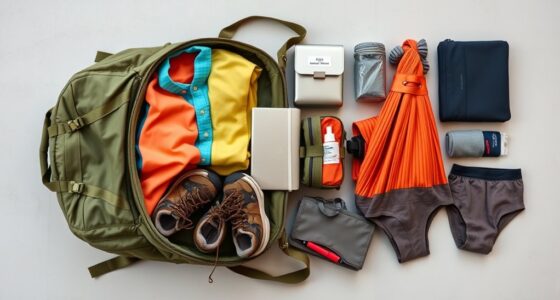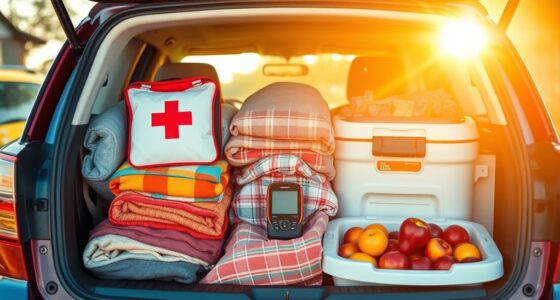
When packing for the desert, focus on gear that keeps you hydrated and protected from the heat. Bring plenty of water and electrolyte drinks, and use hydration bladders or bottles for easy access. Wear lightweight, moisture-wicking clothing, a wide-brimmed hat, UV sunglasses, and high-SPF sunscreen. Cover exposed skin with long sleeves and pants. Additionally, pack a small first aid kit and a portable shade. For a full list of essentials, continue exploring how to stay safe and comfortable in this harsh environment.
Key Takeaways
- Pack lightweight, moisture-wicking clothing, including long sleeves and hats, to protect skin and stay cool.
- Carry ample water and electrolyte drinks, using hydration bladders or multiple bottles for easy access.
- Use UV-protected sunglasses, wide-brimmed hats, and apply high SPF sunscreen regularly to guard against sunburn and UV exposure.
- Include a portable shade, sun umbrella, or breathable scarf to provide relief during breaks from direct sunlight.
- Bring essential safety gear like a GPS, map, and small first aid kit to handle desert hazards effectively.

Traveling to the desert requires careful packing to stay safe and comfortable in harsh conditions. The intense sun, high temperatures, and dry air demand that you prioritize essentials like hydration and sun protection. Without these, you risk dehydration, sunburn, and heat exhaustion. Before heading out, pack plenty of water—more than you think you’ll need—because staying hydrated is your top priority. Consider carrying a hydration bladder or multiple bottles, and keep them within easy reach. Remember, the desert’s dry air accelerates dehydration, so sip regularly, even if you don’t feel thirsty. Along with water, include electrolyte drinks or rehydration salts to replenish lost minerals and help your body retain fluids. Staying properly hydrated guarantees you maintain energy and avoid the dangerous effects of heat-related illnesses.
Sun protection is equally critical. The desert’s sun is relentless, and prolonged exposure can cause serious damage. Wear a wide-brimmed hat or a lightweight, wide-brimmed cap to shield your face and neck. Sunglasses with UV protection are essential to prevent eye strain and damage from the intense rays. Apply a broad-spectrum sunscreen with a high SPF generously on all exposed skin, reapplying every few hours, especially if you’re sweating or wiping your face. Lightweight, long-sleeved shirts and pants made from breathable fabrics help cover your skin while keeping you cool. These garments act as a barrier against the sun’s rays, reducing your risk of burns and heatstroke. Pack a lightweight scarf or buff to protect your neck and face from blowing dust and direct sunlight. Additionally, understanding desert environment hazards can help you better prepare for unexpected challenges during your trip.
In addition to hydration and sun protection, don’t forget other essentials. Lightweight, moisture-wicking clothing keeps sweat away and helps regulate your body temperature. A good pair of sturdy, breathable hiking shoes will protect your feet from rough terrain and hot ground. Consider packing a small first aid kit, including aloe vera or after-sun lotion to soothe any sunburns. A portable shade or sun umbrella can provide a quick refuge from the sun’s harshest rays when taking breaks. Always carry a map, compass, or GPS device, as navigation can be tricky in open desert landscapes. By focusing on these packing essentials—especially ensuring you have enough water and effective sun protection—you set yourself up for a safe and enjoyable desert adventure. Preparedness makes all the difference when facing the extreme conditions of a desert environment.
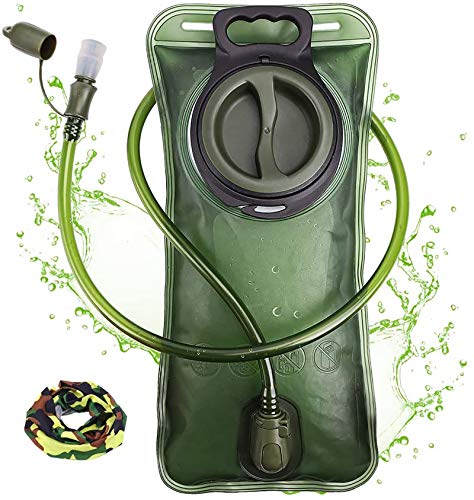
Hydration Bladder, 2L Water Bladder for Hiking Backpack, BPA-Free Leak Proof Water Reservoir Storage Bag, Hydration Pack Replacement for Camping Cycling Running, Military Green
Large opening for easy cleaning: CHERAINTI 2l hydration bladder has one of large opening; and the big opening…
As an affiliate, we earn on qualifying purchases.
As an affiliate, we earn on qualifying purchases.
Frequently Asked Questions
What Are the Best Sun Protection Accessories for Deserts?
When traveling through deserts, you should prioritize UV protective clothing to shield your skin from harmful rays. A wide brim hat offers excellent sun coverage for your face and neck, reducing sunburn risk. Sunglasses with UV protection are also essential to safeguard your eyes. These accessories work together to keep you safe and comfortable under the intense desert sun, making your journey more enjoyable and less risky.
How Can I Prevent Dehydration During Desert Travel?
To prevent dehydration during desert travel, prioritize hydration planning by carrying ample water and using reliable water storage solutions like insulated bottles or hydration packs. Drink regularly, even if you don’t feel thirsty, and avoid caffeine or alcohol. Keep water cool and accessible, and plan your route to include refill points. Staying ahead of dehydration is essential to stay safe and energized in the extreme desert heat.
Are There Specific Footwear Recommendations for Desert Terrain?
Opt for desert footwear that offers durability, breathability, and grip, ensuring you stay comfortable and safe. Terrain-specific shoes with sturdy soles, ankle support, and quick-drying materials are ideal for steering shifting sands, rocky paths, and uneven surfaces. Prioritize lightweight, breathable desert footwear that keeps your feet cool, dry, and protected. By choosing the right terrain-specific shoes, you’ll enhance your mobility and enjoy your desert adventure with confidence.
What Emergency Supplies Should I Carry in the Desert?
You should carry essential emergency supplies like a GPS or compass for desert navigation and a reliable emergency shelter option, such as a lightweight tarp or bivvy. Pack extra water, high-energy snacks, a first aid kit, and a multi-tool. Don’t forget a whistle and a flashlight for signaling. These items help you stay safe, find your way, and protect yourself if you get stranded in the desert.
How Do I Protect Electronics From Extreme Heat?
Imagine your electronics as delicate flowers in a blazing sun. To protect them, always store devices in waterproof cases and use heat-resistant covers, which act like shields against scorching temperatures. Keep electronics in shaded, cool spots whenever possible. Avoid direct sunlight, and consider insulating sleeves or cooling packs for extended exposure. These precautions guarantee your devices stay safe, functional, and ready when you need them most, even in the desert’s relentless heat.

FEIDUSUN Sunglasses Men Polarized Sunglasses for Mens and Womens,Black Retro Sun Glasses Driving Fishing UV Protection
CLASSIC SQUARE FRAME DESIGN: Polarized sunglasses men women are designed with retro square elements and are always favored…
As an affiliate, we earn on qualifying purchases.
As an affiliate, we earn on qualifying purchases.
Conclusion
As you pack your gear for the desert, remember that comfort and protection go hand in hand. Amidst scorching heat, your lightweight clothing and sunshade become your sanctuary, offering relief in the relentless sun. Yet, beneath the blazing sky, the cool desert night whispers a different story—crisp air and quiet shadows. With the right gear, you’re prepared to embrace both extremes, turning the harshest environment into a breathtaking adventure you’ll never forget.

Banana Boat Sport Ultra SPF 100 Sunscreen Spray, 6oz, Sport Sunscreen Spray SPF 100, Banana Boat Sunscreen SPF 100 Spray, High SPF Sunscreen, Water Resistant Sunscreen, 6oz
SUPERIOR ENDURANCE VS. SWEAT & WATER — From family fun to hardcore competition, Banana Boat Sport sunscreen provides…
As an affiliate, we earn on qualifying purchases.
As an affiliate, we earn on qualifying purchases.

Wondershade Ultimate Portable Sun Shade Umbrella – Lightweight Adjustable Outdoor Patio & Beach Umbrella with Tripod Base (Blue)
PROTECT YOURSELF FROM THE SUN: Wondershade portable sun shade umbrella blocks 98% of harmful UV rays to help…
As an affiliate, we earn on qualifying purchases.
As an affiliate, we earn on qualifying purchases.